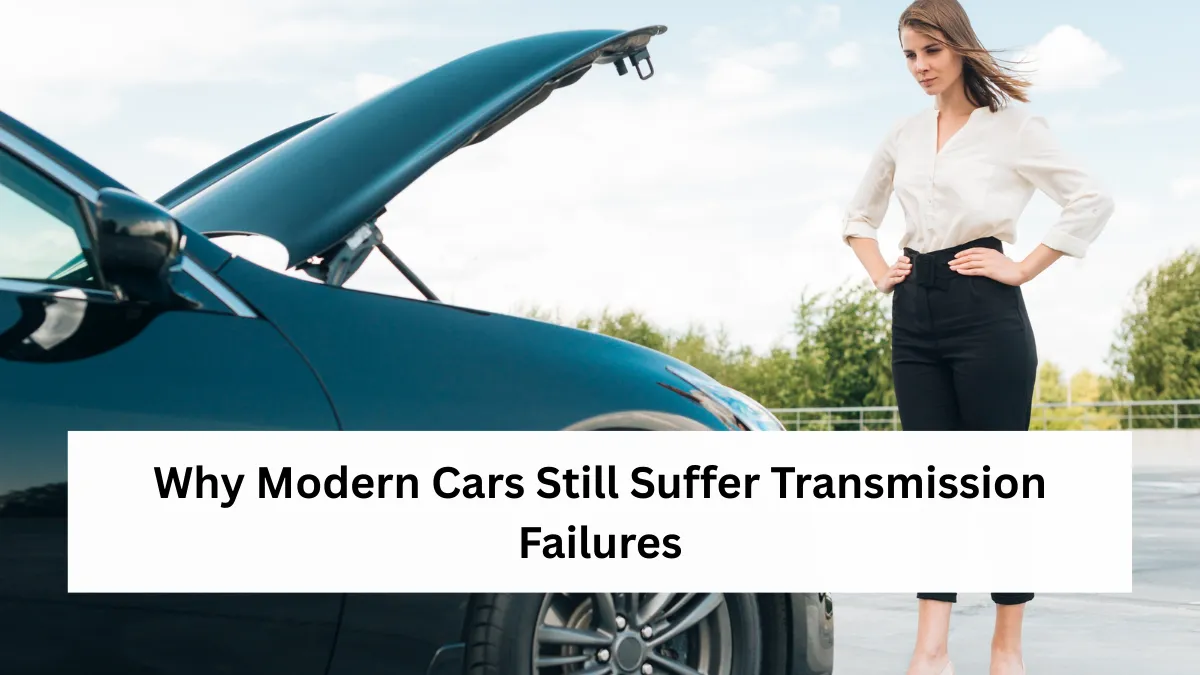
Many drivers in the United States assume that modern cars should be more reliable than older ones. Vehicles today come with advanced electronics, better materials, and decades of engineering improvements. Yet transmission failures remain one of the most common and expensive mechanical problems, even in newer models.
For everyday drivers, a failing transmission can be confusing and frustrating. The car may hesitate, jerk, refuse to shift gears, or suddenly stop moving altogether. This often happens without warning, leaving owners wondering how such a complex system could still fail in modern vehicles. Understanding why this problem exists is the first step toward reducing the risk and responding correctly when signs appear.
This article explains why modern cars still experience transmission failures, what causes them, and what drivers can realistically do to protect their vehicles. The goal is to provide clear, experience-based information that helps U.S. drivers make informed decisions.
What a Transmission Does and Why It Matters
A car’s transmission transfers power from the engine to the wheels. It allows the vehicle to start moving from a stop, accelerate smoothly, and maintain speed efficiently. Whether automatic, manual, or continuously variable, the transmission must manage high heat, constant friction, and precise timing.
Modern transmissions are more complex than older designs. They rely on sensors, computer controls, hydraulic pressure, and software programming. While this improves fuel efficiency and performance, it also increases the number of components that can wear out or malfunction over time.
When a transmission fails, the vehicle often becomes unsafe or unusable. Repairs are usually costly because the system is labor-intensive and highly integrated.
Why Transmission Failures Still Happen
Increased Mechanical Complexity
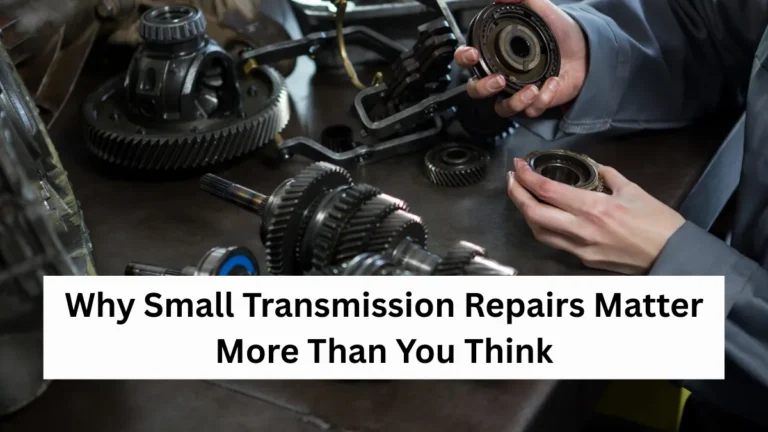
Modern vehicles use advanced transmissions with more gears than ever before. Ten-speed automatics, dual-clutch systems, and continuously variable transmissions are now common. These designs improve fuel economy but add internal parts that must work together perfectly.
Each additional gear, clutch, or valve increases the chance of wear or failure. Older transmissions were simpler and often more forgiving. Newer ones demand tighter tolerances and precise control, which leaves less room for error as components age.
Heat and Fluid Breakdown
Heat is one of the biggest enemies of any transmission. Modern cars often run hotter due to compact engine bays and higher performance demands. Transmission fluid is responsible for cooling, lubrication, and hydraulic pressure, but it breaks down faster under high heat.
Once fluid degrades, it loses its ability to protect internal parts. This leads to increased friction, slipping gears, and internal damage. Many drivers are unaware of this process because modern vehicles often lack transmission temperature gauges or dipsticks.
“Lifetime Fluid” Misconceptions
Many manufacturers describe transmission fluid as “lifetime” fluid. This phrase often misleads drivers into thinking no maintenance is ever required. In reality, “lifetime” usually refers to the expected warranty period, not the actual lifespan of the vehicle.
As miles add up, fluid contamination from metal particles and clutch material becomes unavoidable. Without regular fluid service, internal wear accelerates, even in well-designed transmissions.
Driving Habits and Real-World Use
Modern transmissions are designed and tested under ideal conditions. Real-world driving in the United States often involves heavy traffic, stop-and-go commuting, towing, extreme heat, and long highway trips.
Frequent short trips prevent proper warm-up. Aggressive acceleration strains internal clutches. Towing without proper cooling increases heat beyond safe limits. Over time, these conditions contribute to premature transmission wear.
Software and Sensor Issues
Today’s transmissions rely heavily on electronic control units and sensors. These components manage shift timing, pressure, and torque delivery. When software updates are incomplete or sensors provide inaccurate data, shifting problems can develop.
In some cases, the transmission itself is mechanically sound, but incorrect signals cause harsh shifts or gear hesitation. Diagnosing these problems can be difficult and expensive because symptoms may mimic mechanical failure.
How Transmission Problems Usually Begin
Transmission failure rarely happens all at once. It often starts with subtle changes that are easy to ignore. Drivers may notice delayed shifting when accelerating, mild jerking between gears, or unusual noises. Warning lights may appear briefly and disappear.
These early signs indicate stress within the system. Ignoring them allows minor issues to grow into major damage. Understanding this progression helps drivers act before repairs become severe.
Step-by-Step: How Drivers Can Reduce Transmission Failure Risk
Step One: Learn Your Vehicle’s Maintenance Reality
Start by reviewing your owner’s manual, focusing on transmission service recommendations. Even if the manual mentions “lifetime fluid,” look for severe driving conditions. In the U.S., city driving, extreme temperatures, and highway congestion often qualify as severe use.
Understanding your vehicle’s real maintenance needs helps you plan service before problems appear.
Step Two: Monitor How Your Car Feels While Driving
Pay attention to changes in shifting behavior. Smooth, predictable gear changes are normal. Hesitation, slipping, or sudden jerks are not. These signs often appear long before a complete failure.
Noticing patterns, such as issues only when the car is cold or after long drives, provides valuable clues for early diagnosis.
Step Three: Address Warning Lights Promptly
If a transmission-related warning light appears, do not ignore it. Even if the car still drives, the system may be compensating for a fault. Continuing to drive under these conditions can increase internal damage.
A diagnostic scan can reveal whether the issue is electronic, fluid-related, or mechanical. Early action often limits repair costs.
Step Four: Maintain Transmission Fluid Proactively
Regular transmission fluid service helps remove contaminants and restore cooling and lubrication properties. In many modern cars, this involves professional equipment rather than a simple drain and refill.
Servicing fluid before it breaks down helps preserve seals, clutches, and internal components, especially in high-mileage vehicles.
Step Five: Adjust Driving Habits When Necessary
Avoid aggressive acceleration when the vehicle is cold. Allow the transmission to warm up naturally. When towing, follow manufacturer limits and use proper equipment. In heavy traffic, gentle throttle input reduces unnecessary shifting.
These small adjustments reduce stress and heat, extending transmission life.
Common Mistakes That Lead to Transmission Damage
Many drivers unintentionally contribute to transmission failure. Ignoring minor symptoms is one of the most common mistakes. Another is assuming that modern technology eliminates the need for maintenance.
Using the wrong transmission fluid can also cause damage. Modern systems require specific fluid types designed for precise friction characteristics. Incorrect fluid may cause slipping or harsh shifting.
Delaying repairs due to cost concerns often results in greater expense later. Addressing issues early usually prevents complete failure.
Why Repairs Are So Expensive
Transmission repairs require specialized knowledge, tools, and time. Modern units are tightly integrated with the engine and vehicle electronics. Removing and rebuilding a transmission involves significant labor.
Replacement parts are costly, and software calibration is often required after repairs. This explains why transmission problems remain one of the most expensive vehicle issues for U.S. drivers.
When Replacement Becomes the Only Option
In some cases, internal damage becomes too severe for repair. Burned clutches, warped components, or metal contamination throughout the system may require replacement.
Understanding that this outcome often results from prolonged neglect helps drivers recognize the value of early intervention.
Conclusion: Understanding the Reality of Modern Transmissions
Modern cars offer comfort, efficiency, and advanced technology, but transmission failures remain a real concern. Increased complexity, heat, fluid breakdown, and real-world driving demands all contribute to this ongoing problem.
The good news is that many transmission failures are preventable. Paying attention to how a vehicle behaves, maintaining fluid properly, and responding early to warning signs can significantly reduce risk. While no mechanical system lasts forever, informed drivers are better equipped to extend the life of their vehicles.
FAQ’s
Why do some transmissions fail under 100,000 miles?
Early failures often result from severe driving conditions, overheating, lack of fluid service, or manufacturing defects. While not common, they do occur, especially when early warning signs are ignored.
Are automatic transmissions less reliable than manuals?
Automatic transmissions are more complex and contain more components. This complexity can increase failure risk, but proper maintenance and driving habits play a larger role than transmission type alone.
Can software updates fix transmission problems?
In some cases, yes. If the issue is related to shift programming or sensor calibration, updates can improve performance. Mechanical damage, however, cannot be fixed through software.
Is it safe to drive with minor transmission symptoms?
Driving with mild symptoms may be possible short-term, but it increases the risk of further damage. Prompt inspection is recommended to avoid costly repairs.
✨ You May Also Like ✨