The 1976 Bicentennial Quarter is one of the most easily recognized coins in the United States. It was created to celebrate 200 years of American independence and carries the dual date 1776–1976. While millions were produced and most are still only worth twenty-five cents, a small number can be collectible or even valuable. The difference depends on factors such as mint location, silver content, condition, and possible mint errors. This guide explains in simple language which 1976 Bicentennial quarters are worth keeping, how to identify special features, and what steps to take if you believe you have found a better-than-average example in circulation today.
Why 1976 Bicentennial Quarters Are Collectible
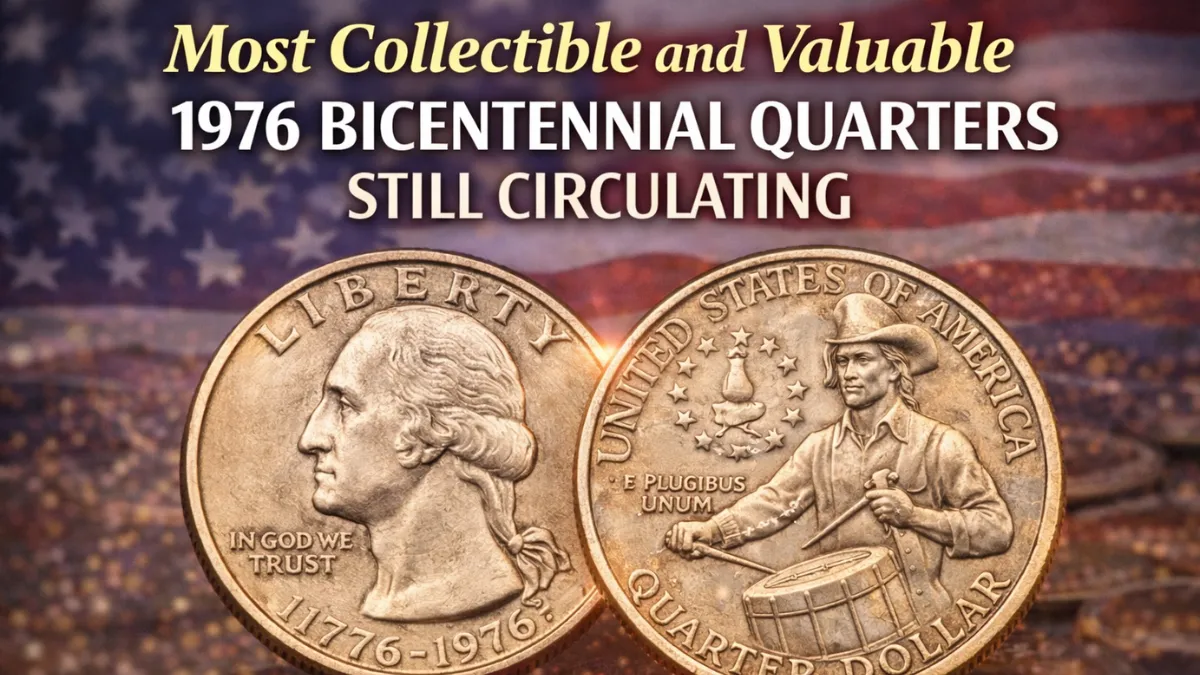
The Bicentennial quarter was issued by the United States Mint to mark America’s 200th anniversary. Unlike regular quarters, it features a colonial drummer on the reverse along with a torch and thirteen stars. This special design makes it stand out from other Washington quarters. Collectors are drawn to it because it represents a historic celebration and has a unique appearance. However, not all Bicentennial quarters are rare. What makes some examples collectible is their mint origin, metal composition, state of preservation, or the presence of minting mistakes. When one or more of these factors is uncommon, the coin may carry a premium above face value in the collectors’ market.
Most Collectible 1976 Bicentennial Quarters Still Circulating
When people search their change for valuable Bicentennial quarters, they are usually looking for specific types that stand out from ordinary circulation pieces. Below are the main categories worth checking.
- 1976-S 40% Silver Quarters
In 1976, the San Francisco Mint produced special collector versions made from 40 percent silver. These coins were mainly sold in special sets, but some have entered circulation over time. Because they contain silver, they have metal value in addition to collector demand. - High-Grade Circulation Examples
Most Bicentennial quarters show wear from use, but sharp and nearly uncirculated coins are harder to find. Strong details on the drummer, drumsticks, and George Washington’s portrait increase appeal. Coins graded Mint State often sell for more than worn pieces. - Mint Errors and Varieties
Error coins are the most exciting finds. Examples include off-center strikes, clipped planchets, broadstrikes, and doubled dies. The more visible and dramatic the error, the higher the potential value. Even small but clear errors can bring strong interest from collectors.
Quick Comparison of Valuable Types
| Type | Why It’s Valuable |
|---|---|
| 40% Silver (S Mint) | Contains silver and collector demand |
| High-Grade Clad | Scarce in near-perfect condition |
| Off-Center Strike | Visible minting mistake |
| Clipped Planchet | Missing metal from rim area |
| Doubled Die | Noticeable design doubling |
This table helps separate ordinary coins from examples that deserve closer inspection.
How to Inspect a 1976 Bicentennial Quarter
Careful inspection is important when checking for value. Use a small 10x magnifier and bright light. First, check the mintmark located near Washington’s portrait. An “S” indicates a San Francisco issue, which may include silver versions. Next, look at the edge of the coin. Silver-clad pieces often show a solid silver-colored edge instead of the typical copper stripe. Examine the drummer design for sharp lines and possible doubling. Inspect the rim for signs of clipping or unusual shapes. Small details can make a big difference in value, so take your time and compare with trusted reference images.
How Collectors Determine Value
The value of a Bicentennial quarter depends on several key elements. Condition is one of the most important factors. Coins with little or no wear generally sell for higher prices. Silver content adds intrinsic value, especially when precious metal prices rise. Error coins are valued based on how clear and dramatic the mistake appears. Below is a general value guide.
| Condition or Type | Typical Value Range |
|---|---|
| Circulated Clad | Face value (25¢) |
| 40% Silver Average | Small premium above face |
| High-Grade Uncirculated | Moderate premium |
| Clear Major Error | Tens to hundreds of dollars |
Always review recent completed auction sales before estimating a coin’s value.
What to Do If You Find a Promising Coin
If you believe you have found a special Bicentennial quarter, avoid cleaning it. Cleaning can damage the surface and lower its value. Hold the coin only by its edges and store it in a soft holder or protective capsule. Take clear photos from different angles, including the edge. Compare your coin with verified examples online. If the coin appears to have silver content or a strong mint error, consider showing it to a reputable dealer or submitting it for professional grading. Proper verification protects both authenticity and potential resale value.
Small Real-World Example
A coin searcher once discovered an off-center Bicentennial quarter in everyday change. After sharing photos with experienced collectors, the coin was confirmed as a genuine mint error. It was later sold at auction for much more than face value. This example shows that while most Bicentennial quarters are common, unusual errors can turn an ordinary coin into a collectible item worth serious attention.
Summary and Practical Tips
Most 1976 Bicentennial quarters remain worth only twenty-five cents. However, collectors should watch for 40 percent silver San Francisco issues, sharp high-grade examples, and visible mint errors. Using a magnifier, checking mintmarks, and examining the coin’s edge are simple but important steps. Keeping coins uncleaned and properly stored preserves value. With patience and careful inspection, everyday pocket change can sometimes produce a surprising find.
✨ You May Also Like ✨