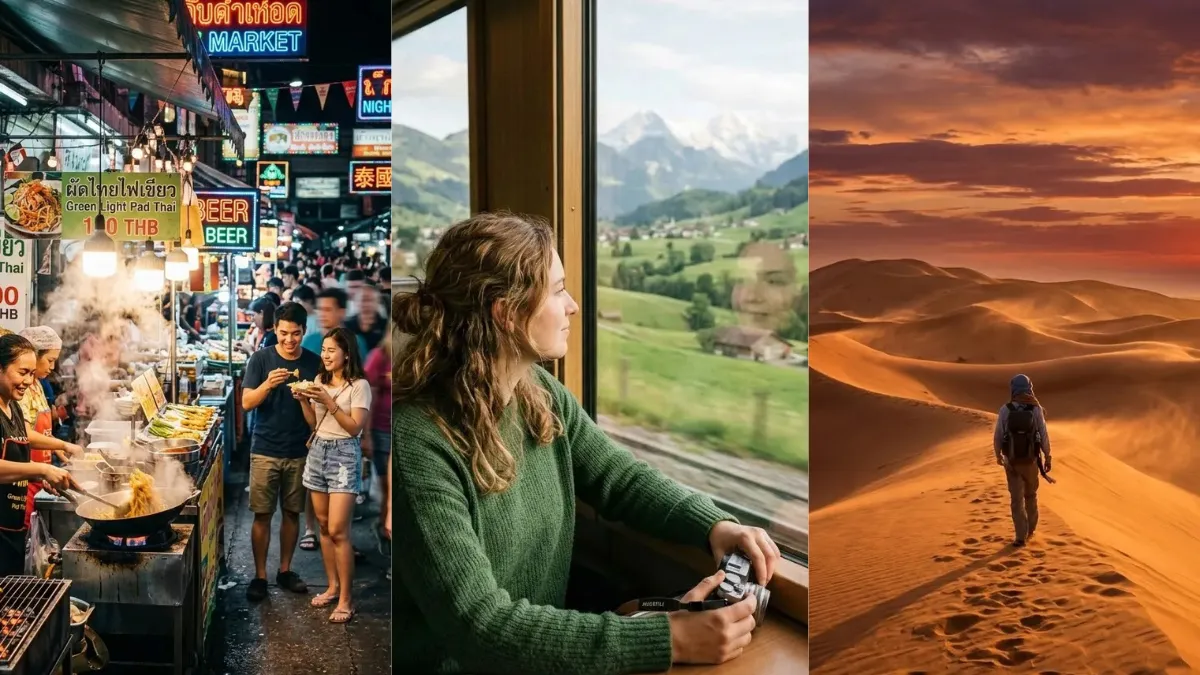
Cinematic travel photography captures more than just destinations; it tells immersive visual stories filled with emotion, atmosphere, and depth. With advanced AI tools like Google Gemini, creators can now generate breathtaking travel visuals that resemble scenes from high-budget films. The key to achieving cinematic quality lies in detailed prompt engineering that includes lighting direction, lens type, weather conditions, environmental mood, and color grading. Instead of basic descriptions like “beautiful beach sunset,” powerful prompts specify camera angles, depth of field, dynamic lighting, and storytelling elements.
Whether you are building a travel blog, Pinterest board, Instagram page, or stock portfolio, mastering cinematic Gemini prompts can dramatically elevate your visuals. This guide presents 10 highly detailed AI prompts designed to create realistic, movie-style travel photography, along with explanations to help you refine and personalize your results for maximum engagement and visual impact.

1. Golden Hour Mountain Landscape
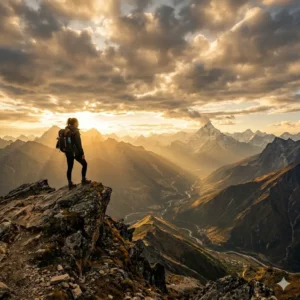
Prompt: Ultra-realistic cinematic travel photo of a lone traveler standing on a mountain peak during golden hour, dramatic sunlight breaking through clouds, 24mm wide-angle lens, expansive landscape view, warm cinematic color grading, high dynamic range, detailed clouds, sharp foreground, atmospheric depth.
Golden hour adds warmth and emotional storytelling to mountain scenes. Including “24mm wide-angle lens” ensures a dramatic landscape perspective, while high dynamic range preserves both sky and foreground details. Adding atmospheric depth creates realistic distance between background mountains and foreground elements.
2. Rainy European Street Scene
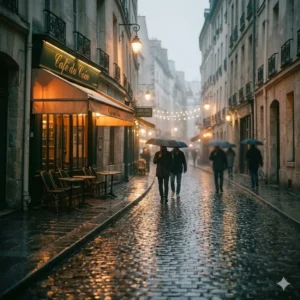
Prompt: Cinematic travel photograph of a narrow cobblestone street in Paris during light rain, glowing café lights reflecting on wet pavement, shallow depth of field, 35mm lens, moody atmosphere, realistic reflections, soft mist in air, film-style color grading.

Rain enhances texture and storytelling. The reflections and mist create layered depth, while specifying lens type and color grading ensures a professional cinematic feel rather than a flat tourist snapshot.
3. Desert Adventure Portrait
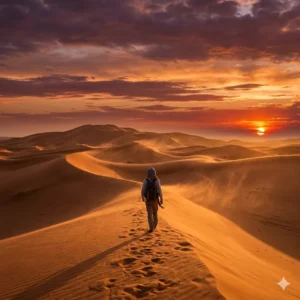
Prompt: Cinematic wide shot of a traveler walking through sand dunes in Sahara Desert at sunset, dramatic sky, wind blowing sand, 50mm lens, warm tones, realistic shadows, epic scale composition, high resolution.
Desert landscapes benefit from scale and motion. Mentioning wind-blown sand introduces dynamic realism. Warm sunset tones add depth and visual richness that mimic epic adventure films.
4. Tropical Beach Sunrise
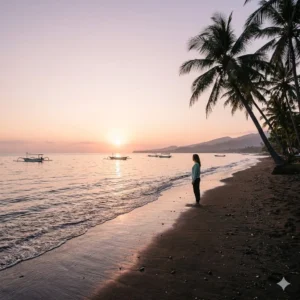
Prompt: Ultra-realistic sunrise travel scene at a tropical beach in Bali, soft pastel sky, gentle waves, palm tree silhouettes, 24mm wide-angle lens, cinematic soft light, natural color grading, detailed water texture, peaceful mood.
Sunrise lighting creates softer contrasts compared to sunset. Including water texture and silhouette details ensures realism. Pastel skies add a dreamy yet believable cinematic effect.
5. Snowy Mountain Cabin
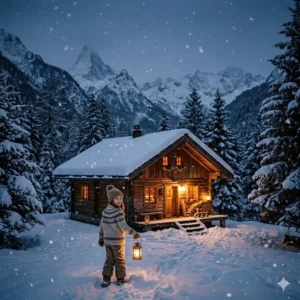
Prompt: Cinematic winter travel photograph of a wooden cabin in Swiss Alps during snowfall, warm light glowing from windows, blue hour lighting, 35mm lens, detailed snow texture, soft falling snowflakes, cozy atmosphere, high dynamic range.

Contrasting warm cabin light with cool blue hour tones creates emotional balance. Snowfall details add texture and movement, making the image feel alive rather than static.
6. Bustling Night Market Scene
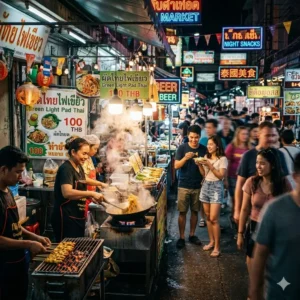
Prompt: Ultra-realistic cinematic night market in Bangkok, colorful neon lights, food stalls steaming, crowd motion blur, 35mm lens, shallow depth of field, vibrant but natural color grading, realistic skin tones, documentary photography style.
Motion blur and steam create sensory depth. Specifying natural color grading prevents oversaturation, which is essential for maintaining realism in vibrant night scenes.
7. Cliffside Ocean View
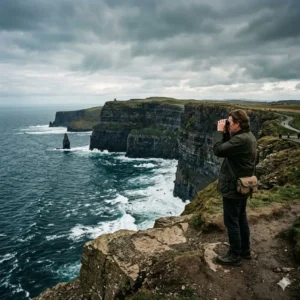
Prompt: Cinematic wide-angle travel shot of dramatic cliffs overlooking the ocean in Cliffs of Moher, overcast sky, waves crashing below, moody lighting, 24mm lens, deep depth of field, realistic water movement, filmic tones.
Overcast skies enhance mood and drama. Including realistic water movement ensures the ocean does not appear flat or artificial. Wide-angle composition emphasizes scale and grandeur.
8. Ancient City Exploration
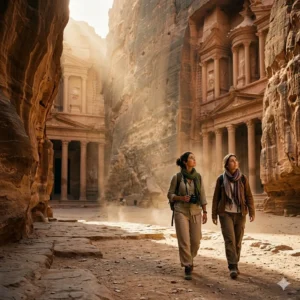
Prompt: Ultra-detailed cinematic travel image of ancient ruins in Petra, early morning light entering through canyon walls, dust particles in air, 35mm lens, warm earthy tones, sharp architectural detail, immersive depth.
Dust particles and directional light add authenticity and cinematic atmosphere. Emphasizing architectural detail preserves the historical richness of the location.
9. Scenic Train Journey
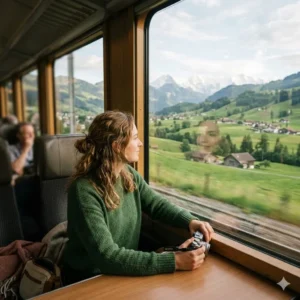
Prompt: Cinematic travel photograph taken from inside a train crossing the countryside in Switzerland, window reflection slightly visible, rolling green hills outside, soft natural light, 50mm lens, shallow depth of field, realistic motion blur.
Window reflections add storytelling perspective. Motion blur outside enhances the feeling of movement and journey, key elements in travel cinematography.
10. Iconic City Skyline at Blue Hour
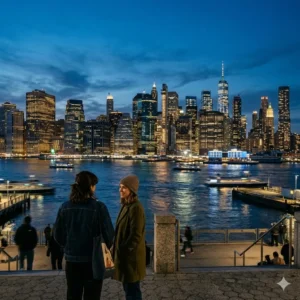
Prompt: Ultra-realistic cinematic skyline shot of New York City during blue hour, city lights reflecting on water, 24mm lens, balanced exposure, high dynamic range, realistic building detail, deep contrast, film-style grading.
Blue hour provides balanced natural and artificial lighting. Reflections on water increase visual symmetry, making skyline shots highly engaging for travel content.
How to Improve Cinematic Results in Gemini
To achieve consistent cinematic travel photography results in Gemini, focus on combining technical photography language with emotional storytelling. Always mention lens type such as 24mm for wide landscapes or 50mm for natural perspective.
Specify lighting conditions like golden hour, blue hour, or soft window light. Include environmental details such as mist, reflections, wind movement, or dust particles to enhance realism. Add phrases like “high dynamic range,” “filmic color grading,” and “sharp foreground with atmospheric depth.” Avoid vague descriptions and instead define camera angle, subject placement, and mood. The more structured and specific your prompt, the more professional and movie-like your AI-generated travel image will appear.
Conclusion
Cinematic travel photography is about capturing atmosphere, emotion, and storytelling rather than simply documenting locations. By using detailed and technically rich prompts in Google Gemini, you can create travel visuals that look like scenes from award-winning films. Whether it is a misty Paris street, a golden mountain peak, a snowy Swiss cabin, or a vibrant Bangkok night market, precision in prompt writing determines realism and impact. Incorporating lighting direction, lens selection, environmental textures, and cinematic grading elevates your results from ordinary to extraordinary.
Experiment with different weather conditions, times of day, and compositional angles to refine your creative style. With practice and strategic prompt engineering, you can consistently generate stunning cinematic travel photography that captivates audiences across blogs, Pinterest, Instagram, and digital portfolios worldwide.
✨ You May Also Like ✨