You are driving at a steady speed when your engine suddenly revs higher, but the car does not accelerate the way it should. Sometimes it feels like the vehicle hesitates, jerks, or momentarily loses power before catching again. This experience, often described as transmission slipping, can be unsettling and confusing, especially if it happens without warning.
Transmission slipping is a common issue for many drivers in the United States, particularly as vehicles age or maintenance gets delayed. While it may start as an occasional problem, ignoring it can lead to more serious damage and higher repair costs. Understanding why it happens and what you can do early on makes a real difference.
This guide explains the causes of sudden transmission slipping in plain language. It walks through the reasons behind the problem, practical steps you can take, and common mistakes to avoid, all from a real-world driving perspective.
Why Sudden Transmission Slipping Happens
A vehicle’s transmission is responsible for transferring power from the engine to the wheels. It uses a combination of fluid pressure, mechanical components, and electronic controls to shift gears smoothly. When something interrupts that process, the transmission may slip out of gear or fail to hold power consistently.
One of the most common reasons is low or degraded transmission fluid. Automatic transmissions rely heavily on fluid to create the hydraulic pressure needed for gear engagement. Over time, fluid can leak, burn, or become contaminated. When that happens, the transmission struggles to maintain grip, especially during acceleration or uphill driving.
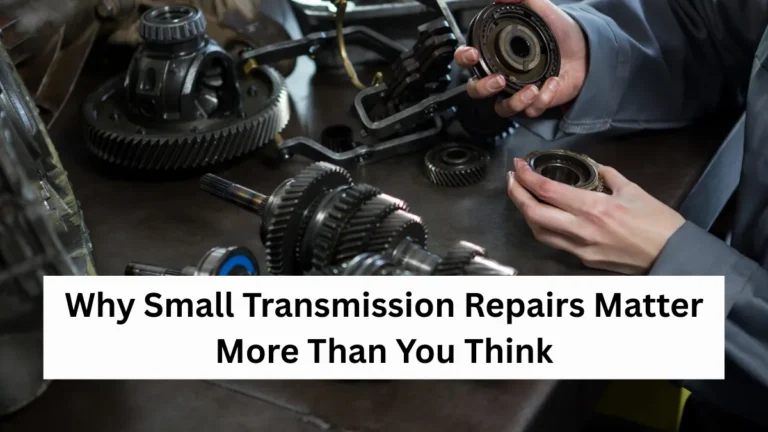
Worn internal components are another frequent cause. Clutches, bands, and gears inside the transmission wear down naturally as miles add up. In many U.S. vehicles, especially those driven long distances or in stop-and-go traffic, these parts experience constant stress. Once they wear beyond a certain point, slipping becomes noticeable.
Electronic control problems can also trigger sudden slipping. Modern vehicles depend on sensors and control modules to determine when and how gears shift. A faulty sensor or software issue can send incorrect signals, causing unexpected gear changes or delayed engagement.
Heat plays a role as well. Transmissions generate heat during normal operation, but excessive heat breaks down fluid faster and damages seals. Long highway drives, towing, or driving in very hot weather can push temperatures beyond safe levels, especially if the cooling system is not working properly.
Early Signs You Should Not Ignore
Transmission slipping rarely starts without warning. Many drivers notice subtle changes before it becomes a major issue. Paying attention to these signs can help you act early.
You may notice delayed acceleration when pressing the gas pedal. The engine revs, but the car feels slow to respond. In other cases, the vehicle may shift gears roughly or unexpectedly while cruising at a steady speed.
Another sign is a burning smell coming from the engine area. This often points to overheated transmission fluid. You might also see a transmission warning light on the dashboard, which should never be ignored.
In some vehicles, slipping feels like a brief loss of power, especially when climbing hills or merging onto highways. These moments can feel unpredictable, making driving stressful and potentially unsafe.
Step-by-Step: What To Do When Transmission Slipping Starts
Step One: Check Transmission Fluid Condition
The first practical step is checking the transmission fluid, if your vehicle allows it. Many older automatic transmissions sold in the U.S. include a dipstick under the hood. With the engine warm and running, you can check the fluid level and color.
Healthy transmission fluid is usually red or pink and smells neutral. If it appears dark, brown, or smells burnt, it may no longer protect the transmission properly. Low fluid levels often indicate a leak, which should be addressed promptly.
If your vehicle has a sealed transmission, a professional inspection is usually required. Many newer models fall into this category, and attempting to open them without proper tools can cause damage.
Step Two: Pay Attention to Driving Conditions
Think about when the slipping occurs. Does it happen mostly during acceleration, highway driving, or when the car is cold? These details help narrow down the cause.
For example, slipping only when the car is cold may point to fluid viscosity issues. Slipping under heavy load, such as towing or climbing hills, often suggests worn internal components or overheating.
Keeping track of these patterns helps a mechanic diagnose the issue faster and more accurately.
Step Three: Reduce Stress on the Transmission
Once slipping begins, driving habits matter. Avoid aggressive acceleration, sudden stops, or towing heavy loads. These actions increase heat and pressure inside the transmission, making the problem worse.
If possible, drive shorter distances and avoid high-speed highways until the issue is addressed. This does not fix the problem, but it can slow further damage while you plan next steps.
Step Four: Get a Professional Diagnosis Early
Transmission systems are complex, and guessing can become expensive. A qualified technician can scan the vehicle’s computer for error codes, test fluid pressure, and inspect mechanical components.
In many cases, early intervention means simpler repairs. Replacing a sensor or correcting a fluid issue is far less costly than rebuilding or replacing an entire transmission.
Common Mechanical Causes Explained Simply
Worn clutch plates are a frequent cause in automatic transmissions. These plates engage and disengage gears using friction. Over time, friction material wears away, reducing grip. When this happens, the transmission may slip, especially under load.
Faulty solenoids are another issue. Solenoids control the flow of transmission fluid. When they stick or fail, fluid pressure becomes inconsistent, leading to delayed or erratic shifts.
Damaged seals and gaskets allow fluid to leak internally or externally. Even small leaks can lower pressure enough to cause slipping, especially during extended drives.
Torque converter problems can also be responsible. The torque converter connects the engine to the transmission and helps manage power flow. When it fails, power transfer becomes inefficient, resulting in slipping sensations.
How Weather and Driving Habits Affect Transmission Slipping
In the United States, driving conditions vary widely. Hot summers in states like Arizona or Texas place extra strain on transmissions, especially in stop-and-go traffic. Heat accelerates fluid breakdown, increasing the risk of slipping.
Cold winters in northern states can cause thickened fluid during startup. Until the fluid warms, gear engagement may feel sluggish or inconsistent. This is why gentle driving during the first few minutes is important.
Urban driving with frequent stops puts more wear on transmission components than steady highway driving. Over time, this pattern contributes to earlier wear and slipping issues.
Common Mistakes Drivers Make
One common mistake is ignoring early symptoms. Many drivers assume occasional slipping is normal in older vehicles. While age plays a role, slipping is not something to accept as harmless.
Another mistake is overfilling transmission fluid. Some people believe adding extra fluid will help. In reality, too much fluid can foam, reducing pressure and making slipping worse.
Delaying inspections due to cost concerns often leads to larger expenses later. Addressing small issues early usually costs far less than major repairs.
Using the wrong type of transmission fluid is another frequent error. Different vehicles require specific fluid formulations. Using the wrong one can cause shifting problems and accelerate wear.
Preventive Habits That Actually Help
Regular maintenance is the most effective way to prevent transmission slipping. Following the manufacturer’s recommended service intervals for fluid changes helps keep internal components protected.
Driving smoothly, especially during acceleration, reduces stress on the transmission. Allowing the car to warm up briefly in cold weather also helps fluid circulate properly.
Keeping the engine cooling system in good condition indirectly protects the transmission. Many vehicles use shared cooling components, so overheating in one system affects the other.
FAQ’s
Can transmission slipping fix itself?
Transmission slipping rarely resolves on its own. While symptoms may temporarily lessen, the underlying cause usually remains. Without attention, the problem often returns and worsens over time.
Is it safe to keep driving with a slipping transmission?
Short trips at low speeds may be possible, but continued driving increases the risk of serious damage. Slipping can lead to sudden loss of power, which may be unsafe in traffic.
How expensive is it to repair transmission slipping?
Costs vary widely depending on the cause. Fluid-related fixes or sensor replacements are relatively affordable. Internal mechanical repairs or replacements are significantly more expensive, which is why early diagnosis matters.
Does manual transmission slipping happen too?
Yes, manual transmissions can slip, usually due to a worn clutch. The symptoms feel different but still involve loss of power transfer between the engine and wheels.
✨ You May Also Like ✨