Many drivers in the United States only think about their transmission when something goes seriously wrong. The car won’t shift, strange noises appear, or warning lights come on. By that point, repairs are often expensive and stressful. What often gets overlooked is that small transmission issues usually show warning signs long before a major failure happens.
Ignoring minor transmission problems is common, especially for busy working professionals, students, or seniors who rely on their vehicle every day. These small issues may seem harmless at first, but they can slowly turn into major mechanical damage. Understanding why small transmission repairs matter can help you protect your vehicle, avoid breakdowns, and extend the life of your car.
This article explains why these problems happen, how to spot them early, and what practical steps you can take before things get worse.
Understanding What the Transmission Does
The transmission is responsible for transferring power from the engine to the wheels. It controls how your vehicle changes gears and maintains the right balance between speed and power. Without a properly working transmission, even a strong engine cannot move a car smoothly.
In everyday driving, the transmission handles frequent gear changes during city traffic, highway cruising, and stop-and-go conditions. Because of this constant workload, small issues can develop naturally over time. Heat, friction, and fluid breakdown all play a role in wear and tear.
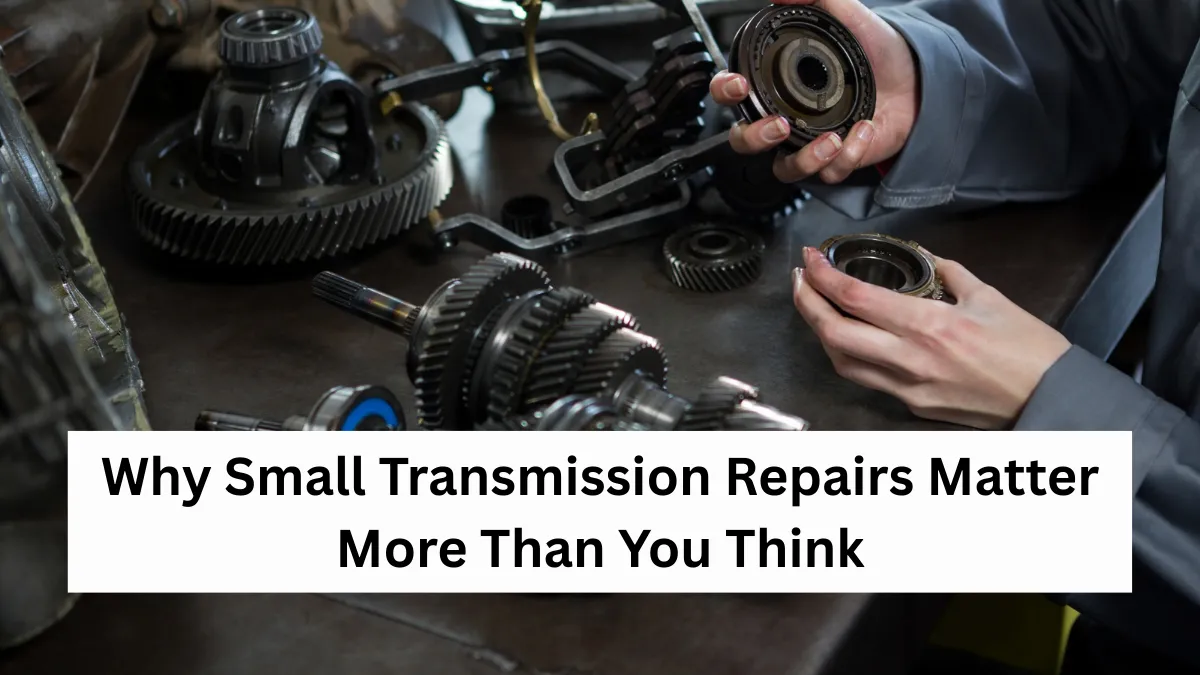
When small transmission problems are ignored, the system continues to work under stress. This often leads to internal damage that could have been prevented with early attention.
Why Small Transmission Problems Start
Normal Wear Over Time
Transmission components wear down gradually, just like brake pads or tires. Seals can harden, fluid can lose effectiveness, and internal parts can loosen slightly. These changes often happen slowly and quietly.
A vehicle driven daily for commuting in cities like Chicago, Atlanta, or Los Angeles experiences frequent shifting. Over time, this constant use can cause small internal issues that may not be immediately noticeable.
Transmission Fluid Issues
Transmission fluid plays a critical role in cooling, lubrication, and hydraulic pressure. When fluid levels drop or the fluid becomes dirty, friction increases. This extra friction causes heat, which can damage seals and internal components.
In many cases, low or degraded fluid is the starting point for larger transmission problems. What begins as a simple fluid issue can eventually affect gears and clutches if left unaddressed.
Delayed Maintenance
Many drivers follow oil change schedules but forget about transmission maintenance. Some vehicles go years without fluid checks or service. This delay allows small problems to grow unnoticed.
In colder states like Minnesota or hotter regions like Arizona, extreme temperatures can accelerate fluid breakdown. Without routine checks, these conditions increase the risk of hidden transmission damage.
Early Warning Signs You Should Not Ignore
Rough or Delayed Shifting
If your car hesitates before shifting gears or shifts roughly, it is often an early sign of a transmission issue. This can feel like a slight jerk or delay when accelerating.
These symptoms may come and go, leading drivers to ignore them. However, they often indicate fluid pressure problems or worn components that need attention.
Unusual Noises
Whining, humming, or grinding sounds during gear changes are not normal. These sounds may be subtle at first, especially at lower speeds.
Noise often means internal parts are not working smoothly. Addressing the issue early can prevent further damage to gears and bearings.
Transmission Fluid Leaks
Transmission fluid leaks are easy to overlook. A small red or brown puddle under the car may not seem urgent, but it is a clear warning sign.
Even a slow leak reduces fluid levels over time. This can lead to overheating and internal wear if not fixed promptly.
Why Small Repairs Make a Big Difference
Preventing Chain Reactions
Transmission systems are interconnected. When one component fails, it often puts stress on others. A small seal leak can lead to low fluid levels, which then cause overheating and gear damage.
Fixing a minor issue early often stops this chain reaction. This approach helps preserve the overall health of the transmission.
Reducing Repair Costs
Small repairs usually cost far less than major transmission work. Replacing a seal or correcting fluid issues is significantly cheaper than rebuilding or replacing a transmission.
For families managing household budgets or seniors on fixed incomes, early repairs help avoid unexpected financial strain.
Improving Vehicle Reliability
A well-maintained transmission provides smoother driving and better fuel efficiency. Addressing small issues helps ensure your car remains reliable for daily use.
This reliability is especially important for commuters who depend on their vehicle for work or school.
Step-by-Step: What to Do When You Notice a Small Transmission Issue
Step One: Pay Attention to Changes
The first step is awareness. Notice how your vehicle normally drives and sounds. When something feels different, even slightly, take note of it.
Drivers who catch changes early often avoid larger problems later. Trusting your instincts can make a real difference.
Step Two: Check Transmission Fluid Condition
If your vehicle allows manual fluid checks, examine the fluid level and color. Healthy transmission fluid is usually red or light brown and does not smell burnt.
Dark, dirty, or low fluid suggests a problem that needs attention. Even if you are unsure, this step provides useful information for a mechanic.
Step Three: Schedule an Inspection Early
An early inspection does not mean committing to major repairs. It allows a professional to identify whether the issue is minor or something more serious.
In many cases, a quick adjustment or fluid service resolves the problem before it escalates.
Step Four: Follow Through on Recommended Minor Repairs
If a mechanic recommends a small repair, addressing it promptly is key. Delaying repairs often leads to additional damage that could have been avoided.
Keeping records of maintenance also helps track recurring issues and supports long-term vehicle care.
Common Mistakes Drivers Make
Ignoring Intermittent Problems
Some transmission issues appear only under certain conditions, such as cold starts or heavy traffic. Drivers may assume the problem fixed itself when it disappears.
Intermittent symptoms usually indicate an underlying issue that will return. Ignoring them increases the risk of sudden failure.
Assuming Newer Cars Are Immune
Many drivers believe newer vehicles do not need transmission attention. While modern cars are more advanced, they are not immune to wear.
Even vehicles with lower mileage can develop issues if maintenance is skipped or driving conditions are demanding.
Waiting for Warning Lights
Transmission problems do not always trigger warning lights right away. By the time a light appears, damage may already be significant.
Relying only on dashboard alerts can delay necessary repairs.
Realistic USA-Based Driving Scenarios
Consider a commuter in Dallas who drives daily in heavy traffic. Frequent stop-and-go driving puts extra strain on the transmission. A minor fluid leak might not seem urgent, but over months, it can lead to overheating.
In rural areas, drivers often tow trailers or carry heavy loads. These conditions increase transmission stress. Addressing small slipping or shifting issues early helps prevent breakdowns far from repair shops.
In snowy regions, cold starts thicken transmission fluid. Small issues during winter may indicate fluid problems that need attention before warmer months arrive.
Long-Term Benefits of Early Transmission Care
Early transmission repairs support overall vehicle longevity. When the transmission works efficiently, other components experience less strain.
Drivers who address small issues often report smoother driving and fewer unexpected repairs. This proactive approach supports safe and consistent transportation.
Maintaining the transmission also helps preserve resale value. A vehicle with documented maintenance is more attractive to future buyers.
Conclusion: Small Actions Protect Big Investments
Transmission problems rarely appear overnight. They usually start small, with subtle signs that are easy to dismiss. Taking these signs seriously can save time, money, and frustration.
Small transmission repairs matter because they prevent chain reactions, reduce long-term costs, and keep vehicles reliable. For everyday drivers across the United States, early attention is a practical and responsible approach to car ownership.
By paying attention, acting early, and following through on minor repairs, you protect one of the most important systems in your vehicle. In the long run, these small actions make a meaningful difference.
FAQ’s
How do I know if a transmission problem is serious?
Serious problems usually involve persistent slipping, loud noises, or difficulty moving the vehicle. However, even mild symptoms deserve attention to prevent escalation.
Is it safe to drive with a minor transmission issue?
Short-term driving may be possible, but continued use can worsen the problem. It is best to have the issue checked as soon as possible.
How often should transmission fluid be checked?
Fluid checks depend on the vehicle, but many drivers benefit from checking it during routine maintenance visits. Regular inspections help catch problems early.
Can small transmission repairs really extend vehicle life?
Yes, addressing minor issues reduces stress on internal components. This often extends the usable life of the transmission and the vehicle as a whole.
✨ You May Also Like ✨