Maintaining your vehicle’s transmission is one of the most important steps to ensuring a long-lasting, smooth-driving car. Yet, many drivers overlook this critical system until a serious problem arises. Transmission repairs can be expensive, sometimes costing thousands of dollars. Fortunately, regular maintenance can prevent costly breakdowns and extend the life of your vehicle. This guide will explain why transmission issues occur, provide practical maintenance tips, and help everyday drivers in the USA keep their vehicles running efficiently.
Understanding Transmission Problems
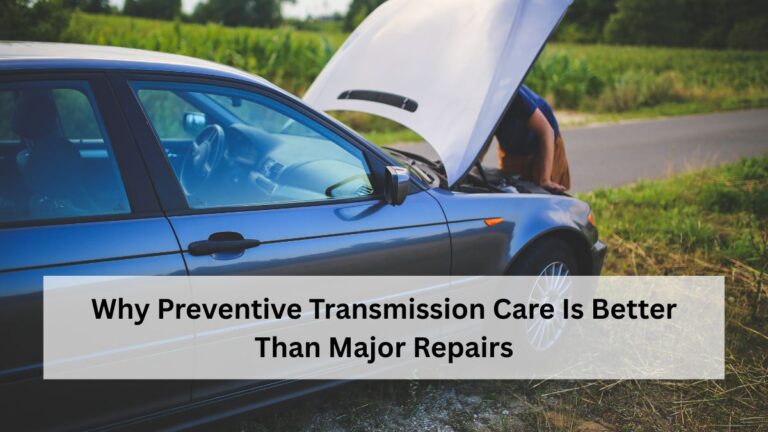
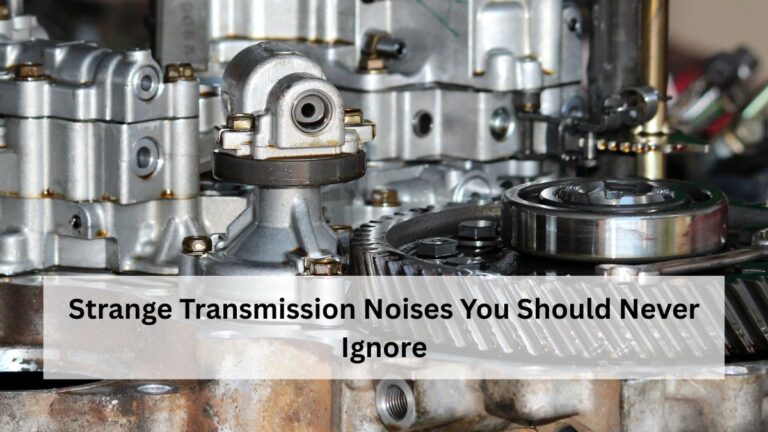
A vehicle’s transmission is responsible for transferring engine power to the wheels, allowing your car to move and change speeds. Because it works under high pressure and temperature, the transmission is prone to wear and tear over time. Common symptoms of transmission problems include delayed gear shifting, unusual noises, burning smells, or fluid leaks. If these signs go ignored, small issues can escalate into major repairs.
Transmission problems often happen for several reasons. One of the primary causes is neglecting regular fluid changes. Transmission fluid lubricates moving parts, reduces friction, and helps regulate temperature. When fluid becomes dirty or low, it can cause parts to grind and overheat. Another common issue is aggressive driving habits, like sudden acceleration or towing heavy loads without adjusting driving techniques. Additionally, failing to address minor leaks or ignoring warning lights can compound damage, eventually leading to complete transmission failure. Understanding these causes is the first step in preventing costly repairs.
Step-by-Step Transmission Maintenance Tips
Maintaining your transmission doesn’t have to be complicated. By following simple, practical steps, you can protect this critical component and save significant money in the long run.
1. Regularly Check Transmission Fluid
Transmission fluid is the lifeblood of your vehicle’s transmission system. Check your owner’s manual to locate the transmission dipstick and ensure your vehicle is on a level surface with the engine warm. Pull the dipstick, wipe it clean, then reinsert it and check the fluid level. Proper fluid should be clear, red, and free of debris. If it smells burnt or appears dark, it’s time for a fluid change. Regularly checking fluid levels helps prevent overheating and internal damage, reducing the likelihood of expensive repairs.
2. Follow Recommended Fluid Change Intervals
While every vehicle is different, most manufacturers recommend changing automatic transmission fluid every 30,000 to 60,000 miles. For manual transmissions, fluid changes are often required less frequently but should still follow the manufacturer’s schedule. Even if your car seems fine, old fluid loses its lubricating and cooling properties over time. Replacing it prevents friction-related wear, keeping the transmission running smoothly and avoiding costly component replacement.
3. Address Leaks Immediately
Transmission fluid leaks are more common than many drivers realize. Signs of a leak include red fluid on your driveway, puddles under your car, or a low fluid warning light. Ignoring leaks can cause serious damage, as transmissions require consistent fluid levels to operate correctly. If you notice a leak, take your vehicle to a trusted mechanic promptly. Small leaks are often inexpensive to repair, while prolonged neglect can result in complete transmission failure.
4. Avoid Aggressive Driving
How you drive has a direct impact on transmission health. Aggressive driving, including sudden acceleration, rapid gear changes, and frequent towing beyond your vehicle’s capacity, can strain the transmission. Over time, this leads to overheating and premature wear. Practice smooth driving habits, maintain a steady speed, and avoid unnecessary stress on your vehicle. Over time, this simple adjustment can significantly reduce the likelihood of costly repairs.
5. Use the Correct Transmission Fluid
Not all transmission fluids are the same. Using the wrong type can damage seals, clutches, and other internal components. Check your owner’s manual for the recommended fluid type and specifications. When in doubt, consult a professional mechanic. Using the correct fluid ensures optimal lubrication, cooling, and overall transmission performance.
6. Inspect and Maintain the Cooling System
A transmission’s temperature is closely tied to the engine’s cooling system. If your radiator or cooling fans are not functioning correctly, your transmission can overheat, causing internal damage. Regularly inspect the radiator, coolant levels, and cooling hoses. Flushing the cooling system as recommended by your manufacturer also helps prevent overheating. A properly maintained cooling system protects both the engine and transmission from heat-related failures.
7. Replace the Transmission Filter
Many automatic transmissions include a filter that removes dirt, metal shavings, and debris from the fluid. Over time, the filter can become clogged, restricting fluid flow and increasing wear on the transmission. Replacing the filter according to your vehicle’s maintenance schedule ensures clean fluid circulation and smooth operation. Neglecting the filter may cause erratic shifting and damage expensive internal components.
8. Perform Routine Inspections
A regular visual inspection can detect early signs of transmission problems. Check for leaks, unusual noises, vibrations, or delayed shifting. Pay attention to the feel of your gears and any dashboard warning lights. Detecting issues early allows for minor repairs rather than full replacements, potentially saving thousands of dollars.
9. Avoid Overheating the Transmission
High temperatures are a leading cause of transmission failure. Avoid towing heavy loads in extreme heat without proper equipment, such as a transmission cooler. Similarly, stop-and-go traffic on hot days can increase operating temperatures. Give your vehicle breaks during extended drives, and monitor transmission temperature if your car provides this information.
10. Seek Professional Maintenance When Needed
While basic maintenance can be done at home, some tasks require professional attention. Transmission diagnostics, fluid flushes, and filter replacements performed by certified mechanics ensure thorough care and prevent costly mistakes. Regular visits to a trusted repair shop help maintain warranty coverage and ensure your vehicle operates safely.
Common Mistakes to Avoid
Even with the best intentions, drivers sometimes make errors that harm their transmissions. One frequent mistake is neglecting routine fluid checks. Waiting until a problem arises can lead to severe damage. Another common error is ignoring warning signs, such as slipping gears or strange noises. These symptoms often indicate early-stage problems that are easier and cheaper to fix. Additionally, using incorrect fluid types or overfilling the transmission can be just as damaging as low fluid. Understanding and avoiding these mistakes is crucial for maintaining a healthy transmission.
FAQ’s
How often should I check my transmission fluid?
For most vehicles, checking transmission fluid once a month or every few hundred miles is sufficient. This helps you catch leaks or fluid degradation early.
Can I drive my car if the transmission fluid is low?
It’s not recommended. Driving with low transmission fluid can cause overheating and internal damage, leading to expensive repairs.
What are signs of a failing transmission?
Common indicators include delayed or harsh shifting, unusual noises, slipping gears, burning smells, and fluid leaks. Address these issues promptly.
Does regular maintenance really save money?
Yes. Routine maintenance, including fluid changes and inspections, prevents minor issues from escalating into costly repairs, extending the lifespan of your transmission.
✨ You May Also Like ✨