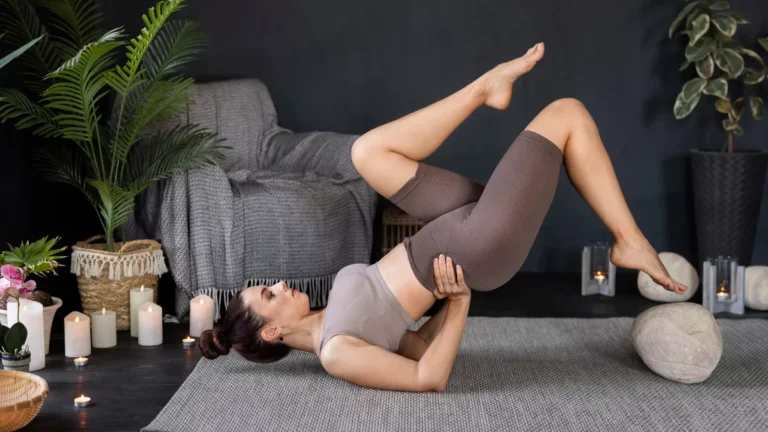
Getting a good night’s sleep is not just a luxury—it’s a cornerstone of health. Yet, millions of people struggle with restless nights, tossing and turning, or waking up feeling unrefreshed. Did you know that simple yoga poses can calm your mind, relax your muscles, and prime your body for deep sleep? Incorporating a few gentle stretches before bed can reduce stress, lower heart rate, and release tension, making it easier to drift into restful slumber. In this article, we explore five yoga poses designed specifically to enhance night-time relaxation and promote better sleep, all backed by simple science and practical tips.
1. Legs-Up-The-Wall Pose (Viparita Karani)
This restorative pose is perfect for unwinding after a long day. By elevating your legs, you encourage blood circulation and relieve tired muscles, especially in the legs and lower back. Lie on your back and extend your legs up against a wall, keeping your arms relaxed at your sides.
Close your eyes and focus on slow, deep breaths. Even 5–10 minutes in this position can reduce stress hormones like cortisol, helping your body transition into a calm state. This pose is particularly helpful for people who spend long hours standing or sitting, as it eases swelling in the feet and ankles.
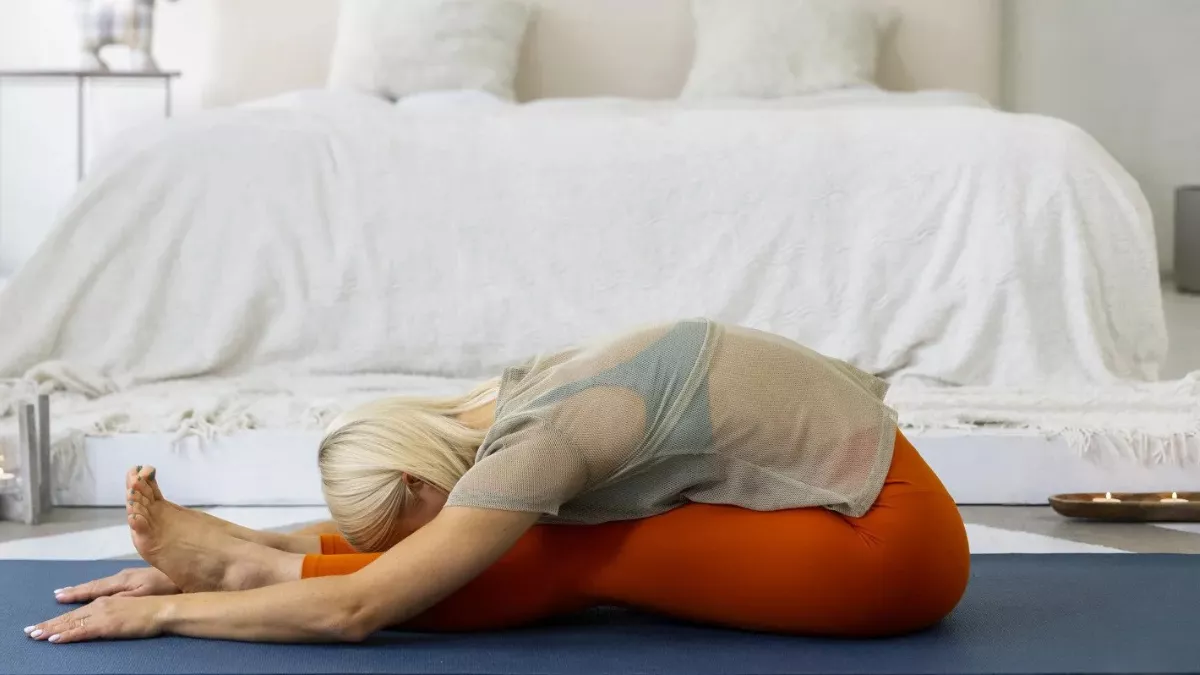
2. Child’s Pose (Balasana)
Child’s Pose is a gentle, grounding posture that stretches the lower back, hips, and thighs while calming the nervous system. Kneel on the floor, bring your big toes together, and sit back on your heels. Fold forward, resting your forehead on the mat, and extend your arms in front or alongside your body. Focus on slow breathing, letting your shoulders relax.
This pose signals the body to switch from a “fight-or-flight” state to a relaxed mode, making it ideal for night-time stress relief. For an added calming effect, place a small pillow under your forehead or a blanket between your thighs and calves for support.
3. Reclining Bound Angle Pose (Supta Baddha Konasana)
Reclining Bound Angle Pose opens the hips, stretches the inner thighs, and promotes deep relaxation. Lie on your back and bring the soles of your feet together, allowing your knees to fall outward. Place your arms comfortably at your sides, palms facing up, and close your eyes. This position encourages deep diaphragmatic breathing, which can lower heart rate and quiet the mind.
Many people find it helpful to practice this pose for 5–15 minutes before bedtime. Adding a folded blanket under the knees can enhance comfort, making it easier to remain in the posture longer for maximum relaxation benefits.
4. Supine Spinal Twist (Supta Matsyendrasana)
Twists are excellent for releasing tension along the spine and soothing the nervous system. Lie on your back with your arms extended to the sides, palms down. Bring one knee up and gently guide it across your body toward the opposite side, keeping your shoulders on the floor. Turn your head in the opposite direction of the twist. Hold for a few deep breaths, then switch sides.
This gentle spinal rotation helps relieve stiffness in the back, hips, and shoulders while encouraging a sense of balance and relaxation—ideal preparation for sleep. It also stimulates digestion, which can be particularly helpful if practiced after a light evening meal.
5. Corpse Pose (Savasana)
Savasana is the ultimate pose for complete relaxation. Lie flat on your back, arms at your sides with palms facing upward, and legs comfortably apart. Close your eyes and focus on releasing tension from every part of your body, starting from the toes and moving up to the head.
Incorporating mindfulness or guided meditation during Savasana can deepen relaxation and help quiet the mind, making it easier to fall asleep. Practicing Savasana for even 5–10 minutes before bed can enhance sleep quality, reduce anxiety, and improve overall mental well-being.
Tips for a Relaxing Yoga Routine Before Bed
- Keep it gentle: Avoid vigorous stretches or standing poses that increase heart rate.
- Set the mood: Dim lights, play soft music, or use aromatherapy with lavender or chamomile.
- Focus on breath: Slow, deep breathing activates the parasympathetic nervous system, signaling your body to relax.
- Consistency matters: Practicing these poses regularly, even for 10–15 minutes, can improve sleep patterns over time.
- Listen to your body: Support with pillows or blankets to avoid strain and maximize comfort.
Last Thought
Integrating these five yoga poses into your nightly routine can be a game-changer for your sleep quality. By calming your mind, stretching your body, and activating relaxation pathways, you’re setting yourself up for restful, restorative sleep. Start small, stay consistent, and notice how your evenings transform into a peaceful, unwinding ritual. Sweet dreams are not far away—sometimes, they begin on your yoga mat.
✨ You May Also Like ✨