Broccoli has long been praised as a super-vegetable—and for good reason. It’s rich in vitamin C, vitamin K, fiber, folate, and powerful plant compounds like sulforaphane that support overall health. For years, steaming has been considered the gold standard for preserving its nutrients. But what if there’s a better way?
Emerging research and culinary science suggest that while steaming is good, it’s not always the best method if your goal is maximum nutrient retention and flavor. The real winner? Quick sautéing and stir-frying with minimal water and short cooking time. In this article, we’ll explore why this method works, how it protects nutrients, and simple, healthy recipes you can try at home.
Why Nutrient Retention Matters
Broccoli contains water-soluble vitamins such as vitamin C and certain B vitamins. These nutrients are sensitive to:
- High heat
- Long cooking times
- Excess water
When vegetables are boiled or over-steamed, nutrients can leach into the cooking water or break down under prolonged heat. The key to preserving nutrients is reducing both cooking time and water exposure.
Broccoli also contains glucosinolates, which convert into sulforaphane—a compound studied for its antioxidant and anti-inflammatory effects. Overcooking can reduce the availability of these beneficial compounds.
The Best Method: Quick Sauté or Stir-Fry
Why It Works
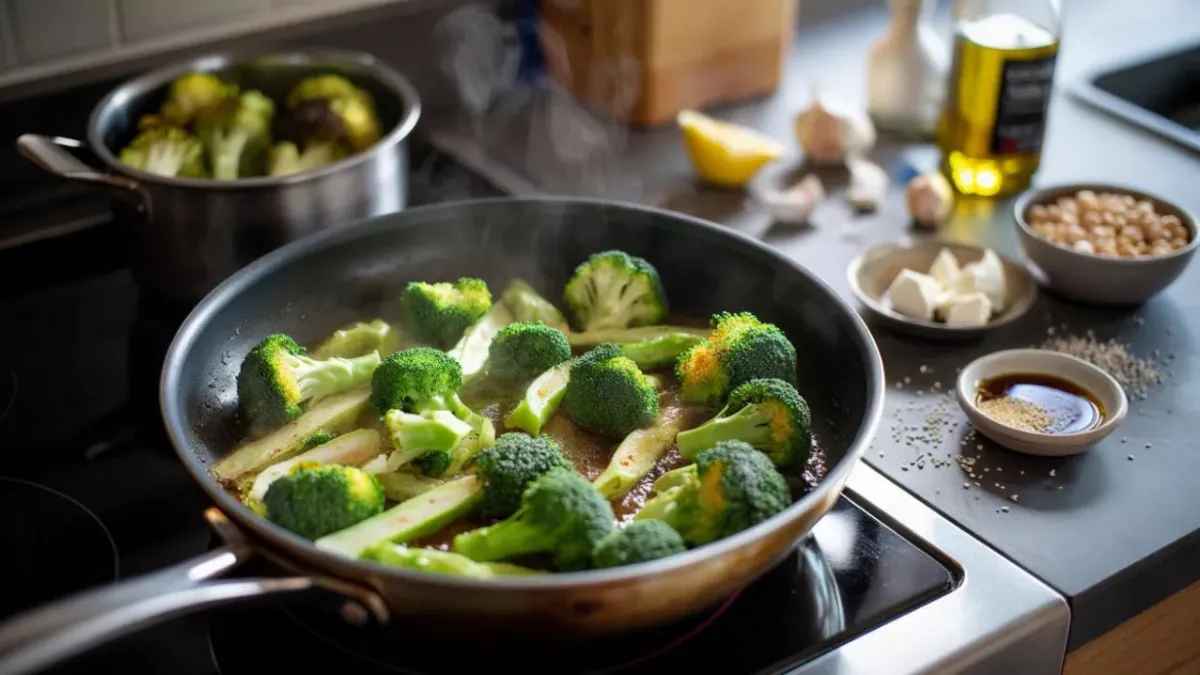
Quick sautéing or stir-frying broccoli in a small amount of healthy oil over medium heat for 3–5 minutes strikes the right balance:
- Minimal water prevents nutrient loss.
- Short cooking time protects heat-sensitive vitamins.
- Light oil helps absorb fat-soluble vitamins like vitamin K.
- High heat enhances flavor without destroying texture.
Unlike steaming, which can sometimes leave broccoli bland or watery, sautéing enhances natural sweetness and gives a slightly crisp texture that many people prefer.
How to Cook Broccoli the Right Way
Follow these simple steps:
1. Cut It Properly
Slice florets evenly so they cook at the same rate. Peel and slice the stems—they’re nutritious too.
2. Use a Wide Pan
A large skillet allows even heat distribution and prevents overcrowding.
3. Add Healthy Fat
Use olive oil or avocado oil. About 1–2 teaspoons is enough.
4. Cook Briefly
Sauté on medium heat for 3–5 minutes. The broccoli should turn bright green and slightly tender but still crisp.
5. Cover for 1 Minute (Optional)
If you want it slightly softer, cover the pan briefly to trap steam without overcooking.
6. Season at the End
Add salt, lemon juice, garlic, or chili flakes after cooking to preserve flavor and nutrients.
The result? Vibrant, nutrient-rich broccoli with better taste and texture.
What About Other Cooking Methods?
Boiling
Boiling causes the highest nutrient loss due to water exposure. It’s not ideal unless you use the cooking water in soups.
Microwaving
Microwaving with minimal water can preserve nutrients well, but texture may vary depending on timing.
Roasting
Roasting enhances flavor but may slightly reduce heat-sensitive nutrients if cooked too long. Keep roasting time moderate (under 20 minutes).
Steaming
Steaming is still a good option, especially for beginners. However, extended steaming (over 7 minutes) can significantly reduce vitamin C levels.
Easy, Nutrient-Preserving Broccoli Recipes
Here are three simple recipes that use quick cooking techniques to maintain nutrients.
1. Garlic Lemon Sautéed Broccoli
Ingredients:
- 2 cups fresh broccoli florets
- 1 tsp olive oil
- 2 cloves garlic, minced
- Juice of half a lemon
- Salt and pepper
Method:
- Heat oil in a skillet.
- Add garlic and cook for 30 seconds.
- Add broccoli and sauté for 4 minutes.
- Remove from heat.
- Add lemon juice, salt, and pepper.
This recipe is rich in antioxidants and supports immune health.
2. Broccoli and Almond Stir-Fry
Ingredients:
- 2 cups broccoli
- 1 tsp avocado oil
- 1 tbsp sliced almonds
- 1 tsp soy sauce (low sodium)
- A pinch of chili flakes
Method:
- Heat oil in a pan.
- Add broccoli and stir-fry for 3–4 minutes.
- Add almonds and cook 1 more minute.
- Remove from heat and add soy sauce and chili flakes.
The almonds provide healthy fats that help absorb fat-soluble nutrients.
3. Quick Broccoli and Egg Scramble
Ingredients:
- 1 cup finely chopped broccoli
- 2 eggs
- 1 tsp olive oil
- Salt and pepper
Method:
- Sauté broccoli for 3 minutes.
- Add beaten eggs.
- Stir gently until cooked.
- Season lightly.
This combination boosts protein and fiber intake in one meal.
Common Mistakes That Destroy Nutrients
Avoid these common errors:
- Overcooking until broccoli turns dull green.
- Using too much water.
- Cooking on very high heat for too long.
- Leaving cut broccoli exposed for hours before cooking.
Bright green color is a good indicator that nutrients are still largely intact.
Final Thoughts: Cook Smarter, Not Longer
Steaming broccoli isn’t wrong—but it’s not always the best method if your goal is optimal nutrient preservation and flavor. Quick sautéing or stir-frying with minimal oil and short cooking time offers a powerful combination of taste, texture, and nutritional value.
By understanding how heat and water affect vitamins and beneficial compounds, you can make informed choices in the kitchen. Small adjustments—like reducing cooking time and limiting water—can make a meaningful difference in the nutrients your body receives.
Healthy eating isn’t just about what you eat; it’s also about how you cook it. With these simple techniques and recipes, you can enjoy broccoli that is not only delicious but also packed with the nutrients your body needs.
✨ You May Also Like ✨