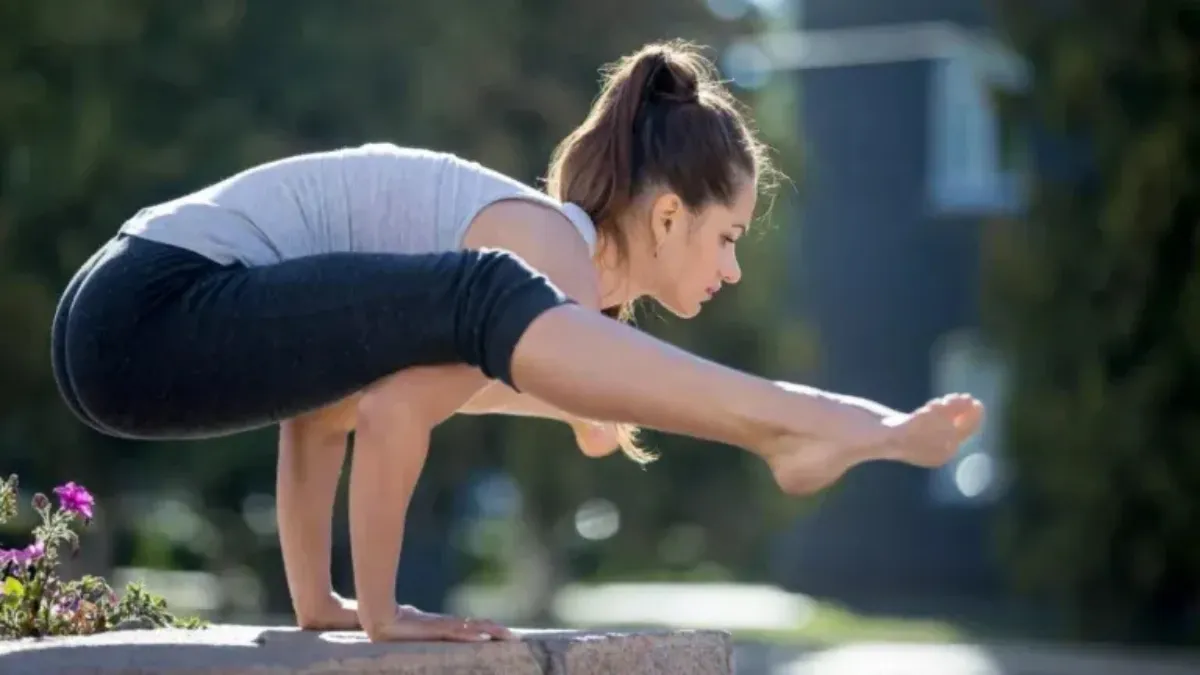
In today’s digital lifestyle, neck pain and poor posture have become extremely common. Many people spend long hours using smartphones, laptops, and computers, often without realizing how much strain they are putting on their neck and upper back. Over time, this can lead to rounded shoulders, forward head posture, stiffness, tension headaches, and even reduced mobility. The human head weighs several kilograms, and when it leans forward even slightly, the pressure on the neck muscles increases significantly. This constant strain can weaken some muscles while tightening others, creating imbalance and discomfort. The good news is that yoga offers a natural and effective way to improve posture and reduce neck pain. By strengthening supportive muscles, stretching tight areas, and increasing body awareness, specific yoga poses can help restore healthy alignment. Below are five carefully selected yoga poses that are beginner-friendly, safe, and highly effective when practiced consistently.
Mountain Pose (Tadasana)
Mountain Pose may look simple, but it is one of the most important poses for correcting posture. It teaches proper body alignment and builds awareness of how you stand. To practice, stand with your feet hip-width apart and distribute your weight evenly across both feet. Engage your thighs gently without locking your knees. Lift your chest slightly while keeping your lower ribs relaxed. Roll your shoulders up, back, and down to open the chest. Keep your chin parallel to the floor and lengthen the back of your neck as if a string is gently pulling the crown of your head upward. Breathe slowly and hold for five to ten breaths. This pose strengthens postural muscles and trains your body to maintain a neutral spine throughout the day.
Cat-Cow Pose (Marjaryasana-Bitilasana)
Cat-Cow Pose is a gentle flowing movement that increases spinal flexibility and releases tension in the neck and upper back. Begin on your hands and knees with wrists under shoulders and knees under hips. As you inhale, drop your belly toward the floor, lift your chest, and gently look forward for Cow Pose. As you exhale, round your spine toward the ceiling, tuck your chin toward your chest, and draw your navel inward for Cat Pose. Move slowly with your breath for eight to ten rounds. This rhythmic motion improves circulation to spinal muscles, reduces stiffness, and helps correct slouching habits. Keep movements controlled and avoid dropping your head too far back to protect your neck.
Cobra Pose (Bhujangasana)
Cobra Pose is excellent for strengthening the upper back muscles that support proper posture. It counteracts the forward rounding caused by long hours of sitting. Lie on your stomach with legs extended and the tops of your feet pressing into the floor. Place your palms under your shoulders with elbows close to your body. As you inhale, gently lift your chest off the ground using your back muscles, keeping elbows slightly bent. Draw your shoulders away from your ears and keep your gaze forward without compressing your neck. Hold for fifteen to twenty seconds while breathing steadily. This pose opens the chest, strengthens spinal extensors, and helps reduce neck strain by encouraging better alignment.
Child’s Pose (Balasana)
Child’s Pose is a restorative posture that gently stretches the spine and relaxes tight neck muscles. Kneel on the mat, sit back on your heels, and fold your torso forward. Extend your arms in front of you or rest them beside your body. Allow your forehead to rest on the mat or on a cushion if needed. Focus on slow, deep breathing for thirty to sixty seconds. This pose reduces tension caused by stress and promotes relaxation of the upper back and shoulders. Because stress often contributes to neck tightness, practicing Child’s Pose regularly can help relieve both physical and mental strain.
Bridge Pose (Setu Bandha Sarvangasana)
Bridge Pose strengthens the glutes, lower back, and upper back while opening the chest and shoulders. Lie on your back with knees bent and feet hip-width apart. Place your arms alongside your body with palms facing down. Press firmly into your feet and lift your hips toward the ceiling. Keep your neck neutral and gaze upward. If comfortable, interlace your fingers beneath your back and gently roll your shoulders under. Hold for twenty to thirty seconds while breathing steadily. This pose helps reverse rounded shoulders and supports spinal alignment, reducing pressure on the neck over time. Avoid turning your head while holding the pose to protect your cervical spine.
How to Practice Safely and Effectively
For best results, practice these poses four to five times per week. Even fifteen to twenty minutes daily can make a noticeable difference within a few weeks. Focus on slow, controlled movements and proper breathing. Never push into sharp or shooting pain. Mild stretching sensation is normal, but discomfort should not feel intense. Combining yoga with ergonomic habits such as adjusting your screen to eye level, taking regular breaks, and using a supportive pillow can significantly enhance results.
Conclusion
Improving posture and reducing neck pain requires consistency, awareness, and balanced muscle engagement. The five yoga poses described above target key muscle groups responsible for maintaining spinal alignment. Mountain Pose builds awareness, Cat-Cow increases mobility, Cobra strengthens the upper back, Child’s Pose relaxes tension, and Bridge Pose supports overall spinal stability. When practiced mindfully and regularly, these poses can help correct forward head posture, reduce muscular strain, and improve daily comfort. Yoga is not about extreme flexibility but about balance, control, and alignment. By dedicating a small amount of time each day to these simple yet powerful movements, you can support long-term spinal health, move more comfortably, and feel more confident in your posture.
✨ You May Also Like ✨