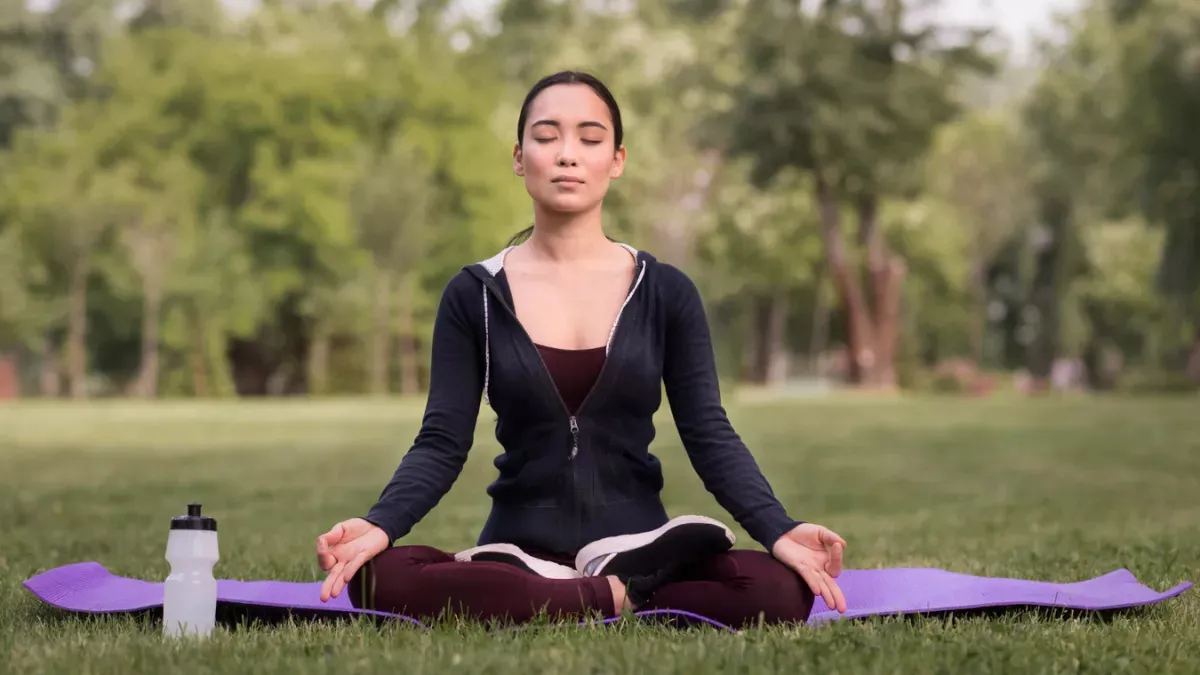
Stress has quietly become part of everyday life. Deadlines, family responsibilities, financial pressure, and constant phone notifications can leave the mind feeling overwhelmed. When stress continues for a long time, it affects sleep, digestion, focus, and emotional balance. The good news is that your body already has a natural relaxation system. Yoga helps activate it through gentle movement, breathing, and awareness. You do not need to be flexible or experienced. Just a few simple poses practiced regularly can calm your mind and help you feel more balanced.
Why Yoga Works for Stress Relief
Yoga supports the nervous system by encouraging slow breathing and mindful movement. When you breathe deeply and move with awareness, your body shifts from “fight or flight” mode into “rest and digest” mode. This lowers muscle tension, slows the heart rate, and helps quiet racing thoughts. Scientific studies have shown that regular yoga practice can reduce cortisol, the body’s main stress hormone. More importantly, yoga teaches you how to respond to stress calmly instead of reacting automatically.
Child’s Pose (Balasana)
Child’s Pose is one of the most comforting and grounding yoga positions. It gently stretches the lower back, hips, and shoulders while promoting deep breathing. When you fold forward and rest your forehead down, your body naturally feels supported and safe. This posture helps release physical tension stored in the back and neck, which are common stress areas. To practice, kneel on the floor, sit back on your heels, and fold forward with your arms stretched ahead or resting by your sides. Stay for one to three minutes, breathing slowly and evenly. If your forehead does not reach the floor, place a cushion underneath for support.
Cat-Cow Pose (Marjaryasana–Bitilasana)
Cat-Cow is a gentle flow that connects movement with breath. Stress often makes the spine stiff and breathing shallow. This pose increases spinal flexibility and improves oxygen flow throughout the body. Begin on your hands and knees. As you inhale, drop your belly and lift your chest and tailbone into Cow Pose. As you exhale, round your spine and tuck your chin into Cat Pose. Move slowly and smoothly for one to two minutes. Focus on steady breathing rather than deep stretching. This simple movement can clear mental fog and refresh your mood.
Legs-Up-the-Wall Pose (Viparita Karani)
Legs-Up-the-Wall is a restorative posture known for deep relaxation. Elevating your legs improves circulation and reduces fatigue, especially after long hours of standing or sitting. It also calms the nervous system and encourages quiet thinking. To practice, sit beside a wall and gently swing your legs upward as you lie down on your back. Keep your arms relaxed by your sides and close your eyes. Stay in this position for five to ten minutes while breathing naturally. If needed, place a folded blanket under your hips for extra comfort. This pose is especially helpful before bedtime.
Seated Forward Bend (Paschimottanasana)
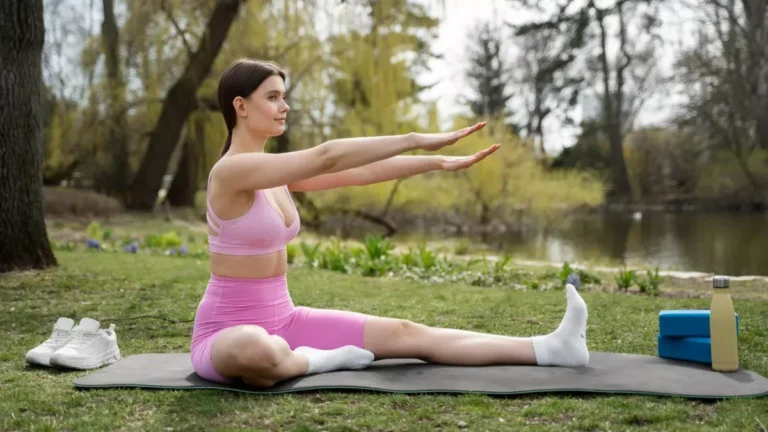
Forward bends are known for their calming effect on the mind. They gently stretch the hamstrings and spine while encouraging inward focus. Sit with your legs extended in front of you. Inhale to lengthen your spine, then exhale as you bend forward from your hips. Hold your shins, ankles, or feet without forcing the stretch. Stay for about one minute, breathing slowly. Slightly bend your knees if your lower back feels tight. This pose helps reduce restlessness and promotes emotional balance.
Corpse Pose (Savasana)
Although it looks simple, Corpse Pose is one of the most powerful relaxation techniques in yoga. It allows the body to absorb the benefits of practice and completely release tension. Lie flat on your back with arms relaxed by your sides and legs slightly apart. Close your eyes and focus on natural breathing. Stay for five to ten minutes. You can mentally scan your body, relaxing each part from head to toe. This final relaxation lowers heart rate, eases muscle tension, and quiets the mind deeply.
Creating a Simple Daily Routine
You can combine these five poses into a short 15-minute routine. Start with two minutes of Cat-Cow to warm up the spine. Move into Child’s Pose for grounding. Practice Seated Forward Bend for gentle stretching. Spend several minutes in Legs-Up-the-Wall for deep relaxation. Finish with Savasana to allow full mental and physical rest. Consistency is more important than intensity. Practicing three to four times a week can make a noticeable difference in stress levels and emotional stability.
Safety and Mindful Practice
Yoga should never cause sharp or intense pain. Move gently and listen to your body. If you have injuries or medical conditions, consider speaking with a qualified instructor or healthcare provider before starting. Use cushions, blankets, or blocks to support your body. Remember, yoga is not about perfection. It is about awareness and balance.
Final Thoughts on Calming the Mind
Stress may be unavoidable, but staying overwhelmed does not have to be your normal state. Yoga offers a simple and natural way to reset your nervous system and build resilience. These five poses are easy to practice at home and require no special equipment. With regular effort, you may notice improved sleep, clearer thinking, and a calmer emotional response to daily challenges. The key is consistency and patience. Even a few mindful minutes each day can help you reconnect with your breath, your body, and your inner calm.
✨ You May Also Like ✨