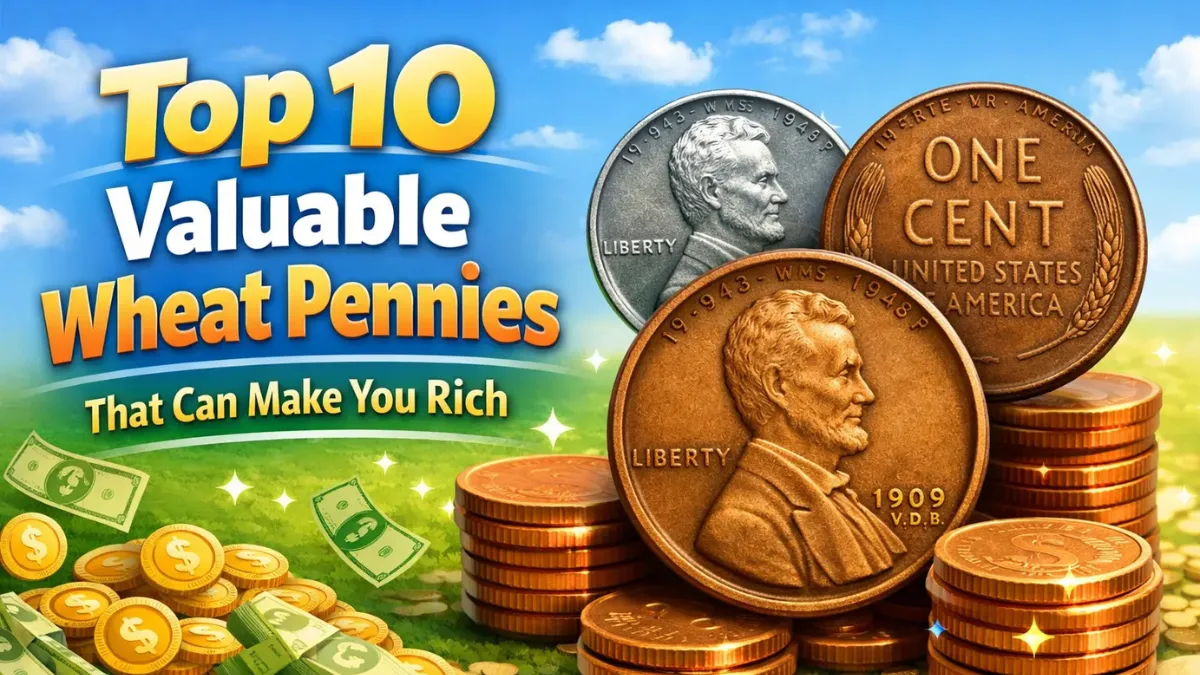
Finding an old coin in a drawer may not seem exciting at first. But what if that small copper penny could be worth thousands—or even more? Wheat Pennies, officially known as Lincoln Wheat Cents, were produced between 1909 and 1958. While most are common, a few rare dates and mint errors have become highly valuable in the coin-collecting world. This article explains which Wheat Pennies are truly valuable, why collectors seek them, and how you can check your own coins carefully and responsibly.
What Makes a Wheat Penny Valuable?
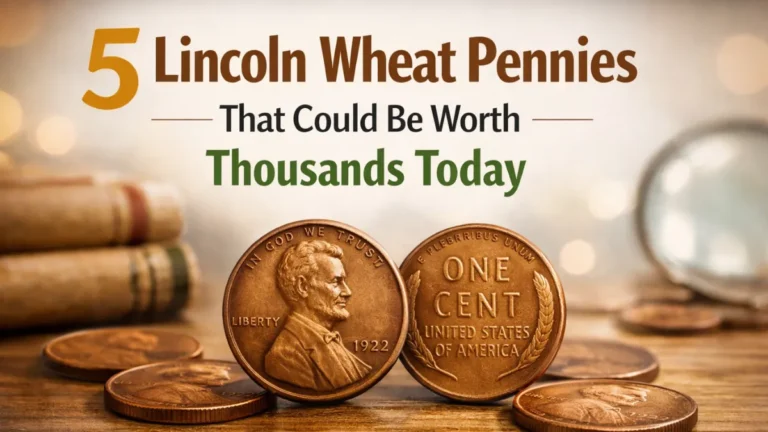
Not every old penny is rare. A Wheat Penny becomes valuable mainly due to low mintage, minting mistakes, historical significance, and condition. Coins that were produced in small numbers or contain noticeable errors are usually the most sought after. Condition also plays a major role. A coin with sharp details and minimal wear is worth much more than one that is heavily circulated. Professional authentication is important before assuming a coin has high value.
1943 Bronze Wheat Penny
During World War II, the U.S. Mint switched from copper to steel to conserve metal for the war effort. However, a few bronze blanks were accidentally used in 1943. These rare coins are among the most famous error coins in American history. Only a small number are known to exist, making them extremely valuable. Verified examples in good condition have sold for very high prices at auctions. Because counterfeits exist, expert grading is essential for authentication.
1909-S VDB Wheat Penny
The 1909-S VDB penny is one of the most popular key dates. Minted in San Francisco, it includes the initials “VDB” of designer Victor David Brenner on the reverse. Public criticism led to the removal of these initials shortly after release. With a low mintage of around 484,000 pieces, this coin remains highly collectible. Even in moderate condition, it can command strong market prices.
1914-D Wheat Penny
The 1914-D from the Denver Mint is another key date. Although over a million were produced, far fewer survive today in high-grade condition. Many were heavily used in circulation. Collectors especially value well-preserved examples, which can reach significant prices compared to common Wheat Pennies.
1922 No D Wheat Penny
In 1922, pennies were only produced at the Denver Mint. Some coins, however, appear without the “D” mintmark due to worn dies. These “No D” varieties are rare and highly desirable among collectors. The absence of the mintmark is what gives this coin its premium value.
1931-S Wheat Penny
The Great Depression led to reduced coin production. The 1931-S Wheat Penny had a lower mintage compared to surrounding years. While not as rare as some error coins, it is considered a key date. Well-preserved examples often sell for considerably more than average Wheat Pennies.
1944 Steel Wheat Penny
After steel was used in 1943, production returned to copper in 1944. However, a few leftover steel blanks were mistakenly struck in 1944. These transitional errors are extremely rare. A genuine 1944 steel penny is magnetic, which makes it easy to test initially, though professional verification is still required.
1955 Doubled Die Wheat Penny
One of the most dramatic error coins ever produced, the 1955 Doubled Die shows strong doubling in the date and lettering. The doubling is visible without magnification. Because the error is so noticeable, it has become one of the most famous collectible pennies in U.S. history.
1926-S Wheat Penny
The 1926-S penny is difficult to find in high grades. Many examples were heavily circulated, making sharply detailed coins scarce. Collectors are willing to pay a premium for better-condition pieces from this year and mint.
1917 Doubled Die Wheat Penny
The 1917 Doubled Die features visible doubling on the obverse. While less dramatic than the 1955 version, it remains a recognized and valuable mint error. Strong examples in good condition attract consistent demand.
1909-S Wheat Penny (Without VDB)
Even without the VDB initials, the 1909-S is a key issue due to its low production numbers. It remains an important coin for collectors completing a Wheat Penny set. Condition heavily impacts its value.
Quick Reference Table of Valuable Wheat Pennies
| Coin | Key Feature | Why Valuable |
|---|---|---|
| 1943 Bronze | Copper instead of steel | Rare wartime mint error |
| 1909-S VDB | Low mintage + designer initials | Key first-year issue |
| 1914-D | Scarce in high grade | Collector demand |
| 1922 No D | Missing mintmark | Die error |
| 1931-S | Low production | Depression-era scarcity |
| 1944 Steel | Steel instead of copper | Transitional error |
| 1955 Doubled Die | Strong lettering doubling | Famous visible error |
| 1926-S | Rare in mint state | Limited high-grade supply |
| 1917 Doubled Die | Obverse doubling | Recognized error type |
| 1909-S | Low mintage | Early key date |
How to Check Your Wheat Pennies
Start by examining the date and mintmark below the year. Use a magnifying glass to look for doubling or unusual details. For 1943 and 1944 pennies, a simple magnet test can help identify steel versions. Avoid cleaning coins, as this reduces their value. If you believe you have a rare coin, consult a reputable coin dealer or professional grading service for proper evaluation.
Final Thoughts
Wheat Pennies are fascinating pieces of history, and a few rare examples have achieved remarkable auction results. However, true value depends on rarity, authenticity, and condition—not just age. While most Wheat Pennies are worth only a few cents, certain key dates and mint errors stand out as highly collectible. Educating yourself before buying or selling is essential. By carefully checking your coins and seeking expert advice when needed, you can make informed decisions and possibly uncover a hidden treasure in your collection.
✨ You May Also Like ✨