If you are new to driving or buying your first car in the United States, the automatic transmission can feel like a mystery. You shift into “D,” press the gas, and the car moves. It feels simple, but many drivers do not really understand what is happening underneath or how to use it correctly for long-term reliability.
This lack of understanding often leads to small mistakes. Some drivers shift gears at the wrong time, use the wrong driving mode, or ignore warning signs. Over time, these habits can reduce driving comfort, cause unnecessary wear, or lead to expensive repairs.
This guide explains automatic transmission systems in a simple, clear way. You will learn why confusion happens, how automatic transmissions actually work, and how to use them properly step by step so you can drive with more confidence and fewer problems.
Why Automatic Transmissions Seem Complicated
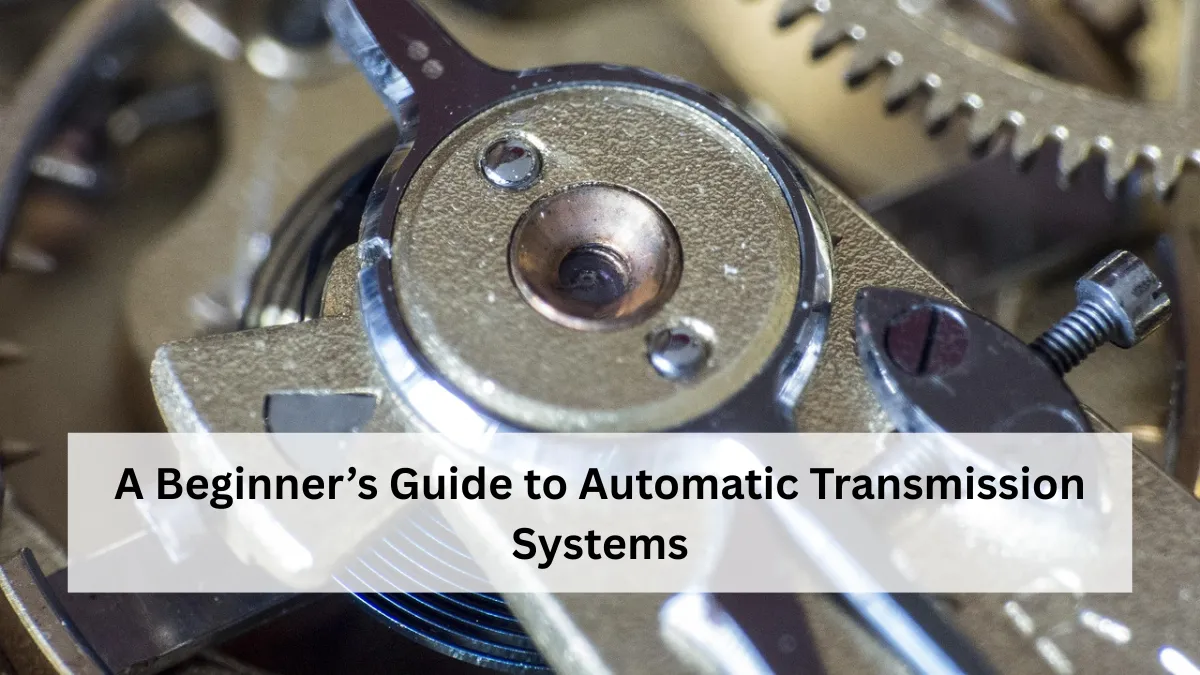
Automatic transmissions combine mechanical parts, hydraulic pressure, and electronic controls into one system. Unlike a manual transmission, where the driver controls the clutch and gear changes, an automatic transmission does that work for you.
The system constantly measures speed, engine load, and throttle position. It decides when to shift gears based on that information. Because all of this happens automatically and invisibly, many drivers never learn what the different gear positions mean or how their actions affect the system.
Another reason for confusion is that modern cars include additional features like “Sport,” “Eco,” and manual shift modes. These options are useful, but without understanding them, drivers may use them incorrectly or avoid them entirely.
How an Automatic Transmission Works in Simple Terms
An automatic transmission connects the engine to the wheels through a device called a torque converter instead of a clutch. The torque converter uses fluid to transfer power smoothly from the engine to the transmission.
Inside the transmission, a series of planetary gear sets create different gear ratios. The transmission fluid moves through valves and passages, applying pressure to engage or release different gears. In modern vehicles, a computer called the transmission control module manages this process.
As you accelerate, the system shifts to higher gears for better fuel efficiency and smoother driving. When you slow down, it shifts to lower gears so the engine can maintain proper power.
All of this happens without the driver needing to press a clutch or move through gear positions manually.
Understanding the Gear Selector Positions
Most automatic vehicles in the United States use the same basic gear selector layout.
Park locks the transmission and prevents the vehicle from rolling. Reverse moves the car backward. Neutral disconnects the engine from the wheels so the car can roll freely. Drive allows the car to move forward and shift through all gears automatically. Some vehicles also have Low or manual shift options that limit the transmission to lower gears for steep hills or towing.
Understanding what each position does helps prevent damage and improves safety.
Step-by-Step: How to Use an Automatic Transmission Correctly
Starting the Car Safely
Before starting the engine, make sure the gear selector is in Park and your foot is on the brake. Most modern cars will not start unless these conditions are met. This prevents the vehicle from moving unexpectedly.
Once the engine is running, allow it a few seconds to settle, especially in cold weather. This gives the transmission fluid time to circulate.
Shifting Into Drive Properly
With your foot still on the brake, move the gear selector from Park into Drive. You may feel a slight engagement as the transmission connects to the wheels. Release the brake gently and allow the car to begin moving.
Avoid pressing the accelerator hard immediately. A smooth start reduces strain on the transmission and improves fuel efficiency.
Driving in Normal Conditions
In everyday driving, simply leave the car in Drive. The transmission will choose the correct gears based on your speed and how much you press the accelerator.
Drive smoothly whenever possible. Sudden, aggressive acceleration forces the transmission to downshift quickly, increasing heat and wear.
Using Reverse Carefully
Always come to a complete stop before shifting from Drive to Reverse or from Reverse to Drive. Shifting while the car is still moving in the opposite direction puts extreme stress on the transmission and can cause internal damage.
Parking the Vehicle Correctly
When parking, bring the car to a complete stop with your foot on the brake. Shift into Park, then set the parking brake. This order helps prevent the car’s weight from resting on the transmission’s locking mechanism, especially on hills.
After the parking brake is set, you can release the brake pedal.
Using Low or Manual Modes
Some cars include a Low gear or a manual shift mode. These are helpful for driving in mountains, towing, or descending steep hills.
In these situations, selecting a lower gear helps control speed without relying only on the brakes. This reduces brake wear and improves stability.
Switching to Neutral When Needed
Neutral is mainly used in car washes, towing, or specific service situations. Do not coast downhill in Neutral. This reduces control and does not save fuel in modern vehicles.
Common Mistakes and How to Avoid Them
One common mistake is shifting between Drive and Reverse before the car has fully stopped. This can cause harsh engagement and long-term damage.
Another mistake is ignoring warning signs like delayed shifting, unusual noises, or fluid leaks. These early signs often indicate minor issues that can be addressed before they become serious.
Some drivers also forget that automatic transmissions still need regular maintenance. Transmission fluid breaks down over time and should be checked and replaced according to the vehicle manufacturer’s schedule.
Helpful Tips for Long-Term Transmission Health
Let your car warm up slightly in cold weather before driving aggressively. Cold fluid does not flow as well and can increase wear.
Avoid excessive towing beyond your vehicle’s rated capacity. Towing adds heat and stress to the transmission.
Use the parking brake consistently, especially on hills. This protects the transmission’s internal parking mechanism.
Pay attention to dashboard warning lights related to the transmission or engine. Modern systems are designed to alert you early.
Realistic Example: A Daily Commute in the Midwest
Imagine a working professional in Ohio who drives 30 miles each day to and from work. In winter, temperatures drop well below freezing. Allowing the car to idle for a short time before driving and avoiding hard acceleration during the first few minutes helps protect the transmission.
When parking on a sloped driveway, setting the parking brake before shifting into Park prevents the car’s weight from stressing the transmission. Over years of daily use, these small habits reduce the risk of repairs and improve reliability.
Conclusion: Driving With Confidence
Automatic transmissions are designed to make driving easier, but understanding how they work and how to use them correctly makes a real difference. By learning what the gear positions mean, shifting smoothly, and following simple habits, you can improve safety, comfort, and the long-term health of your vehicle.
For beginners, students, working professionals, and seniors alike, a basic understanding of your car builds confidence. It helps you notice when something feels wrong and encourages better driving habits. With a little attention and care, an automatic transmission can provide many years of reliable service.
FAQ’s
Is it bad to shift into Neutral at traffic lights?
It is not necessary and offers no real benefit in modern cars. Staying in Drive with your foot on the brake is safe and designed into the system.
How often should transmission fluid be checked?
Most manufacturers recommend checking it at regular service intervals. Some modern cars have sealed systems, so refer to your owner’s manual for specific guidance.
Why does my car feel like it hesitates before shifting?
A slight delay can be normal, especially when the transmission is cold. Persistent delays, slipping, or harsh shifts should be checked by a qualified technician.
Can I use manual shift mode all the time?
You can, but it is usually not necessary for normal driving. Manual modes are best used for specific conditions like hills or towing.
✨ You May Also Like ✨