For many drivers in the United States, cars feel harder to understand than they used to. A few decades ago, a basic understanding of engines and transmissions was enough to handle simple maintenance and spot problems early. Today, vehicles use complex computer-controlled systems that can feel confusing, even intimidating.
One of the biggest areas of change is the transmission. What used to be a mostly mechanical system is now a combination of gears, sensors, software, and electronic controls. This shift has created a common problem for everyday drivers: people no longer understand how their transmission works, what can go wrong, or how to care for it properly.
This article explains how transmission technology evolved, why that evolution happened, and what it means for you as a driver. The goal is to give you a clear, practical understanding so you can make better decisions, avoid common mistakes, and feel more confident about your vehicle.
Why This Change Happened
The shift from mechanical to digital control
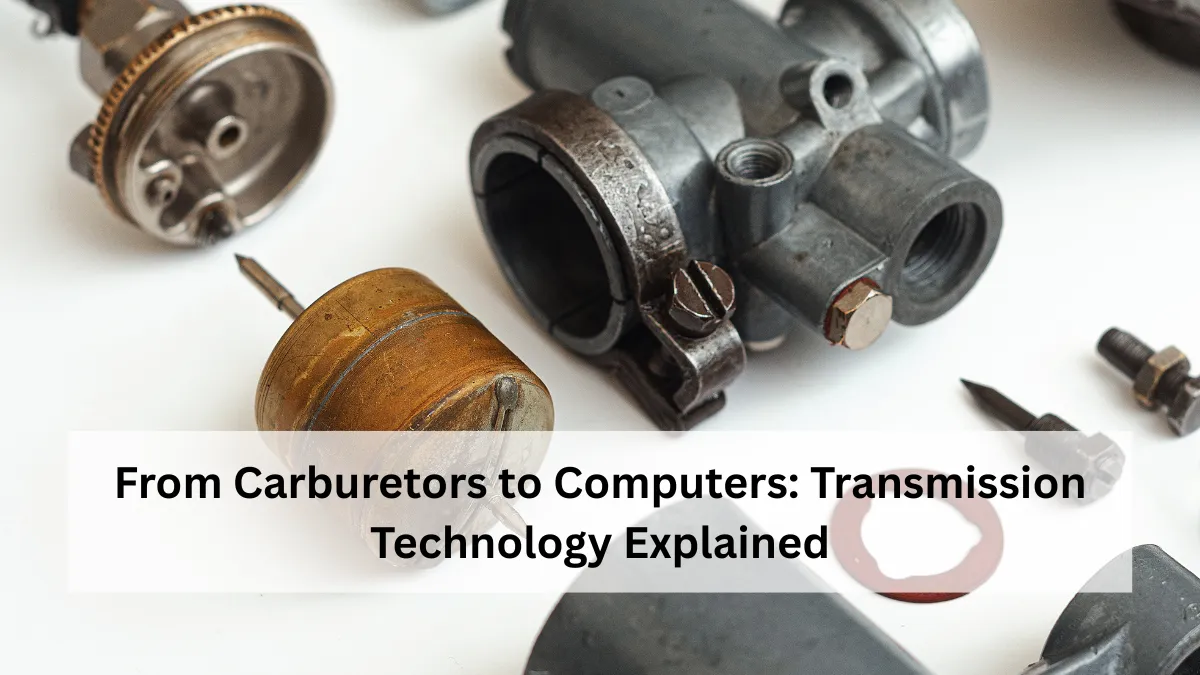
Older cars relied on carburetors and purely mechanical transmissions. These systems were simple, predictable, and relatively easy to repair. However, they were not very efficient, consistent, or environmentally clean.
Over time, automakers faced pressure to improve fuel efficiency, reduce emissions, and make vehicles smoother and easier to drive. Mechanical systems could not meet these demands on their own. Computers allowed engineers to control fuel delivery, gear shifts, and engine performance with far greater precision.
This is why carburetors were replaced by fuel injection, and mechanical transmissions were replaced by electronically controlled ones. The computer now decides when to shift, how hard to shift, and how to adapt to driving conditions.
Consumer expectations changed
Drivers also started expecting more from their vehicles. They wanted smoother shifting, better fuel economy, quieter operation, and fewer stalls or jerky movements. Automatic transmissions became more popular, and those automatics had to become smarter to meet modern expectations.
As a result, transmissions became more advanced, but also more complex.
How Modern Transmissions Work (In Simple Terms)
Mechanical parts still exist
Even modern transmissions still use gears, clutches, and fluid. These physical parts transfer power from the engine to the wheels. Without them, the car cannot move.
The difference is that these parts are now controlled by electronics instead of only by springs, valves, and pressure changes.
The computer is now the decision-maker
A transmission control module, often working together with the engine control module, constantly monitors speed, throttle position, temperature, and driving style. Based on this information, it decides when to shift gears and how quickly to do so.
For example, if you are gently accelerating on a flat road, the system shifts early to save fuel. If you are merging onto a highway, it delays the shift to give you more power.
This is what makes modern transmissions feel smoother and more responsive than older designs.
The Main Problem for Drivers
The core problem is not that modern transmissions are bad. The problem is that drivers no longer understand them, and that lack of understanding leads to poor maintenance, misuse, and delayed repairs.
This results in higher repair costs, unexpected breakdowns, and frustration.
Most transmission problems today start small. A fluid issue, a software glitch, or a minor sensor failure can grow into a major problem if ignored.
Understanding what is happening inside your vehicle helps you prevent this.
Step-by-Step: How to Take Care of a Modern Transmission
Step 1: Understand what type of transmission you have
Different vehicles use different types of transmissions. In the U.S., the most common are traditional automatic, continuously variable transmission (CVT), dual-clutch transmission (DCT), and manual.
Your owner’s manual or vehicle specifications will tell you which one you have. This matters because each type has slightly different care requirements.
Step 2: Follow the correct fluid service schedule
Transmission fluid is essential. It lubricates parts, cools the system, and helps with gear engagement.
Many modern vehicles advertise “lifetime” fluid, but that usually means the expected life of the transmission, not the life of the car. In real-world driving, fluid still degrades.
Check your manual for recommended intervals, especially if you drive in heavy traffic, hot climates, or hilly areas.
Step 3: Pay attention to early warning signs
Modern transmissions usually give subtle warnings before failing. These include delayed shifting, rough shifts, slipping, warning lights, or strange noises.
Do not ignore these signs. Early diagnosis often prevents larger problems.
Step 4: Avoid habits that stress the system
Hard acceleration when the engine is cold, shifting from reverse to drive without stopping, and towing beyond rated limits all add strain to the transmission.
Gentle habits extend the life of the system and reduce heat buildup.
Step 5: Keep software updates in mind
Some transmission issues are fixed through software updates rather than mechanical repairs. Dealers and qualified shops can update the control software if needed.
This is another reason modern transmissions feel different from older ones. The “fix” is sometimes digital, not physical.
Helpful Tips and Common Mistakes to Avoid
Many drivers unintentionally harm their transmissions simply because they do not know better.
One common mistake is assuming that no maintenance is needed because the car is new or under warranty. Even new cars benefit from inspections and fluid checks.
Another mistake is using the wrong type of fluid. Modern transmissions often require specific formulations. Using the wrong fluid can cause poor shifting or damage.
Ignoring small symptoms is also a frequent problem. A slight delay in shifting may not seem serious, but it can indicate low fluid pressure or early wear.
Finally, some drivers rely on internet rumors or outdated advice. What worked for a 1990s vehicle may not apply to a 2020s model.
How This Affects Everyday Drivers
For students, working professionals, and seniors, reliability matters. A transmission failure is not just inconvenient, it can disrupt work, family responsibilities, and daily life.
Understanding your vehicle gives you control. You can make informed decisions, ask better questions at repair shops, and avoid unnecessary stress.
This knowledge also helps you budget realistically for maintenance, rather than being surprised by major repairs.
Conclusion: Understanding Brings Confidence
The move from carburetors to computers changed the entire driving experience. Transmissions became smarter, smoother, and more efficient, but also more complex and less transparent.
The main problem for drivers is not the technology itself, but the lack of understanding around it. That gap leads to misuse, neglect, and unnecessary repairs.
By learning how your transmission works, following simple maintenance steps, and paying attention to early warning signs, you can keep your vehicle running reliably and reduce stress.
You do not need to be a mechanic or an engineer. You only need a basic awareness of what is happening inside your car and how your habits affect it. That awareness is what turns modern technology from something confusing into something helpful and manageable.
FAQ’s
What is the biggest difference between old and new transmissions?
Older transmissions relied mostly on mechanical controls. Modern transmissions use computers to manage shifting, which improves efficiency and smoothness but adds complexity.
Do modern transmissions last longer than older ones?
They can, if properly maintained. The technology itself is not less durable, but it is more sensitive to neglect, fluid quality, and heat.
Why does my car sometimes shift differently on different days?
The computer adapts to driving conditions, temperature, and your driving style. This can make shifts feel slightly different depending on traffic, weather, or load.
Is it normal for a transmission to feel confused on hills or in traffic?
Some hesitation or adjustment is normal as the system tries to choose the best gear. However, repeated harsh shifts or slipping should be checked.
✨ You May Also Like ✨