For many drivers in the United States, a transmission problem feels like it comes out of nowhere. One day the car shifts fine, and the next day it hesitates, jerks, or refuses to move. By the time most people notice something is wrong, the damage is often already serious.
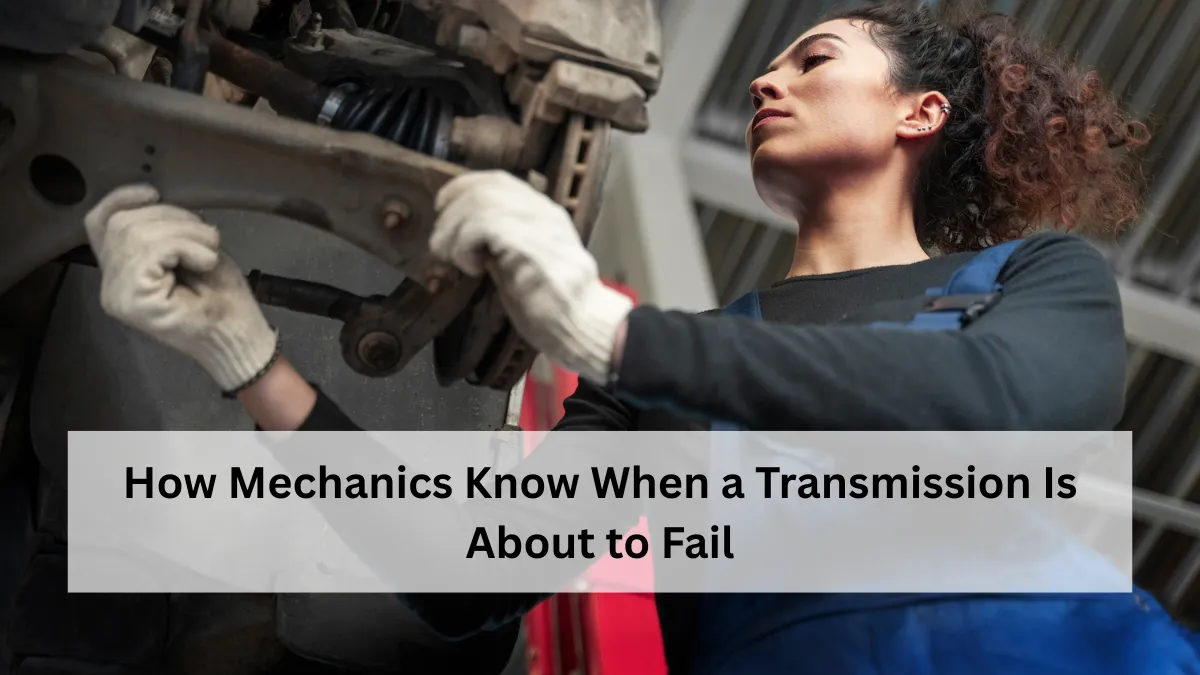
Professional mechanics, however, usually see transmission failure coming long before it completely breaks down. They rely on experience, sound, smell, behavior, and simple testing to spot early warning signs. Understanding how they do this can help everyday drivers recognize problems sooner, avoid being stranded, and make informed decisions about repairs.
This article explains how mechanics identify a failing transmission, why these problems develop, and what steps drivers can take when early signs appear.
Why Transmission Problems Happen in the First Place
A vehicle’s transmission works under constant stress. Every time you accelerate, slow down, or change speed on the highway, the transmission adjusts power from the engine to the wheels. Over time, heat, friction, and wear naturally take a toll.
One common cause is heat buildup. Transmissions generate heat during normal operation, and when fluid levels are low or fluid quality is poor, that heat is not managed properly. Excess heat breaks down internal components and seals.
Another major reason is neglected maintenance. Many drivers assume modern vehicles do not need regular transmission service. While some newer cars have longer service intervals, no transmission is truly maintenance-free. Old fluid loses its ability to lubricate and protect internal parts.
Driving habits also play a role. Frequent stop-and-go traffic, towing heavy loads, aggressive acceleration, and driving in hilly areas all increase strain. Over time, this strain causes internal wear that mechanics learn to recognize early.
How Mechanics Detect Early Transmission Trouble
Subtle Changes in How the Car Feels
One of the first things mechanics pay attention to is how the vehicle behaves during normal driving. A healthy transmission shifts smoothly and predictably. When a transmission is starting to fail, the changes are often subtle at first.
A mechanic may notice a slight delay when shifting from park into drive. They may feel a soft shudder during gear changes or a hesitation when accelerating onto a highway. These are signs that internal clutches or bands are not engaging as cleanly as they should.
Drivers often dismiss these changes as “the car getting older,” but mechanics know these small differences are early clues.
Unusual Sounds During Shifting
Sound is another major indicator. A trained mechanic listens carefully during test drives. Whining, humming, clunking, or grinding noises often point to internal wear.
For example, a high-pitched whining sound that changes with speed can indicate worn bearings or fluid issues. A clunk when shifting gears may suggest worn mounts or internal components struggling to engage.
Because mechanics have driven thousands of vehicles, they can quickly tell when a sound is not normal for a particular make or model.
Changes in Transmission Fluid
Transmission fluid tells a story. Mechanics always check the color, smell, and condition of the fluid when diagnosing a problem.
Healthy transmission fluid is usually red or light brown and has a mild, oily smell. When fluid turns dark brown or black, it indicates overheating or contamination. A burnt smell is a strong warning sign that internal components are overheating and wearing rapidly.
Metal particles in the fluid are another red flag. These particles suggest internal parts are grinding against each other, which usually means failure is already underway.
Step-by-Step: How Mechanics Confirm a Transmission Is Failing
Step One: Gathering the Driver’s Experience
The diagnostic process usually starts with a conversation. Mechanics ask when the problem occurs, whether it happens when the car is cold or warm, and if it gets worse during long drives.
For example, a driver in California who experiences slipping after an hour of freeway driving may be dealing with heat-related fluid breakdown. A driver in the Midwest noticing rough shifts on cold mornings may have worn seals.
These details help narrow down the cause before any tools are used.
Step Two: Test Driving Under Real Conditions
Next, the mechanic test drives the vehicle. They simulate everyday situations such as city traffic, highway merging, and gentle braking.
During this drive, they pay attention to shift timing, responsiveness, vibrations, and noises. They also watch how the transmission behaves when downshifting or climbing hills.
A failing transmission often behaves differently under load, and experienced mechanics know exactly when to apply that load during testing.
Step Three: Visual and Fluid Inspection
After the test drive, the mechanic inspects the transmission area. They look for leaks around seals, lines, and the transmission pan. Even small leaks can lead to low fluid levels over time.
The fluid itself is inspected closely. Its condition helps confirm whether the problem is internal wear, overheating, or contamination from debris.
This step often provides the strongest evidence of impending failure.
Step Four: Electronic Diagnostics and Data Checks
Modern vehicles rely heavily on sensors and computers. Mechanics connect diagnostic tools to read error codes and live data.
These codes may indicate slipping gears, pressure problems, or sensor malfunctions. While a code alone does not always mean failure, patterns in the data help mechanics confirm what they already felt during the test drive.
For example, inconsistent pressure readings often match symptoms like delayed shifting or sudden jerks.
Step Five: Professional Judgment Based on Experience
The final step is experience-based judgment. Mechanics compare all the information gathered and decide whether the transmission is likely to fail soon or if the issue can be managed with maintenance or minor repairs.
This judgment is something no machine can replace. It comes from years of seeing how small symptoms turn into major failures when ignored.
Warning Signs Mechanics Take Seriously
Certain signs immediately raise concern in a repair shop. One is slipping, where the engine revs but the car does not accelerate properly. This usually means internal clutches are worn.
Another serious sign is hard or violent shifting. When gear changes feel like jolts, it suggests internal pressure problems or damaged components.
Loss of gears is also critical. If a car suddenly cannot move forward or backward, mechanics know the transmission is near the end of its service life.
Ignoring these signs often leads to complete failure, leaving the vehicle undrivable.
What Drivers Can Do When Early Signs Appear
When early symptoms show up, prompt action matters. Scheduling an inspection early can sometimes prevent further damage.
In some cases, a fluid service may restore proper operation if the problem is caught early enough. In others, repairing a small leak or replacing a sensor can reduce strain on internal parts.
Even when major repairs are unavoidable, early diagnosis gives drivers time to plan, compare options, and avoid emergency breakdowns.
Common Mistakes That Make Transmission Problems Worse
One common mistake is continuing to drive despite obvious symptoms. Many drivers hope the problem will “work itself out,” but transmissions rarely improve on their own.
Another mistake is using incorrect transmission fluid. Each vehicle requires a specific fluid type, and using the wrong one can cause immediate damage.
Ignoring warning lights is also risky. While not every light means a major problem, they are designed to alert drivers early, not after failure occurs.
Conclusion: Knowledge Helps Drivers Act Before It’s Too Late
Transmission failure rarely happens without warning. Mechanics learn to spot the signs through careful observation, testing, and experience. By understanding how they identify problems, drivers can become more aware of their own vehicles.
Paying attention to changes in shifting, sound, and fluid condition can make a meaningful difference. Early action does not always prevent failure, but it often reduces stress, cost, and inconvenience.
For everyday drivers across the United States, understanding these warning signs is not about becoming a mechanic. It is about staying informed, prepared, and confident when something does not feel right behind the wheel.
FAQ’s
How long can a transmission last once symptoms begin?
The lifespan varies widely. Some transmissions fail within weeks if symptoms are severe, while others may last months with mild issues. Early inspection provides the best estimate.
Is it safe to drive with a slipping transmission?
Driving with slipping increases wear and heat. Short trips may be possible, but continued driving often leads to faster failure and higher repair costs.
Can regular maintenance really prevent transmission failure?
Regular maintenance cannot prevent all failures, but it significantly reduces risk. Clean fluid and proper levels help manage heat and friction.
Do automatic and manual transmissions show different warning signs?
Yes. Automatic transmissions often show slipping or delayed shifts, while manual transmissions may show grinding or difficulty engaging gears. Mechanics adjust their diagnosis accordingly.
✨ You May Also Like ✨