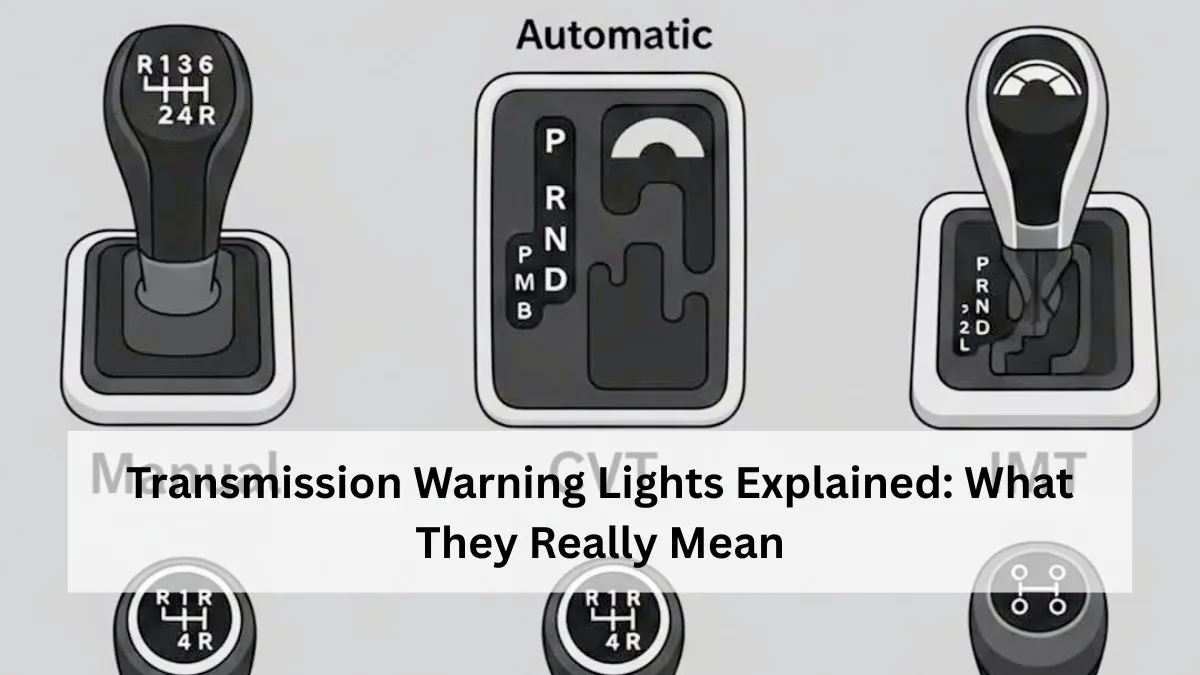
Many car owners in the United States drive for years without really understanding how their transmission works. Everything feels fine until one day the car hesitates, shifts hard, or refuses to move as expected. At that point, confusion sets in. Drivers often hear unfamiliar terms, see warning lights, and worry about costly repairs without knowing what actually went wrong.
This lack of understanding is common because the transmission works quietly in the background. It does not demand attention like brakes or tires. However, when something feels off, even a small issue can turn into a major inconvenience if ignored. Knowing a few essential transmission facts can help you recognize early signs, understand the reasons behind common problems, and take sensible steps to protect your vehicle.
This guide explains transmission basics in plain language, focuses on real-world driving situations in the USA, and offers practical, experience-based guidance without technical overload.
Why Transmission Problems Happen
How a Transmission Really Works
A transmission is responsible for transferring power from the engine to the wheels. It allows your car to change speeds smoothly while keeping the engine running efficiently. When you press the gas pedal, the transmission adjusts gears so the engine does not work too hard or too lightly.
In automatic vehicles, which are common across the US, this process happens without driver input. In manual vehicles, the driver controls gear changes using the clutch and shifter. Either way, the system depends on precise timing, clean fluid, and healthy internal parts.
When any part of this system is stressed, worn, or neglected, performance issues begin to appear.
Everyday Reasons Things Go Wrong
Transmission problems usually develop slowly. Heat buildup from stop-and-go traffic, towing heavy loads, or driving long distances at high speeds puts stress on the system. Old or contaminated transmission fluid reduces lubrication and cooling, increasing wear on internal components.
Driving habits also matter. Sudden acceleration, shifting between drive and reverse too quickly, or resting your foot on the clutch in a manual car can shorten transmission life. Over time, these small actions add up.
Why Small Issues Turn Into Bigger Ones
A minor hesitation or delayed shift might not seem serious at first. However, these early signs often indicate slipping gears or pressure problems inside the transmission. Ignoring them allows friction and heat to increase, leading to more extensive internal damage.
Many drivers delay action because the car still moves. Unfortunately, by the time the vehicle refuses to shift or drive properly, repairs are more complex and time-consuming.
Step-by-Step Solutions Every Car Owner Can Follow
Step 1: Learn to Recognize Early Warning Signs
The first solution is awareness. Pay attention to how your car feels during everyday driving. If the engine revs higher than usual before shifting, or if gear changes feel rough, the transmission may be struggling. A burning smell after driving, especially in traffic, can signal overheated transmission fluid.
Unusual noises such as whining or humming while accelerating should not be ignored. In automatic cars, hesitation when shifting from park into drive is another common early indicator.
Catching these signs early gives you more options and reduces stress later.
Step 2: Check Transmission Fluid the Right Way
Transmission fluid plays a critical role in cooling and lubrication. In many older vehicles, you can check the fluid using a dipstick, usually with the engine running and warmed up. The fluid should appear clean and reddish in color, not dark or cloudy.
Some newer cars do not have a traditional dipstick. In those cases, checking fluid level requires professional equipment. Even so, knowing whether your vehicle allows at-home checks helps you stay informed.
Low or dirty fluid does not always mean something is broken, but it does signal the need for attention.
Step 3: Adjust Driving Habits to Reduce Stress
Gentle driving goes a long way toward protecting the transmission. Allow the car to come to a complete stop before shifting between drive and reverse. Avoid rapid acceleration unless necessary, especially when the engine is cold.
In manual vehicles, fully engage the clutch when shifting and avoid holding the clutch down at stoplights. These small changes reduce friction and heat inside the transmission.
If you frequently drive in city traffic or mountainous areas, smoother inputs help the transmission handle constant gear changes more effectively.
Step 4: Follow a Consistent Maintenance Schedule
Regular maintenance is one of the most effective ways to prevent transmission trouble. Transmission fluid does not last forever, even if it looks clean. Over time, it loses its ability to cool and protect moving parts.
Vehicle manufacturers provide recommended service intervals based on normal driving conditions. In the US, many drivers fall under severe driving conditions due to traffic, weather, or towing. In those cases, fluid service may be needed sooner.
Sticking to a schedule keeps internal components operating as designed.
Step 5: Know When Professional Help Is Necessary
Some issues cannot be solved at home. If warning lights appear, gears slip frequently, or the vehicle refuses to shift properly, professional inspection is important. Modern transmissions rely on sensors and electronic controls that require specialized diagnostic tools.
Seeking help early often limits the scope of the issue. Waiting until the car stops moving entirely usually results in more complex repairs.
Understanding when to step back and let a trained technician diagnose the problem protects both the vehicle and your peace of mind.
Helpful Tips and Common Mistakes to Avoid
Many drivers assume that transmission problems appear suddenly. In reality, most issues provide early clues that go unnoticed. Taking a few moments to observe how your car behaves can make a significant difference.
Another common mistake is assuming that all shifting issues are normal as a car ages. While some changes are expected, harsh or delayed shifting is not something to dismiss automatically.
Using the correct transmission fluid is also important. Different vehicles require specific fluid types, and using the wrong one can cause performance problems. Always refer to your owner’s manual before adding or replacing fluid.
Finally, avoid treating the transmission as a sealed system that never needs attention. Even modern vehicles benefit from periodic checks and informed driving habits.
Conclusion: Confidence Comes From Understanding
Transmission problems feel intimidating largely because many drivers do not understand what is happening beneath the hood. Once you know the basics, the system becomes less mysterious and easier to manage.
By recognizing early warning signs, maintaining proper fluid condition, adjusting driving habits, and knowing when professional help is needed, you take control of a critical part of your vehicle’s health. These steps do not require technical expertise, just awareness and consistency.
For car owners across the United States, understanding transmission facts is not about preventing every possible issue. It is about making informed decisions, reducing unnecessary stress, and keeping your vehicle running smoothly for everyday life.
FAQ’s
Is it normal for a car to hesitate before shifting?
A brief pause during gear changes can happen occasionally, especially when the engine is cold. However, repeated hesitation or worsening delays usually indicate a developing transmission issue that deserves attention.
Can driving style really affect transmission life?
Yes, driving habits have a direct impact. Smooth acceleration, proper shifting, and avoiding abrupt gear changes reduce internal stress and heat, helping the transmission last longer.
Should transmission fluid always be bright red?
Fresh transmission fluid is typically red or pink. Over time, it darkens. If it appears brown, smells burnt, or looks cloudy, it may no longer provide proper protection.
Are manual transmissions easier to maintain than automatic ones?
Manual transmissions are often simpler mechanically, but they still require proper care. Clutch wear, fluid condition, and shifting technique all influence longevity.
✨ You May Also Like ✨