A vehicle’s transmission is one of its most complex and expensive systems. It controls how power moves from the engine to the wheels, allowing your car to shift speeds smoothly and respond to driving conditions. When the transmission starts to fail, the symptoms often appear slowly. A small hesitation when shifting, a strange noise, or a warning light can easily be ignored until the problem becomes serious.
Many drivers in the United States face transmission issues without realizing what’s happening or what to do next. This article explains why transmission problems occur, how to recognize early signs, and what practical steps car owners can take to prevent damage or respond properly when something goes wrong.
The goal is not to turn you into a mechanic, but to help you understand your vehicle better so you can make informed, timely decisions.
Why Transmission Problems Happen
Heat and Fluid Breakdown
Transmission fluid plays a critical role. It lubricates moving parts, cools the system, and provides hydraulic pressure for shifting. Over time, heat breaks down the fluid. When fluid loses its protective properties, friction increases and internal components wear faster.
Stop-and-go traffic, towing, and long highway drives in hot weather all raise transmission temperature. In many parts of the U.S., summer driving can push fluid beyond its ideal range.
Normal Wear and Tear
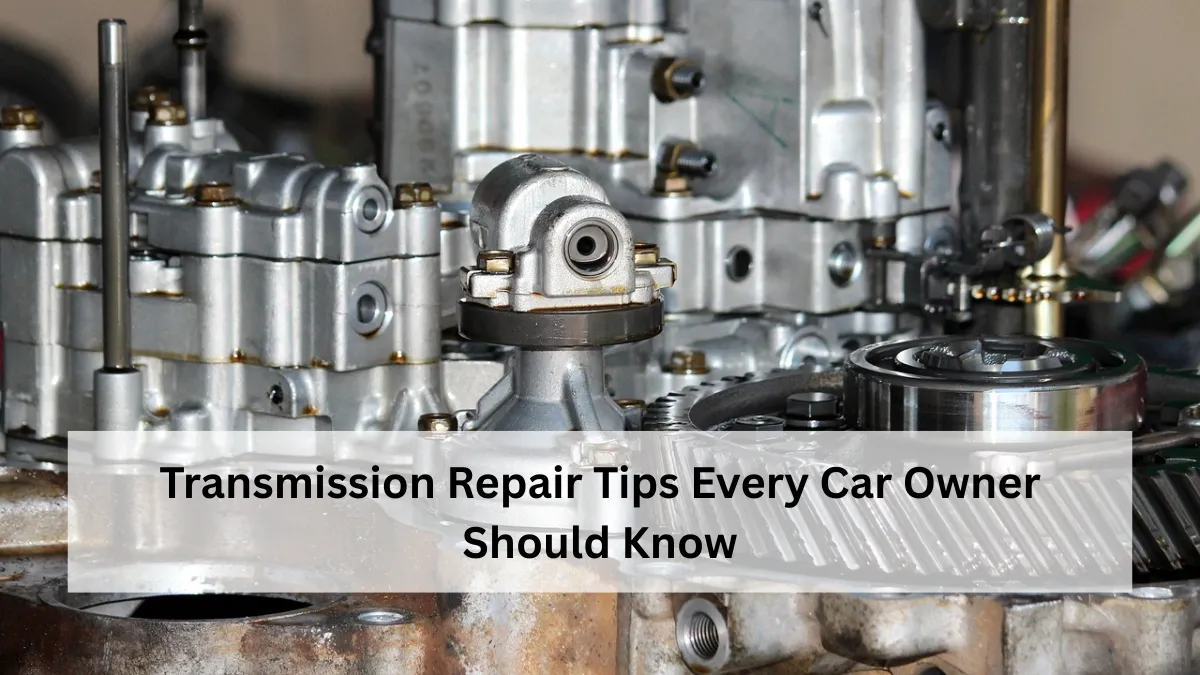
Inside the transmission are gears, bands, clutches, and valves that move and interact thousands of times during every trip. Even with proper care, these parts slowly wear down. Vehicles with high mileage are more likely to experience slipping, delayed shifting, or internal leaks.
Low or Contaminated Fluid
Leaks are a common cause of transmission failure. A small leak at a seal or cooler line can slowly lower fluid levels. Dirt, metal shavings, or moisture can contaminate fluid, reducing lubrication and increasing internal damage.
Aggressive Driving Habits
Sudden acceleration, hard braking, and shifting from drive to reverse before the vehicle fully stops put extra strain on the transmission. Over time, this stress adds up and shortens component life.
Missed Maintenance
Many drivers are unaware that transmission fluid needs periodic inspection and replacement. Some newer vehicles advertise “lifetime fluid,” but in real-world conditions, fluid still degrades. Skipping inspections can allow small problems to grow unnoticed.
Step-by-Step: How to Respond to Transmission Issues
Step One: Recognize Early Warning Signs
Pay attention to how your car feels and sounds. Hesitation when shifting, rough or jerky gear changes, slipping between gears, whining or clunking noises, and burning smells are all signals that something is not right. A check engine or transmission warning light should never be ignored.
Catching a problem early often prevents major damage.
Step Two: Check Transmission Fluid Condition
When your vehicle is parked on level ground and the engine is warm, check the transmission fluid if your model allows it. Healthy fluid is usually red or light brown and smells neutral. Dark, cloudy, or burnt-smelling fluid suggests overheating or contamination.
If fluid levels are low, this often means there is a leak that needs attention.
Step Three: Stop Driving If Shifting Feels Unsafe
If your car struggles to shift into gear, slips badly, or makes loud grinding noises, continuing to drive can cause serious internal damage. In these cases, limiting driving and arranging for inspection is safer and often cheaper in the long run.
Step Four: Get a Professional Diagnosis
Modern transmissions are controlled by electronic sensors and computers. A trained technician can scan error codes, check pressures, and inspect fluid to determine what is actually happening. This avoids unnecessary repairs and helps focus on the real issue.
Step Five: Follow the Recommended Repair Path
Some problems require simple fixes such as replacing fluid, repairing a leak, or changing a sensor. Others involve internal repairs or rebuilding. Understanding the diagnosis helps you decide whether to repair, rebuild, or replace the transmission based on the vehicle’s age, condition, and usage.
Practical Tips to Extend Transmission Life
Keep the Transmission Cool
Heat is the main enemy of transmissions. Avoid unnecessary idling in traffic when possible, and consider using lower gears when towing or driving in mountains to reduce strain. Vehicles used for hauling or heavy work may benefit from an auxiliary transmission cooler.
Maintain Proper Fluid Levels
Check for leaks under your vehicle and pay attention to spots on your driveway. Even a small drip can become a big problem over time. Have seals and lines inspected during routine service visits.
Follow a Reasonable Fluid Change Schedule
Even if your owner’s manual suggests long intervals, many mechanics recommend fluid inspection every 30,000 to 60,000 miles, especially for vehicles driven in hot climates or heavy traffic.
Use Smooth Driving Habits
Gentle acceleration and braking reduce stress on transmission components. Always come to a full stop before shifting from drive to reverse or park.
Warm Up in Cold Weather
In colder parts of the U.S., allow the engine and transmission a short warm-up before aggressive driving. Cold fluid is thicker and does not lubricate as effectively.
Common Mistakes That Cause Transmission Damage
Many car owners unintentionally shorten transmission life by ignoring early signs. Driving with slipping gears, strange noises, or warning lights often leads to internal damage that could have been avoided.
Using the wrong type of transmission fluid is another frequent mistake. Each vehicle requires specific fluid chemistry, and using the wrong type can cause shifting problems and accelerated wear.
Another issue is overfilling fluid. Too much fluid can foam and reduce lubrication, leading to overheating.
Finally, delaying professional inspection because symptoms seem minor can result in larger, more expensive repairs later.
Understanding Repair Options
When a transmission problem is confirmed, there are generally three possible paths. Minor repairs involve replacing external parts like seals, sensors, or solenoids. These are less invasive and usually cost less.
Rebuilding a transmission involves removing it from the vehicle and replacing worn internal parts. This restores function but requires skilled labor and time.
Replacing the transmission with a remanufactured or used unit is sometimes more practical for older vehicles or when internal damage is extensive.
A trusted technician can explain which option makes the most sense based on your situation.
Conclusion
Transmission problems rarely appear overnight. They usually develop gradually through heat, wear, low fluid, or missed maintenance. The good news is that many issues can be prevented or managed with attention, routine checks, and sensible driving habits.
By understanding how your transmission works, recognizing early warning signs, and responding promptly, you can reduce the risk of major repairs and keep your vehicle running smoothly for years. This knowledge empowers you to make calm, informed decisions about your car instead of reacting in a panic when something goes wrong.
FAQ’s
What are the first signs of transmission trouble?
Common early signs include delayed shifting, slipping between gears, rough gear changes, unusual noises, and warning lights. A burning smell or leaking fluid is also a strong indicator that something is wrong.
Can I drive with a slipping transmission?
Driving with a slipping transmission can cause further internal damage. It is safer to limit driving and have the vehicle inspected as soon as possible.
How often should transmission fluid be checked?
Fluid should be checked at least during routine maintenance visits and whenever you notice unusual behavior. Many professionals recommend inspection every 30,000 to 60,000 miles depending on driving conditions.
Is transmission repair always expensive?
Not always. Small̹Small issues such as leaks, sensors, or fluid problems can often be fixed at a reasonable cost. Major repairs become expensive when problems are ignored and internal parts fail.
✨ You May Also Like ✨