For many drivers in the United States, getting a car repaired can feel stressful and confusing. People often worry about being overcharged, pressured into unnecessary work, or treated like just another number. Large repair chains can feel impersonal, and it’s not always clear who is responsible for the work done on your vehicle.
This is where family-owned auto repair shops often stand out. These smaller, locally run businesses tend to operate differently, focusing on relationships, reputation, and long-term trust. This article explains why the problem exists, what causes it, and how family-owned repair shops often provide practical solutions that better serve their communities.
The goal is not to promote any specific business, but to help you understand how these shops work and why many people prefer them.
Why the Problem Exists
Cars Are Essential, but Repairs Are Confusing
In most parts of the U.S., owning a car is necessary for work, school, and daily life. When something goes wrong, people usually need a repair quickly. At the same time, most drivers are not trained mechanics. This knowledge gap makes it hard to know whether a suggested repair is truly needed or fairly priced.
Large Repair Businesses Focus on Volume
Many large auto repair chains are built around speed and volume. Technicians are expected to move quickly from one car to the next. Managers often have targets to meet, such as a certain number of services per day. While many chain shops employ skilled and honest technicians, the system itself can create pressure that doesn’t always align with the customer’s best interest.
Trust Takes Time to Build
Trust in auto repair comes from repeated, positive experiences. Big businesses change staff often, rotate managers, and may not recognize returning customers. That makes it harder to build personal trust, which is what many people really want when handing over something as important as their car.
How Family-Owned Auto Repair Shops Address These Issues
A Different Business Model
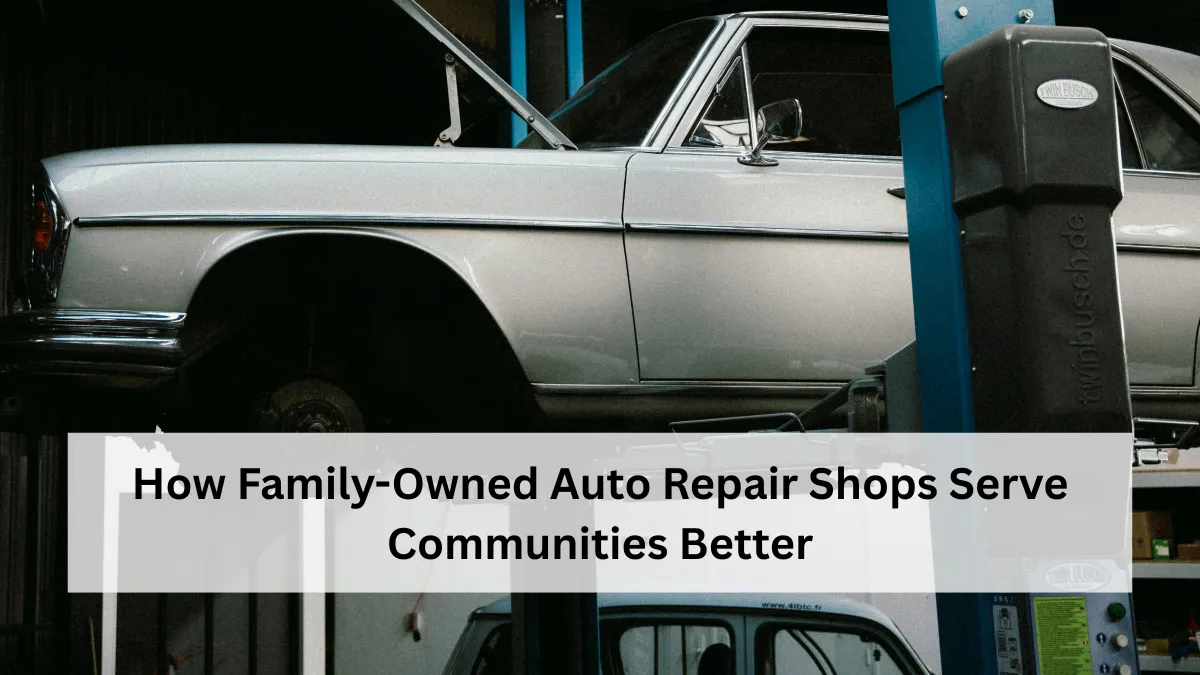
Family-owned shops are usually run by people who live in the same community as their customers. Their reputation matters not just for business, but socially as well. If customers are unhappy, word spreads quickly through neighborhoods, schools, churches, and local groups.
Because of this, many family-owned shops focus more on long-term relationships than short-term profit.
Step 1: They Start With Listening
A common difference is how the interaction begins. In many family-run shops, the owner or a long-term employee personally speaks with the customer. They listen to what the driver is experiencing, ask follow-up questions, and take time to understand the situation before suggesting anything.
This approach helps avoid misunderstandings and reduces unnecessary repairs.
Step 2: They Explain Problems in Plain Language
Instead of using only technical terms, many family shop owners explain issues in simple language. For example, rather than saying “your alternator output is inconsistent,” they might say “the part that charges your battery is wearing out, which is why your car sometimes struggles to start.”
This makes customers feel more informed and less intimidated.
Step 3: They Focus on What Matters Now
Family-owned shops often help customers prioritize. If several things are wrong, they usually explain which ones are urgent and which can wait. This helps people manage costs and avoid feeling overwhelmed.
For example, a shop might explain that a brake issue should be fixed immediately for safety, while a minor suspension noise can be monitored for a few months.
Step 4: They Build Ongoing Relationships
Instead of seeing each visit as a one-time transaction, family shops tend to view customers as long-term neighbors. They remember past repairs, know the history of the vehicle, and recognize returning customers by name.
This continuity improves service quality and trust over time.
Realistic Examples From U.S. Communities
In a small town in Ohio, a family-owned shop has been run by the same family for three generations. Local parents trust the shop with their teenagers’ first cars because they know the owners personally and feel confident the advice is honest.
In a suburb outside Phoenix, a family-run shop specializes in older vehicles because many residents drive cars that are ten or more years old. Instead of pushing new parts aggressively, they often repair and maintain existing parts to extend vehicle life, which suits the community’s needs.
In rural areas, these shops sometimes become informal advisors, helping people decide whether a repair is worth doing based on the car’s overall condition and the driver’s plans.
These examples show how family-owned shops adapt to the specific needs of their communities.
How This Benefits the Community as a Whole
More Local Jobs
Family-owned shops usually hire locally. This keeps money in the community and provides stable employment for residents.
Better Accountability
If something goes wrong, customers know exactly who to talk to. The owner is often on-site, making problem resolution faster and more personal.
Support During Hard Times
In many communities, family shops quietly help people during difficult periods by offering flexible payment timing or advising on cost-saving options. While they are still businesses that need to survive, they often balance profit with compassion.
Stronger Local Connections
These shops sponsor local events, support school programs, and contribute to community projects. This deepens their role beyond just auto repair.
Common Mistakes Drivers Make When Choosing a Repair Shop
Assuming Bigger Means Better
Many people assume a national brand automatically means higher quality. This is not always true. Skill and honesty depend more on people than on brand names.
Not Asking Questions
Some drivers feel embarrassed asking basic questions. This can lead to confusion or mistrust later. Good shops welcome questions.
Ignoring Shop Reputation in the Community
Online reviews are helpful, but local reputation is often more meaningful. Talking to neighbors and coworkers can provide more reliable insight.
Waiting Too Long for Small Problems
Minor issues can grow into bigger ones if ignored. Family shops often encourage early checks to prevent larger repairs later.
Conclusion: Why Family-Owned Shops Often Serve Better
Family-owned auto repair shops serve communities better not because they are perfect, but because they are built on relationships rather than volume. They tend to listen more carefully, explain more clearly, and care more deeply about long-term trust.
For everyday drivers, this means less confusion, more transparency, and a greater sense of confidence when dealing with car repairs. For communities, it means stronger local businesses, better accountability, and a more human approach to an essential service.
Choosing where to repair your car is a personal decision. Understanding how family-owned shops operate can help you make a choice that fits your values, your needs, and your community.
FAQ’s
Are family-owned auto repair shops always cheaper?
Not necessarily. Prices vary based on location, labor costs, and parts. However, many customers feel the value is higher because of honest advice and fewer unnecessary services.
Are the mechanics in family shops as qualified as those in large chains?
Many family shops employ highly trained technicians, some with decades of experience. Qualifications depend on the individual shop, not the size of the business.
How can I tell if a family-owned shop is trustworthy?
Look for clear communication, willingness to explain repairs, consistent staff, and a strong local reputation. Feeling respected and informed is a good sign.
What if I move to a new city and don’t know any local shops?
Ask coworkers, neighbors, or local community groups for recommendations. People are usually eager to share positive experiences.
✨ You May Also Like ✨