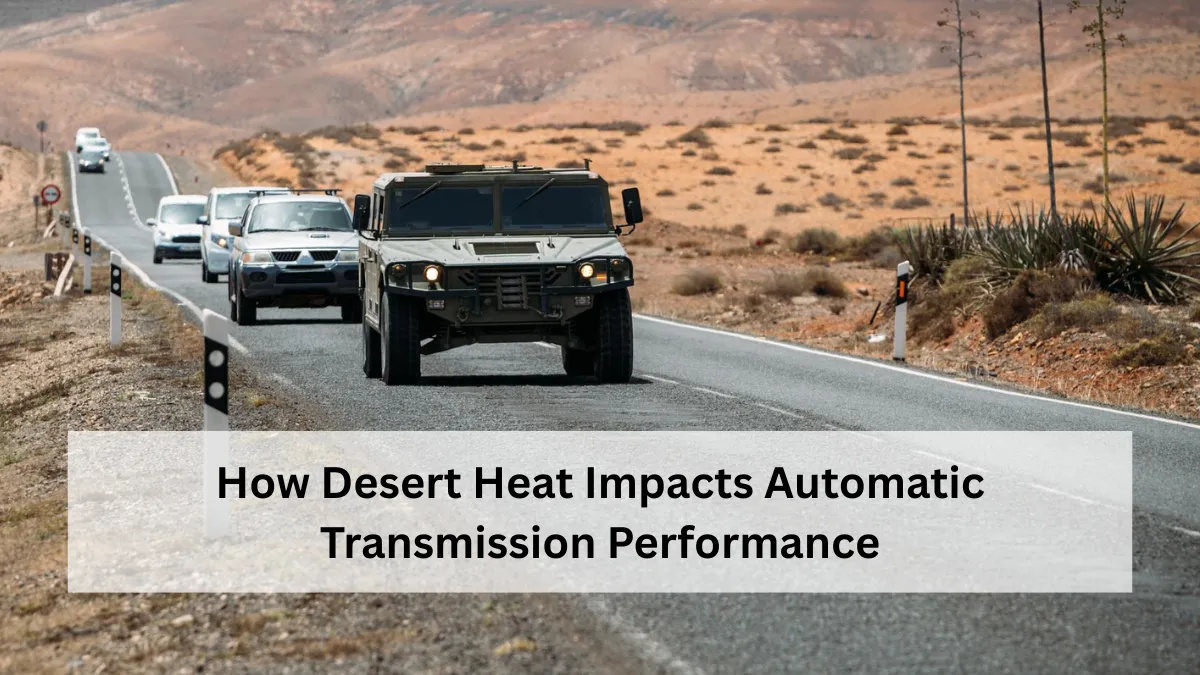
If you drive in desert regions like Arizona, Nevada, Southern California, or West Texas, you already know how punishing extreme heat can be on a vehicle. Long summer days with temperatures above 100°F put constant stress on engines, tires, batteries, and cooling systems. One part that often gets overlooked is the automatic transmission.
Many drivers notice delayed shifting, slipping gears, strange smells, or warning lights during extreme heat. These issues can feel sudden and confusing, especially if the car usually runs fine during cooler months. Understanding how desert heat affects automatic transmission performance helps drivers recognize early warning signs and take practical steps to reduce long-term damage.
This article explains the problem in simple terms, why it happens, and what everyday drivers in the United States can do to protect their vehicles when temperatures soar.
Why Desert Heat Affects Automatic Transmissions
Automatic transmissions rely on fluid, pressure, and precise timing. Unlike manual transmissions, they generate significant internal heat even under normal driving conditions. In desert climates, that heat has fewer chances to escape.
Heat and Transmission Fluid Breakdown
Transmission fluid plays several roles at once. It lubricates moving parts, transfers power, cools components, and helps control gear shifts. Extreme heat causes this fluid to thin out and break down faster than intended.
When fluid loses its proper viscosity, it cannot protect internal parts effectively. Metal components rub together more aggressively, increasing wear. Over time, this can shorten the lifespan of seals, clutches, and valves inside the transmission.
Reduced Cooling Efficiency
Most automatic transmissions rely on a cooler, often built into the radiator or mounted separately. In desert conditions, ambient air is already hot, which reduces the cooler’s ability to release heat. Stop-and-go traffic, long highway drives, and towing further raise internal temperatures.
When heat builds faster than it can be dissipated, the transmission operates outside its optimal range. This leads to inconsistent shifting and increased strain on internal components.
Increased Load in Hot Environments
Desert driving often includes long uphill grades, wide highways driven at higher speeds, and heavy use of air conditioning. All of these factors increase engine load, which in turn increases transmission workload.
For example, driving through the Mojave Desert with the AC running at full blast while climbing hills puts extra stress on the transmission. Over time, this repeated stress adds up.
Common Signs of Heat-Related Transmission Problems
Heat-related transmission issues rarely appear without warning. Many drivers notice subtle changes first, especially during summer months.
Delayed or rough shifting is a common early sign. The vehicle may hesitate before changing gears or shift more abruptly than usual. Some drivers report slipping, where the engine revs higher without a corresponding increase in speed.
A burning smell after driving is another red flag. Overheated transmission fluid can produce a sharp, burnt odor. In more severe cases, dashboard warning lights may appear, especially after extended driving in high heat.
Recognizing these signs early allows drivers to address the issue before serious damage occurs.
Step-by-Step Solutions to Reduce Heat Damage
Step One: Monitor Transmission Fluid Condition
The first step in protecting an automatic transmission in desert heat is paying attention to the fluid itself. Even vehicles marketed as having “lifetime” transmission fluid still rely on fluid that degrades over time.
Drivers should check the owner’s manual to see whether the vehicle has a dipstick or requires professional inspection. Fluid should appear clean and reddish, not dark or burnt-smelling. If the fluid looks dirty or smells off, it may no longer protect the transmission effectively.
In hot climates, fluid often needs attention sooner than the manufacturer’s general schedule suggests.
Step Two: Maintain the Cooling System
The transmission cooling system depends heavily on the vehicle’s overall cooling performance. A radiator clogged with debris or aging coolant reduces heat transfer efficiency.
Keeping the radiator clean, ensuring coolant is at proper levels, and addressing overheating issues promptly helps both the engine and transmission. Even a small cooling system problem can have a ripple effect on transmission temperatures in desert conditions.
Step Three: Adjust Driving Habits in Extreme Heat
Driving style matters more in hot environments. Rapid acceleration, frequent hard braking, and high-speed driving increase transmission heat.
Allowing the vehicle to warm up gradually, accelerating smoothly, and maintaining steady speeds helps keep temperatures under control. During extreme heat waves, planning drives during cooler morning or evening hours can also reduce stress on the transmission.
When stopped in traffic for extended periods, shifting into park instead of holding drive can slightly reduce heat buildup.
Step Four: Reduce Unnecessary Load
Extra weight forces the transmission to work harder. Carrying heavy cargo, towing trailers, or using roof racks in extreme heat increases internal temperatures.
If possible, removing unnecessary items from the vehicle during summer months can make a noticeable difference. For drivers who tow regularly in desert regions, using a vehicle designed for towing and heat management is especially important.
Step Five: Allow the Vehicle to Cool Down
After long drives in high temperatures, giving the vehicle time to cool before shutting it off can help stabilize internal temperatures. This is especially helpful after highway driving or climbing steep grades.
Parking in shaded areas or garages also reduces heat soak, where components continue absorbing heat even after the engine is off.
Helpful Tips and Common Mistakes to Avoid
One common mistake is ignoring small changes in shifting behavior. Many drivers assume rough shifting during summer is normal, but persistent issues often signal excessive heat.
Another mistake is assuming newer vehicles are immune. Modern transmissions are efficient but also more complex, with tighter tolerances. Heat-related issues can affect newer models just as easily as older ones.
Some drivers rely solely on warning lights to signal problems. By the time a warning light appears, internal temperatures may already be causing damage. Paying attention to how the vehicle feels and smells provides earlier clues.
Finally, skipping routine maintenance because a vehicle “seems fine” can be costly in desert climates. Heat accelerates wear, making proactive care more important than in milder regions.
Realistic USA-Based Driving Examples
A commuter in Phoenix who drives 40 miles each way on the freeway may notice smooth shifting in winter but rough gear changes during summer. The increased heat from long highway runs combined with city traffic can push transmission temperatures higher than expected.
A family driving through Nevada on a summer road trip may experience delayed shifting after hours of highway driving with a fully loaded vehicle. In this situation, stopping for breaks and allowing the vehicle to cool can reduce stress on the transmission.
A delivery driver in Southern California who makes frequent stops may find that constant shifting in high heat causes early signs of wear. Adjusting driving patterns and staying alert to fluid condition can help prevent long-term damage.
Conclusion: Protecting Your Transmission in Desert Conditions
Desert heat places unique demands on automatic transmissions. High ambient temperatures, heavy loads, and long drives combine to increase internal heat and accelerate wear. While these challenges are real, they are not unavoidable.
Understanding why heat affects transmission performance allows drivers to take simple, practical steps to reduce risk. Paying attention to fluid condition, maintaining the cooling system, adjusting driving habits, and recognizing early warning signs all make a meaningful difference.
FAQ’s
Does desert heat permanently damage an automatic transmission?
Desert heat alone does not automatically cause permanent damage. Problems occur when excessive heat is repeated over time without proper maintenance or adjustments. With good care and awareness, many transmissions perform well even in extreme climates.
How hot is too hot for a transmission?
Most automatic transmissions operate best below approximately 200°F. Prolonged temperatures above this range increase the risk of fluid breakdown and component wear. Desert driving makes it easier for temperatures to exceed safe levels, especially under heavy load.
Can driving with the air conditioner on affect transmission performance?
Using the air conditioner increases engine load, which can indirectly increase transmission heat. While normal AC use is expected, combining full AC usage with heavy loads and aggressive driving in extreme heat can add stress to the transmission.
Should desert drivers service transmissions more often?
Many experienced drivers and mechanics recommend shorter service intervals in extreme heat regions. Heat accelerates fluid degradation, so more frequent inspections can help catch issues early without waiting for major symptoms.
✨ You May Also Like ✨