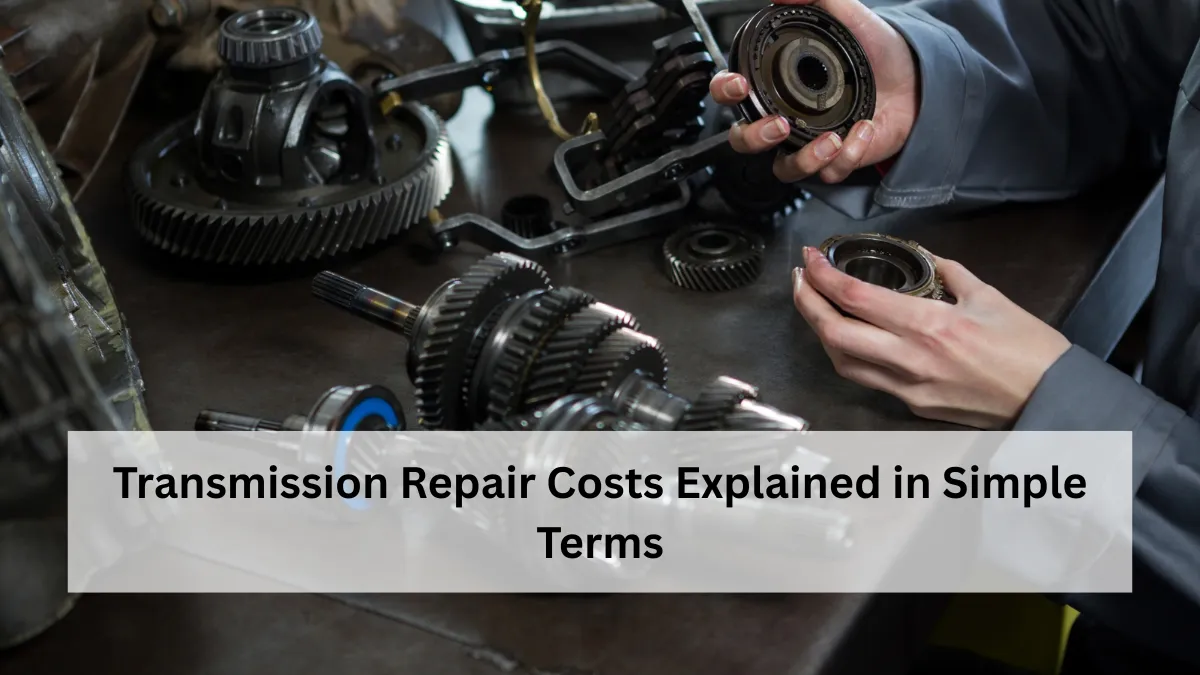
For many people in the United States, transmission repair is one of the most stressful car-related problems. You may notice your car slipping gears, hesitating when shifting, or making unfamiliar noises. Then comes the fear of the repair bill. Transmission work is often talked about as expensive and complicated, and that reputation is not completely wrong.
The problem is that most drivers do not understand what a transmission does, why it fails, or what they are actually paying for. Without clear information, it is easy to feel overwhelmed or even misled. This article explains transmission repair costs in plain language so you can understand what is happening with your vehicle and what usually affects the final price.
Everything here is informational and based on common repair experiences in the United States. The goal is to help you make sense of transmission repair, not to sell you anything or promise outcomes.
What a Transmission Does in Simple Terms
Your car’s transmission controls how power from the engine reaches the wheels. It allows your vehicle to move from a stop, accelerate smoothly, and cruise at highway speeds without damaging the engine.
In automatic vehicles, the transmission shifts gears for you using fluid pressure, sensors, and internal components. In manual vehicles, the driver controls gear changes with the clutch and gear shifter. Both types are complex systems with many moving parts.
Because the transmission works constantly while you drive, wear and tear is unavoidable over time. Heat, friction, and old fluid slowly take a toll, especially if regular maintenance is skipped.
Why Transmission Problems Happen
Transmission problems rarely appear overnight. They usually develop gradually due to a combination of age, driving habits, and maintenance history.
One common reason is old or low transmission fluid. Fluid helps cool internal parts and allows smooth gear changes. When it breaks down or leaks, metal parts rub together and begin to wear faster.
Another frequent cause is overheating. Towing heavy loads, driving in stop-and-go traffic, or climbing hills regularly can raise transmission temperatures. Excess heat damages seals and internal components.
Mechanical wear is also a factor. Gears, bands, and clutches wear down after years of use, especially in vehicles with high mileage. Electronic issues can also occur, such as failed sensors or control modules that disrupt shifting behavior.
Understanding the cause of the problem is important because it directly affects the repair cost.
Early Warning Signs That Affect Repair Costs
Catching transmission issues early often makes a big difference in cost. Minor problems are usually less expensive than major internal damage.
Delayed shifting is a common early sign. If your car hesitates before changing gears, it may indicate low fluid or a sensor issue. Slipping gears, where the car unexpectedly changes gears or loses power, can signal worn components.
Unusual noises such as grinding, whining, or clunking should never be ignored. Leaking reddish fluid under your car is another warning sign that needs attention.
When these symptoms are ignored, small problems can turn into full transmission failure, which is when costs rise sharply.
How Transmission Repair Is Diagnosed
Before any repair cost is determined, a proper diagnosis is needed. This process usually starts with a road test to observe how the vehicle shifts under real driving conditions.
Next, the technician may check the transmission fluid for color, smell, and level. Burnt-smelling or dark fluid often points to internal wear. Modern vehicles also rely heavily on computer diagnostics. A scan tool can reveal error codes related to sensors, solenoids, or control modules.
In some cases, further inspection is needed, which may require removing parts of the transmission. The depth of diagnosis affects labor time and contributes to the overall cost.
Step-by-Step Explanation of Common Transmission Repairs
Transmission repair is not one single type of service. The cost depends on what actually needs to be fixed.
In some situations, the solution is as simple as a fluid and filter change. This helps when the fluid is dirty but the internal parts are still in good condition. This type of service is on the lower end of the cost range.
If shifting issues are caused by faulty sensors or solenoids, replacing those components may restore proper operation. These repairs involve parts and labor but do not require rebuilding the entire transmission.
More serious problems involve worn clutches, bands, or gears. In these cases, the transmission may need to be partially or fully rebuilt. A rebuild involves removing the transmission, disassembling it, replacing worn parts, and reassembling it to factory specifications.
The most expensive option is transmission replacement. This is typically considered when internal damage is severe. Replacement may involve a rebuilt unit or a used transmission, depending on availability and vehicle age.
Average Transmission Repair Costs in the United States
Transmission repair costs in the U.S. vary widely depending on the type of repair, the vehicle, and the location.
Minor services such as fluid changes or sensor replacements often cost a few hundred dollars. These are generally manageable and can extend the life of the transmission when done early.
More involved repairs, such as solenoid or valve body work, usually fall in the mid-range and reflect both parts and labor. Rebuilding a transmission typically costs several thousand dollars due to the time and expertise required.
Full replacement is usually the most expensive option and can cost more than the value of an older vehicle. This is why understanding repair options early is so important.
These are general ranges, and actual prices depend on factors explained in the next section.
Factors That Influence Transmission Repair Costs
One major factor is the type of vehicle. Compact cars usually cost less to repair than large trucks or luxury vehicles. Transmissions in newer vehicles are often more complex and expensive.
Another factor is whether the transmission is automatic, manual, or continuously variable. Some designs require specialized tools and knowledge, which increases labor costs.
Geographic location also plays a role. Labor rates in large cities are typically higher than in smaller towns. Availability of parts can affect cost as well, especially for imported or older vehicles.
Finally, the extent of the damage matters most. A small fix caught early can save thousands compared to a complete failure.
Step-by-Step: What to Do When You Suspect a Transmission Problem
The first step is to pay attention to changes in how your car drives. Unusual behavior should never be ignored, even if the car still moves.
Next, check your transmission fluid if your vehicle allows it. Look for low levels, dark color, or a burnt smell. This simple check can provide useful information.
Then schedule a professional inspection as soon as possible. Continuing to drive with transmission issues often makes the problem worse.
Ask for a clear explanation of the diagnosis and the recommended repair. Understanding what is being fixed helps you make informed decisions.
If the repair cost is high, consider the age and overall condition of your vehicle before proceeding.
Common Mistakes That Increase Repair Costs
One common mistake is ignoring early warning signs. Many drivers wait until the car barely moves, which often leads to major repairs.
Another mistake is skipping routine maintenance. Transmission fluid is often overlooked because it does not need to be changed as frequently as engine oil.
Choosing the cheapest option without understanding the repair can also backfire. Low-cost fixes may not address the real issue and can lead to repeated repairs.
Finally, driving aggressively or overloading your vehicle can shorten transmission life and increase repair needs.
How Driving Habits Affect Transmission Longevity
Your driving style plays a big role in how long your transmission lasts. Smooth acceleration and gentle braking reduce stress on internal components.
Allowing your car to warm up briefly in cold weather helps fluid circulate properly. Using the correct gear when towing or driving in hilly areas also protects the transmission.
Regular maintenance and mindful driving habits do not prevent all problems, but they can delay major repairs and reduce long-term costs.
Understanding Repair Estimates Without Feeling Overwhelmed
Repair estimates can be confusing, especially when they include technical terms. Do not hesitate to ask for clarification in plain language.
A good estimate explains parts, labor, and any additional services. It should also clearly state whether the repair addresses the root cause of the problem.
Understanding the estimate helps you feel more confident and reduces stress during an already difficult situation.
Conclusion: Understanding Transmission Repair Costs Reduces Stress
Transmission repair does not have to be a mystery. When you understand what the transmission does, why problems occur, and what influences repair costs, the situation becomes easier to manage.
The key is early attention, clear communication, and realistic expectations. While transmission repairs can be expensive, informed decisions help you avoid unnecessary costs and stress.
FAQ’s
Is it worth repairing a transmission on an older car?
It depends on the overall condition of the vehicle. If the car is reliable and well-maintained, a repair may make sense. If there are multiple major issues, replacement may not be practical.
Can I drive with transmission problems for a while?
Driving with transmission issues usually makes the damage worse. Even short-term driving can turn a small repair into a major one.
Why do transmission repairs cost more than other car repairs?
Transmissions are complex systems that require specialized skills, tools, and time. Labor makes up a large portion of the cost.
Do manual transmissions cost less to repair than automatics?
In many cases, manual transmissions are simpler and less expensive to repair. However, costs still depend on the specific problem and vehicle.
✨ You May Also Like ✨