For many drivers in the United States, a car is a daily necessity. It gets you to work, school, grocery stores, and family commitments. When something feels “off” with the vehicle, it’s easy to keep driving and hope the problem goes away. Transmission trouble is one of the most commonly ignored issues because it often starts quietly.
A failing transmission does not usually break all at once. Instead, it sends small warning signs that many drivers mistake for normal wear and tear. Understanding what happens if you continue driving with a failing transmission can help you make safer decisions, avoid being stranded, and reduce the chance of more serious vehicle damage.
This article explains the problem in simple terms, why it happens, what you may experience if you keep driving, and what practical steps you can take to handle the situation responsibly.
Why Transmission Problems Happen in the First Place
A transmission is responsible for transferring power from the engine to the wheels. It controls how your car accelerates, shifts gears, and maintains speed. When it begins to fail, the entire driving experience is affected.
One common reason transmissions fail is fluid-related issues. Transmission fluid lubricates moving parts and helps regulate temperature. Over time, fluid can become dirty, break down, or leak. When fluid levels are low or the fluid is contaminated, internal components begin to wear faster.
Another reason is normal wear and age. In the U.S., many vehicles stay on the road well past 100,000 miles. Gears, clutches, and seals naturally wear down with use, especially in stop-and-go traffic common in cities like Los Angeles, Chicago, or New York.
Driving habits also play a role. Frequent hard acceleration, towing loads beyond the vehicle’s capacity, or driving with unresolved engine problems can place extra stress on the transmission. Even something as simple as overheating during long summer drives can slowly damage internal parts.
Early Warning Signs You May Notice While Driving
In the early stages, a failing transmission often shows subtle symptoms. You may notice delayed shifting when moving from park to drive, or a slight hesitation when accelerating from a stoplight. These moments may seem minor, but they are often the first signs that something is wrong.
Another common symptom is rough or jerky gear changes. Instead of smooth shifts, the car may lurch forward or feel like it is struggling to decide which gear to use. Some drivers also report unusual noises such as whining, humming, or clunking sounds while driving.
You may also notice a burning smell, especially after driving on the highway. This can be caused by overheated transmission fluid. In some cases, the check engine light may come on, even though the engine itself seems fine.
Ignoring these early signs allows the problem to grow and increases the risk of serious failure.
What Happens When You Keep Driving With a Failing Transmission
Continuing to drive with a failing transmission can lead to several escalating problems. At first, the vehicle may still function well enough for short trips, but reliability decreases over time.
One of the first consequences is unpredictable shifting. The car may suddenly downshift or upshift at the wrong time, which can make merging onto highways or driving in traffic stressful and unsafe. This unpredictability increases the risk of accidents, especially during high-speed driving.
As the damage worsens, the transmission may begin slipping. This means the engine revs higher, but the car does not accelerate as expected. Slipping reduces fuel efficiency and puts additional strain on the engine.
Eventually, complete transmission failure can occur. At that point, the car may refuse to move forward or backward. This often happens without much warning, leaving drivers stranded in parking lots, at intersections, or on busy roads.
Driving with a failing transmission can also damage other components. Excessive heat and mechanical stress can affect the engine, drivetrain, and cooling system, leading to more extensive repairs.
Safety Risks of Driving With Transmission Issues
Safety is one of the biggest concerns when dealing with transmission problems. A vehicle that cannot shift properly may stall unexpectedly or lose power while driving. This can be especially dangerous on highways or during left turns across traffic.
In colder states, such as Minnesota or Michigan, transmission problems can worsen in winter conditions. Sluggish shifting combined with icy roads increases the risk of losing control. In hot climates like Arizona or Texas, overheating becomes an even greater concern.
A failing transmission also reduces your ability to respond quickly in emergencies. If the car hesitates when accelerating, it may not move fast enough to avoid hazards.
Step-by-Step What to Do If You Suspect Transmission Failure
The first step is to pay attention to changes in how your car feels. If shifting feels different, noises appear, or warning lights turn on, do not ignore them. Take mental notes of when the issue occurs, such as during cold starts or highway driving.
The next step is to limit unnecessary driving. Short, essential trips are less stressful on the transmission than long drives or heavy traffic conditions. Avoid towing, aggressive acceleration, and steep hills if possible.
Checking the transmission fluid is another practical step for many vehicles. If your car has a transmission dipstick, inspect the fluid level and color when the engine is warm. Healthy fluid is usually red or light brown and does not smell burnt. Dark or burnt-smelling fluid can indicate internal problems.
If the vehicle allows it, adding the correct type of transmission fluid may temporarily improve performance, but it should not be viewed as a permanent fix. Using the wrong fluid can make the problem worse.
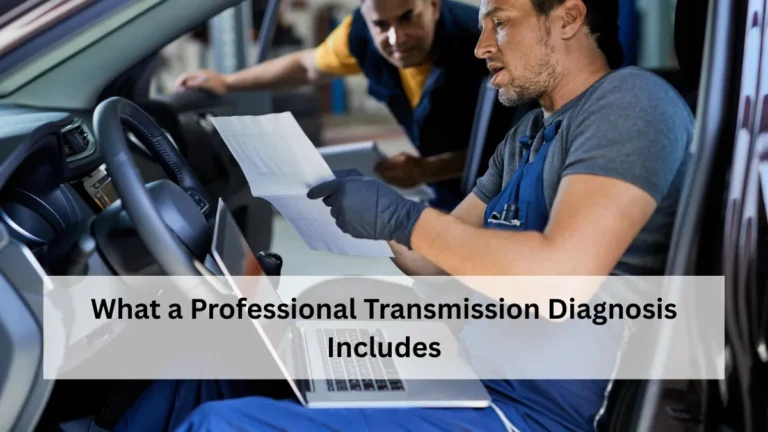
The final and most important step is having the vehicle inspected by a qualified mechanic. A professional can diagnose whether the issue is fluid-related, electrical, or mechanical. Early inspection often prevents more severe damage.
What Happens If You Delay Repairs Too Long
Delaying attention to transmission problems often leads to higher repair complexity. Small issues such as minor leaks or sensor malfunctions can turn into internal gear damage if left unresolved.
As damage progresses, repair options become more limited. What might have been a straightforward service earlier can eventually require major internal work or full replacement. More importantly, the vehicle becomes less reliable for daily use.
Drivers who rely on their car for commuting or family responsibilities may find themselves unexpectedly without transportation. This can be disruptive, especially in areas where public transit is limited.
Common Mistakes Drivers Make With Transmission Problems
One common mistake is assuming the issue will fix itself. Unlike minor noises or cosmetic issues, transmission problems rarely improve on their own.
Another mistake is continuing to drive aggressively. Hard acceleration and high-speed driving put additional stress on already weakened components. This accelerates failure.
Some drivers also ignore warning lights, assuming they are related to emissions or minor sensor issues. While not every warning light means serious trouble, it should never be dismissed without proper inspection.
Finally, using incorrect fluids or additives without understanding their purpose can cause harm. Modern transmissions are designed for specific fluid types, and mixing products can reduce performance.
Practical Tips to Reduce Further Damage
Gentle driving habits can help slow down transmission wear. Smooth acceleration, gradual braking, and avoiding heavy loads reduce stress on the system.
Keeping up with routine maintenance also matters. Even if the transmission is already showing signs of wear, clean fluid and proper cooling help prevent rapid deterioration.
Parking on level surfaces and using the parking brake properly can reduce stress on internal components, especially in automatic transmissions.
Conclusion: Addressing the Problem Early Makes a Difference
Driving with a failing transmission affects more than just vehicle performance. It impacts safety, reliability, and peace of mind. While the early signs may seem manageable, ignoring them often leads to more serious problems and unexpected breakdowns.
By understanding why transmission issues happen and recognizing warning signs early, drivers can make informed decisions. Reducing driving, practicing gentle habits, and seeking timely inspection can help prevent further damage and keep your vehicle dependable for everyday life.
FAQ’s
Can I drive short distances with a failing transmission?
In some cases, short and limited driving may be possible, especially if the problem is mild. However, each trip increases wear, and the risk of sudden failure remains. Limiting driving does not eliminate the need for inspection.
Will a failing transmission damage my engine?
A failing transmission can indirectly affect the engine. Slipping and overheating force the engine to work harder, which may contribute to additional wear over time.
How long does a transmission usually last?
Many transmissions last well over 100,000 miles with proper care. Driving conditions, maintenance habits, and vehicle design all influence lifespan.
Is it normal for transmission problems to appear suddenly?
While complete failure can feel sudden, most transmission issues develop gradually. Early warning signs often appear weeks or months before major breakdowns.
✨ You May Also Like ✨