When your car’s transmission starts acting up, it can leave you stranded on a busy El Paso street, worried about getting to work or picking up the kids. Many drivers face slipping gears, strange noises, or delayed shifts that make everyday driving stressful. Understanding how a shop like Martin’s Automatic Transmissions has earned trust over more than four decades helps you know what to look for when you need reliable service.
Common Transmission Problems Drivers Face
Automatic transmissions handle the complex job of shifting gears smoothly while you drive. In El Paso’s hot climate and hilly terrain, they work extra hard, leading to wear over time. Drivers often notice the first signs during rush hour on I-10 or while climbing into the Franklin Mountains.
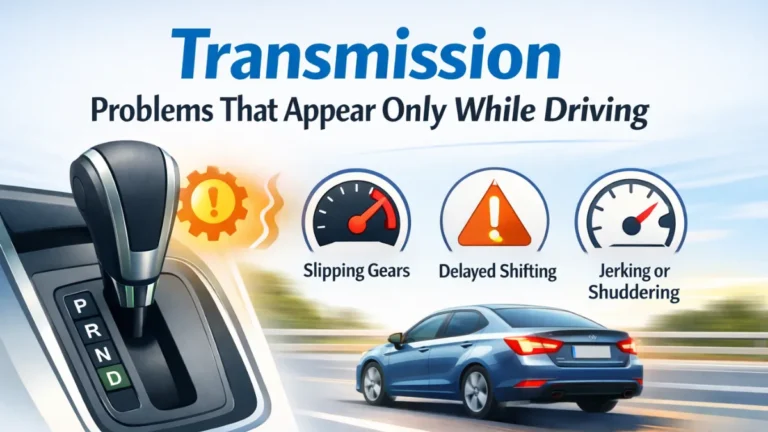
Slipping gears happen when the transmission doesn’t hold power properly, causing the engine to rev without speed gain. Harsh shifts jolt the vehicle like hitting a pothole, and fluid leaks leave red or brown puddles under the car. These issues disrupt commutes and family trips across town.
Delayed engagement, where the car hesitates before moving from park to drive, frustrates at stoplights. Overheating transmissions smell like burnt toast and trigger warning lights. Ignoring these leaves you towed and facing bigger repair bills.
Why These Problems Develop Over Time
Transmission troubles stem from everyday use mixed with skipped maintenance. Fluid acts as lubricant, coolant, and hydraulic fluid inside, but heat from El Paso’s summers breaks it down, turning it dark and thick.
Low fluid levels from leaks erode clutches and bands, the friction materials that engage gears. A worn pan gasket, common after 60,000 miles, lets fluid drip out slowly. Dirty filters clog passages, starving components of lubrication.
Overloading the vehicle, like towing a trailer up Transmountain Road without cooling upgrades, builds excess heat. Neglected changes every 30,000 to 60,000 miles let contaminants grind metal parts. Sensor failures in modern vehicles confuse the computer controlling shifts.
El Paso’s dust and stop-and-go traffic on Mesa Street accelerate wear on seals and torque converters. Without regular checks, small issues cascade into full failures, stranding drivers far from home.
Spotting Early Warning Signs
Catch problems before they worsen by paying attention to changes. Listen for whining or grinding during shifts, especially from first to second gear. Feel for vibrations through the floorboard on acceleration.
Check fluid monthly using the dipstick—healthy fluid is pink and smells clean, not burnt. Spot leaks under the car after parking overnight. Dashboard lights or erratic shifting signal electronic glitches.
Test drive behavior: Does reverse engage slower than drive? Does the car lurch into gear? Note mileage when symptoms start to share with a mechanic. Early detection saves money in the Borderland area.
Step-by-Step Diagnostic Process at a Trusted Shop
Shops like Martin’s start with a road test to replicate your complaints. They drive the vehicle under load, noting shift points and noises on local roads.
Next, technicians scan for error codes with a diagnostic tool connected to the OBD-II port. This reveals solenoid issues or sensor faults without disassembly.
They inspect externally: fluid condition, leaks from lines or the pan, and cooler lines for clogs. A pressure test gauges hydraulic performance across gears.
Lift the car for a full underneath view, checking mounts and exhaust heat damage. This methodical approach pinpoints causes accurately.
Preparing Your Vehicle for Service
Before visiting a shop, note symptoms, mileage, and maintenance history. Clear items from the trunk to ease access. Park on a flat surface for accurate fluid checks.
Gather service records showing last fluid change or filter swap. Mention recent repairs like radiator work that could affect cooling. This speeds diagnosis.
Drive gently if safe, avoiding highways to prevent further damage. Tow if slipping badly—don’t risk safety on El Paso freeways.
Detailed Transmission Repair Steps Explained
Repairs follow a proven sequence to ensure longevity. First, drain old fluid and remove the transmission from the vehicle using a lift and support cradle.
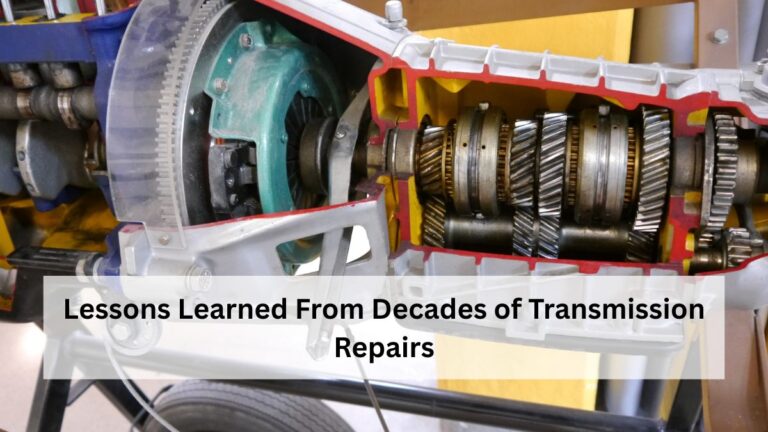
Disassemble carefully, labeling parts and laying them on a clean bench. Inspect clutches, planetary gears, valve body, and pump for wear using gauges for clearances.
Clean components in solvent baths, blowing dry with compressed air. Replace worn seals, gaskets, friction discs, and steels with OEM-quality parts.
Reassemble per factory specs: install new clutches, torque pump and converter, then bolt the valve body. Bench-test for hydraulic pressure before reinstalling.
Bolt back to the engine, reconnect lines, wiring, and linkages. Refill with specified ATF, like Dexron VI for many domestics.
Road test verifies smooth shifts through all gears, checking temperatures and leaks. Final fluid top-off completes the job.
Rebuild vs. Remanufactured: Key Differences
A rebuild tears down your unit, replacing only failed parts while keeping the core. Skilled shops like those with decades in El Paso inspect every component for hidden wear.
Remanufactured units come factory-rebuilt to new specs, often with upgrades. Choose based on your vehicle’s value and downtime needs.
Both extend life when done right, but local expertise shines in custom rebuilds for unique driving conditions.
Building Long-Term Trust Like Martin’s
Martin’s Automatic Transmissions opened in 1983 at 6992 Alameda Ave, serving El Paso families through economic shifts and automotive changes.
BBB accreditation since 1996 reflects consistent practices. Over 35-40 years, they’ve handled everything from 1980s trucks to modern CVTs, earning repeat customers.
Family-run operations prioritize clear communication—no jargon, just plain talk about findings. Warranties back work, fostering loyalty in a town where word spreads fast.
Technicians stay current with training on evolving electronics. Community involvement, like sponsoring local events, builds genuine connections beyond transactions.
Maintenance Tips for El Paso Drivers
Change fluid every 30,000-60,000 miles, sooner if towing. Use the correct type—check your manual.
Inspect for leaks monthly, especially after rain washes away dust hiding spots. Keep the cooler clean from debris on desert roads.
Avoid aggressive driving: no jackrabbit starts on Alameda. Install an auxiliary cooler for frequent hauls up to Alamogordo.
Park in shade to reduce heat soak. Monitor temps with a gauge if you pull trailers.
Common Mistakes to Avoid
Skipping fluid checks leads to unnoticed leaks turning catastrophic. Don’t add generic fluid—wrong types foam and fail.
Ignoring early slips “to get home” grinds internals. Avoid cheap rebuilds from unknown shops; experience matters.
Overfilling fluid causes foaming and erratic shifts. Never flush without expert advice—debris can clog valves.
Delaying service past warning lights risks stranding on remote stretches like US-54.
Choosing a Reliable Transmission Shop
Look for 20+ years local experience, like Martin’s since 1983. Check BBB ratings and online reviews for consistent stories.
Ask about diagnostic process and warranties. Shops explaining findings plainly build trust. Free road tests show thoroughness.
El Paso options abound, but family-owned spots understand Sun City driving stresses best.
FAQ’s
What causes transmission slipping in hot weather?
Heat thins fluid, reducing hydraulic pressure for clutches. El Paso’s summers exacerbate this; check levels weekly.
How often should I service my transmission?
Every 30,000-60,000 miles or 2-4 years. More frequent for heavy use like commuting on Loop 375.
Can I drive with a small transmission leak?
Short distances only—top off fluid and get it checked. Leaks worsen, leading to total failure.
What’s the difference between repair and rebuild?
Repair fixes specific parts; rebuild disassembles fully, replacing wear items for like-new performance.
✨ You May Also Like ✨