For many drivers in the United States, few car problems feel as confusing or stressful as transmission trouble. The vehicle may hesitate when shifting, make unfamiliar noises, or suddenly refuse to move the way it should. Because the transmission connects engine power to the wheels, even small issues can affect how a car drives, feels, and responds.
After decades of hands-on transmission repair experience across sedans, pickup trucks, SUVs, and family vans, one lesson stands out clearly. Most serious transmission failures do not start suddenly. They develop slowly, often giving clear warning signs that are missed or misunderstood. Understanding why these problems happen and how to respond early can save drivers frustration, downtime, and unnecessary repair work.
This article explains what long-term repair experience has taught about transmission problems, why they occur, and what everyday drivers can do step by step to protect their vehicles and stay informed.
Why Transmission Problems Happen Over Time
Normal Wear and Tear Adds Up
Every time a vehicle shifts gears, internal parts move, press, and rotate under heat and pressure. Over years of driving, friction materials wear down, seals harden, and metal components slowly lose their original tolerances. This is normal and unavoidable, especially in vehicles driven daily for commuting, errands, or long highway trips.
In the United States, stop-and-go traffic, long-distance driving, towing, and extreme temperatures all speed up this wear. Transmissions in urban areas often work harder than those driven mostly on open roads.
Fluid Breakdown Is a Common Root Cause
Transmission fluid plays a critical role. It cools internal parts, provides hydraulic pressure, and allows smooth gear changes. Over time, heat causes fluid to break down and lose its protective properties. When fluid becomes dirty or low, internal components begin to wear much faster.
Many drivers assume transmission fluid lasts forever because some vehicles are labeled as having “lifetime” fluid. In real-world repair experience, fluid condition matters far more than labels.
Small Issues Are Often Ignored
One of the biggest reasons transmissions fail is not design flaws or poor manufacturing. It is delayed attention. Minor symptoms such as rough shifting, brief slipping, or delayed engagement are often ignored because the car still moves.
Decades of repairs show that early action usually means simpler fixes. Waiting until the transmission stops working often leads to extensive internal damage.
Step-by-Step Lessons Learned From Long-Term Repair Experience
Step One: Pay Attention to Early Driving Changes
Transmission problems usually begin with subtle changes. The vehicle may hesitate before shifting, feel less responsive, or behave differently when cold versus warm. These changes are easy to dismiss, especially when life is busy.
Experienced repair professionals learn to trust these early signs. Drivers who notice changes early and seek inspection often avoid major repairs later.
Step Two: Understand the Importance of Fluid Condition
Fluid color, smell, and level provide valuable information. Healthy transmission fluid is typically clean and has a mild smell. Burnt odor or dark coloration often signals overheating or internal wear.
From decades of shop experience, fluid-related issues account for a large percentage of transmission complaints. Addressing fluid problems early can stabilize performance and slow further damage.
Step Three: Avoid Driving Habits That Increase Stress
Driving habits play a major role in transmission longevity. Aggressive acceleration, frequent hard stops, and towing beyond vehicle limits place extra strain on internal components.
Repair history consistently shows that vehicles driven smoothly and within design limits tend to experience fewer transmission failures, even at higher mileage.
Step Four: Respond Quickly to Warning Lights and Codes
Modern vehicles use sensors and computers to monitor transmission behavior. When warning lights appear or diagnostic codes are stored, the system is signaling a potential issue.
Ignoring these warnings often allows minor problems to grow. Early diagnostic checks frequently reveal issues that can be addressed without disassembling the transmission.
Step Five: Recognize That Maintenance Timing Matters
Waiting too long between fluid services can cause debris buildup inside the transmission. Once wear particles circulate through internal passages, they can block valves and damage seals.
Experience shows that consistent maintenance, adjusted to real driving conditions rather than ideal schedules, significantly improves transmission reliability.
Common Transmission Problems Seen Over the Years
Delayed or Harsh Shifting
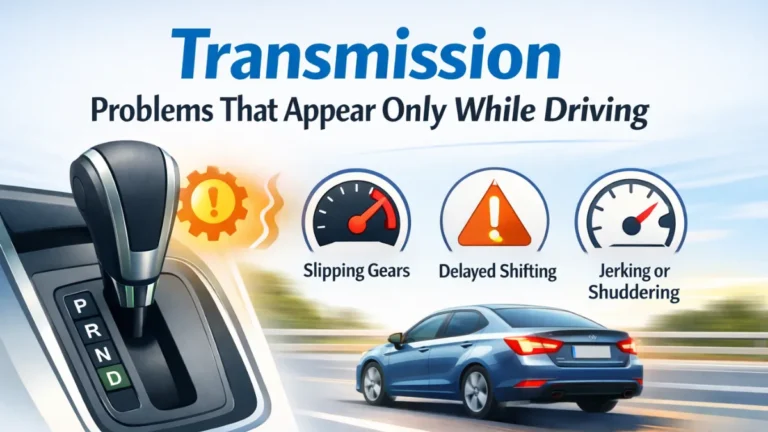
One of the most frequent complaints involves delayed engagement when shifting into drive or reverse, or harsh gear changes while driving. This often points to pressure issues inside the transmission caused by fluid problems or worn internal components.
Addressing this early can sometimes restore smooth operation without major repairs.
Slipping Gears
Slipping occurs when the engine revs increase but the vehicle does not accelerate as expected. This is often caused by worn friction materials or low hydraulic pressure.
Long-term repair experience shows that slipping rarely fixes itself. Continued driving usually worsens internal damage.
Overheating During Normal Use
Transmission overheating can happen even without heavy towing. High ambient temperatures, traffic congestion, and old fluid all contribute.
Heat is one of the leading causes of transmission failure observed over decades. Managing heat through proper maintenance is critical.
Unusual Noises or Vibrations
Grinding, whining, or clunking sounds should never be ignored. These noises often indicate mechanical wear or fluid flow problems.
Vehicles brought in soon after noise begins are often easier to diagnose and repair.
Helpful Tips and Common Mistakes to Avoid
Many drivers believe that transmission problems always mean replacement. In reality, many issues are repairable when addressed early. Assuming the worst often leads to unnecessary stress or delayed action.
Another common mistake is relying solely on mileage-based maintenance schedules without considering driving conditions. City driving, mountainous terrain, and frequent short trips all increase transmission workload.
Finally, some drivers avoid inspections because the car still drives. Decades of experience show that waiting until failure usually limits repair options.
Conclusion: What Decades of Experience Ultimately Teach
Years of transmission repair work across different vehicle types and driving environments reveal a consistent truth. Most transmission failures are not sudden or mysterious. They are the result of gradual wear combined with delayed attention.
Drivers who stay alert to early signs, respect fluid condition, and understand how daily driving habits affect their vehicles tend to experience fewer serious problems. Small actions taken early often prevent larger issues later.
Transmission care does not require technical expertise or constant worry. It requires awareness, timely response, and a basic understanding of how the system works. These lessons, learned through decades of hands-on experience, continue to help everyday drivers keep their vehicles running smoothly for years to come.
FAQ’s
How long should a transmission normally last?
In real-world driving across the United States, transmission lifespan varies widely. Vehicles that receive regular attention and are driven smoothly often exceed 150,000 miles. Those that miss early warning signs may experience issues much sooner.
Is it normal for a transmission to shift differently as it ages?
Yes, some change is normal as components wear. However, noticeable or sudden changes should be checked. Gradual aging feels different from developing problems.
Can old transmission fluid cause permanent damage?
Old or contaminated fluid can accelerate wear and cause overheating. Over time, this can lead to damage that cannot be reversed by fluid service alone.
Should I be concerned if my car hesitates only when cold?
Cold-related hesitation is common in early-stage transmission issues. While it may seem minor, long-term experience suggests it should be inspected before it worsens.
Are newer transmissions less reliable than older ones?
Modern transmissions are more complex but not necessarily less reliable. They are more sensitive to fluid condition and maintenance timing, making early care even more important.
✨ You May Also Like ✨