
Many drivers in the United States assume that major car problems always give clear warnings. A strange noise, a dashboard light, or a rough ride usually signals trouble. Automatic transmission failure often breaks that expectation. In real life, many automatic transmissions fail suddenly, without obvious signs beforehand. One day the car drives normally, and the next day it refuses to move, slips badly, or won’t shift out of gear.
This can be confusing and stressful, especially for everyday drivers who rely on their vehicles for work, school, or family needs. Understanding how and why these failures happen can help you react correctly, reduce damage, and sometimes avoid being stranded. This article explains the problem in plain language, shows the most common reasons behind sudden transmission failure, and walks through practical steps you can take as a driver.
Why Automatic Transmissions Can Fail Without Warning
Automatic transmissions are complex systems. They rely on hydraulic pressure, electronic sensors, mechanical parts, and transmission fluid working together perfectly. When one part fails quietly or suddenly, the whole system can stop working almost instantly.
Hidden Wear Inside the Transmission
Unlike brakes or tires, most transmission components are sealed inside a metal case. Clutches, bands, and internal gears wear down gradually, but drivers cannot see or feel that wear during normal driving. By the time a worn component finally fails, the transmission may lose the ability to transfer power to the wheels.
In many American vehicles, especially those driven mostly on highways, internal wear can stay unnoticed for years. Smooth roads and steady speeds hide early symptoms until a critical part finally gives out.
Transmission Fluid Problems That Don’t Show Symptoms
Transmission fluid does more than lubricate. It creates hydraulic pressure, cools internal parts, and allows smooth gear changes. Fluid problems are one of the most common causes of sudden failure.
Fluid can degrade over time due to heat. Even when the level is correct, old or contaminated fluid may lose its ability to protect internal components. In some cases, a slow internal leak lowers pressure just enough to cause sudden slipping or complete failure, without leaving visible fluid spots under the car.
Electronic Control Failures
Modern automatic transmissions depend heavily on electronics. Sensors, solenoids, and control modules manage gear shifts and pressure levels. When an electronic component fails abruptly, the transmission may enter a safety mode or stop shifting altogether.
Because these parts do not always fail gradually, there may be no warning lights or noticeable driving changes before the failure occurs. This is especially common in vehicles made in the last 15 to 20 years.
Overheating That Happens Quietly
Heat is one of the biggest enemies of automatic transmissions. Towing, stop-and-go traffic, mountain driving, or extreme summer temperatures can push transmission temperatures higher than normal.
In many cars, there is no dedicated transmission temperature gauge. Drivers may never know the transmission overheated until internal seals harden, fluid breaks down, and failure occurs suddenly days or weeks later.
Step-by-Step: What Actually Happens During a Sudden Failure
Step One: Internal Pressure Drops Unexpectedly
Automatic transmissions rely on precise hydraulic pressure. When a seal fails, a solenoid sticks, or fluid loses viscosity, pressure drops. This can happen instantly, especially at highway speeds or during gear changes.
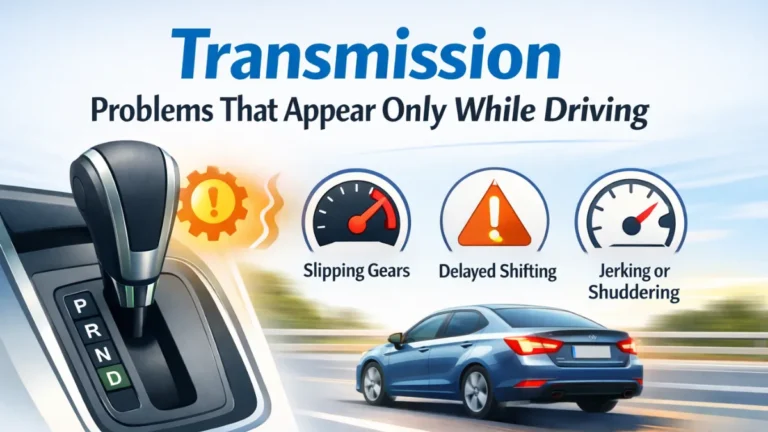
At this stage, the driver may feel a brief hesitation or a single rough shift. Often, it is so subtle that it gets ignored.
Step Two: Gears Slip or Stop Engaging
Once pressure becomes unstable, clutches inside the transmission cannot hold properly. The engine may rev normally, but the vehicle does not accelerate as expected. In some cases, the car will not move forward or backward at all.
This stage can appear suddenly, such as when pulling away from a traffic light or shifting from park into drive.
Step Three: Safety Mode or Complete Loss of Drive
Many modern vehicles enter a protective setting commonly called limp mode. The car may be stuck in one gear, usually second or third, to reduce damage. Older vehicles may lose all drive immediately.
At this point, the transmission failure becomes obvious, but the internal damage has already occurred.
Common Real-Life Scenarios in the United States
In suburban areas, drivers often experience sudden failure after years of short trips. Frequent cold starts and brief drives prevent the transmission from reaching ideal operating temperature, accelerating internal wear.
In rural states, towing trailers or farm equipment without realizing the vehicle’s towing limits can silently overheat the transmission. The failure may occur weeks later during normal driving.
In large cities, constant stop-and-go traffic increases heat and stress on internal components. Many drivers assume city driving is gentle, but automatic transmissions work harder in traffic than on open highways.
What to Do Immediately When It Happens
Stay Calm and Assess the Situation
If your car suddenly loses power or refuses to shift, ease off the accelerator and safely pull over if possible. Avoid revving the engine aggressively, as this can worsen internal damage.
Turn the engine off and wait a minute before restarting. Sometimes electronic systems reset temporarily, allowing limited movement to a safe location. This is not a fix, but it may help you get off the road.
Check for Obvious Signs Without Driving Further
Look under the vehicle for signs of fluid leaking. A strong burning smell can indicate overheated fluid. If the car will not move or shifts violently, continued driving can cause additional damage.
At this stage, towing the vehicle is often safer than attempting to drive it further.
Document What You Experienced
Make a mental or written note of what happened just before the failure. Sudden hesitation, a noise, or a warning message can help a technician diagnose the issue more accurately later.
How These Failures Are Diagnosed
Initial Electronic Scan
Technicians usually begin with an electronic scan to check for fault codes. Even if no dashboard warning light appeared, stored codes can reveal sensor or solenoid problems.
This step helps determine whether the issue is electronic or mechanical.
Fluid Inspection and Pressure Testing
Transmission fluid condition tells an important story. Burnt smell, dark color, or debris can indicate internal wear. Pressure tests measure whether the transmission can maintain proper hydraulic pressure under load.
Low pressure often confirms internal seal or pump issues.
Mechanical Inspection If Needed
If electronic and fluid checks suggest internal damage, the transmission may need to be partially or fully disassembled. This is usually the final step and confirms whether repair or replacement is necessary.
Common Mistakes That Make Sudden Failure Worse
Many drivers continue driving when early symptoms appear, assuming the problem will go away. This can turn a minor issue into a major failure.
Another common mistake is ignoring manufacturer service intervals for transmission fluid. Even vehicles labeled as having “lifetime fluid” can experience fluid breakdown under real-world conditions.
Using the wrong type of transmission fluid during a top-off or service can also cause delayed but sudden failure, especially in newer vehicles with precise fluid requirements.
How to Reduce the Risk Going Forward
Pay Attention to Subtle Changes
A slight delay when shifting, occasional rough gear changes, or unexplained revving should not be ignored. These small signs often appear briefly before a sudden failure.
Addressing them early can prevent further damage.
Maintain Cooling and Fluid Health
Ensuring that cooling systems work properly helps protect the transmission. Radiator issues can affect transmission cooling in many vehicles, especially those common in the U.S. market.
Periodic fluid checks and changes based on real driving conditions, rather than marketing claims, can extend transmission life.
Adjust Driving Habits When Needed
Avoid aggressive acceleration when the vehicle is cold. Give the transmission time to warm up, especially in winter climates.
When towing or carrying heavy loads, respect the vehicle’s limits. Extra strain without proper cooling can shorten transmission life significantly.
Conclusion
Automatic transmissions often fail quietly, without the dramatic warnings drivers expect. Their sealed design, reliance on fluid pressure, and dependence on electronics make sudden breakdowns more common than many people realize.
By understanding why these failures happen and recognizing subtle changes early, drivers can respond more effectively when problems appear. While not every failure can be prevented, informed decisions and careful attention can reduce stress, limit damage, and help you handle the situation safely when the unexpected happens.
FAQ’s
Can an automatic transmission really fail with no warning at all?
Yes, it can. Many internal or electronic failures happen suddenly, especially when seals, sensors, or solenoids fail without gradual symptoms.
Does lack of warning mean the transmission was poorly maintained?
Not always. Even well-maintained transmissions can experience sudden failures due to age, heat, or electronic issues beyond routine maintenance.
Is it safe to drive a short distance after sudden transmission problems start?
It depends on the symptoms. Mild hesitation may allow limited movement, but slipping, grinding, or refusal to shift usually means driving further could cause more damage.
Do warning lights always come on before failure?
No. Some transmission-related issues do not trigger warning lights immediately, especially if the failure is mechanical rather than electronic.
✨ You May Also Like ✨