For decades, car repair shops across the United States were built on hands-on experience. Mechanics learned by listening to engines, feeling vibrations, and understanding how metal parts worked together. Automatic transmissions existed, but they were mostly mechanical and predictable.
Then modern automatic transmissions arrived. Computers took over tasks once handled by springs, gears, and valves. Many experienced mechanics suddenly faced a problem they never expected: their trusted methods were no longer enough on their own.
This article explains why that change happened, how old-school mechanics adapted step by step, and what everyday drivers can learn from this transition. The goal is to help you understand modern vehicles better, even if you are not a mechanic.
Why the Problem Happened: Cars Changed Faster Than Skills
Mechanical Systems Became Digital Systems
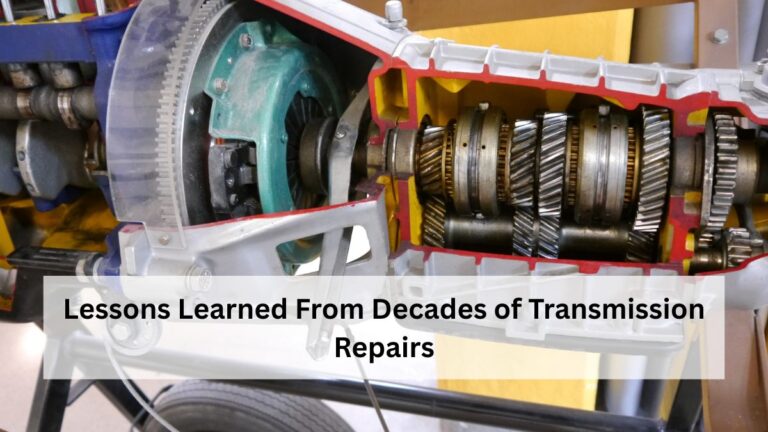
Older automatic transmissions relied mainly on hydraulic pressure and physical components. A mechanic could remove a pan, inspect parts, and often diagnose problems by sight or feel.
Modern automatic transmissions use sensors, software, and electronic control units. These systems adjust shift timing, fuel efficiency, and performance based on real-time data. Problems often appear as warning lights or drivability issues rather than obvious mechanical failures.
This shift meant that experience alone was no longer enough. A mechanic needed to understand how software decisions affected mechanical behavior.
Vehicle Designs Became More Complex
In the past, transmissions were largely standalone systems. Today, they communicate constantly with the engine, brakes, traction control, and even navigation systems.
A shifting issue might be caused by a sensor, wiring problem, or software update rather than a worn gear. That complexity made traditional troubleshooting slower and less reliable without new tools and knowledge.
Customer Expectations Increased
Drivers now expect smoother shifts, better fuel economy, and fewer breakdowns. Modern automatic transmissions are designed to meet those expectations, but they require precise calibration.
Old-school mechanics felt pressure not just to fix cars, but to fix them correctly the first time. That pushed many to adapt rather than retire early.
Step One: Accepting That Learning Was Necessary
Letting Go of Pride
One of the hardest steps for experienced mechanics was admitting they needed to learn new skills. Many had decades of experience and loyal customers.
The solution began with a mindset shift. Successful mechanics accepted that learning electronics and diagnostics did not erase their experience. Instead, it expanded it.
In many U.S. shops, younger technicians helped older mechanics understand scan tools and software while learning mechanical intuition in return. This cooperation became common and effective.
Understanding That Basics Still Matter
Even with computers involved, transmissions still rely on fluid pressure, friction materials, and moving parts. Mechanics learned that modern systems build on old principles rather than replacing them entirely.
Recognizing this connection helped reduce frustration and made learning feel more manageable.
Step Two: Learning to Use Diagnostic Tools
Getting Comfortable With Scan Tools
Modern automatic transmissions store error codes when something goes wrong. Old-school mechanics had to learn how to read, interpret, and verify those codes.
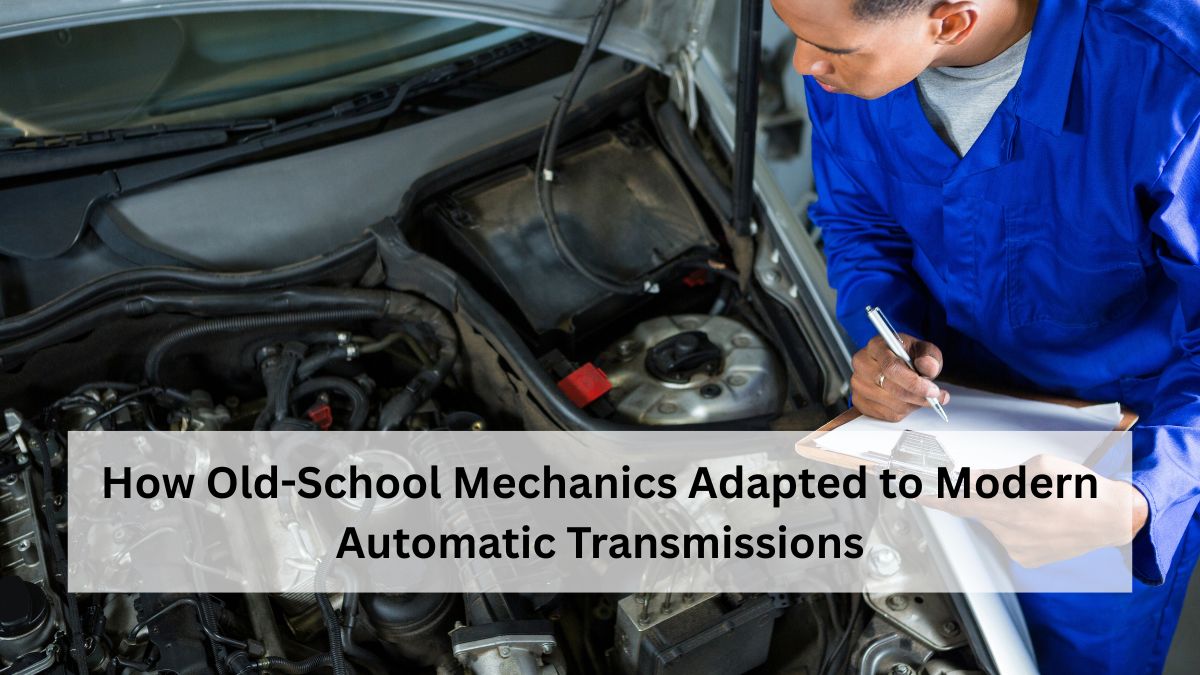
The process usually started with connecting a scan tool, reviewing transmission-related codes, and checking live data such as fluid temperature and shift commands.
Instead of guessing, mechanics learned to confirm what the system believed was happening before touching any parts.
Combining Data With Experience
A scan tool might show a sensor error, but experience helps determine whether the sensor is faulty or reacting to another problem.
This step-by-step approach reduced unnecessary repairs and improved accuracy. Mechanics discovered that their instincts were still valuable when guided by reliable data.
Step Three: Understanding Transmission Software Behavior
Learning How Software Controls Shifting
Modern automatic transmissions shift based on driving conditions. Acceleration, load, road grade, and temperature all affect decisions made by the control module.
Old-school mechanics learned to test-drive vehicles while monitoring data. This helped them understand why a transmission behaved differently than older models.
By observing patterns rather than isolated symptoms, they could identify whether behavior was normal or a sign of trouble.
Adapting to Software Updates and Relearning
Some modern transmissions require software updates or relearning procedures after repairs. These steps were unfamiliar at first.
Mechanics adapted by following manufacturer procedures carefully and verifying results through test drives. Over time, these steps became routine rather than intimidating.
Step Four: Updating Shop Practices and Workflows
Investing in Training and Information
Many experienced mechanics attended evening classes, online courses, or manufacturer training programs. These programs focused on electronics, diagnostics, and transmission-specific systems.
The solution was not overnight mastery, but steady improvement. Even one new concept at a time made a noticeable difference in confidence and accuracy.
Adjusting Diagnostic Time Expectations
Modern transmission diagnosis often takes longer than older mechanical inspections. Shops adapted by scheduling time for proper testing rather than rushing repairs.
This change reduced comebacks and improved customer trust. Mechanics learned that careful diagnosis saved time in the long run.
Step Five: Applying Old Skills in New Ways
Using Sensory Skills Differently
Listening to noises, feeling vibrations, and observing shift quality still matter. The difference is that these observations now guide digital diagnostics rather than replace them.
For example, a subtle shudder during shifting might lead a mechanic to check torque converter lockup data instead of tearing down the transmission immediately.
Keeping Fluid Knowledge Relevant
Transmission fluid remains critical. Old-school mechanics already understood the importance of clean fluid and correct levels.
They adapted by learning about newer fluid types and monitoring temperature and pressure data to prevent damage.
Common Mistakes Mechanics Learned to Avoid
Relying Only on Error Codes
Error codes point to symptoms, not always causes. Mechanics learned not to replace parts blindly based on codes alone.
Confirming wiring integrity, fluid condition, and mechanical function became standard practice.
Skipping Test Drives With Data Monitoring
Driving without monitoring live data can miss important clues. Mechanics adapted by combining road tests with real-time diagnostics.
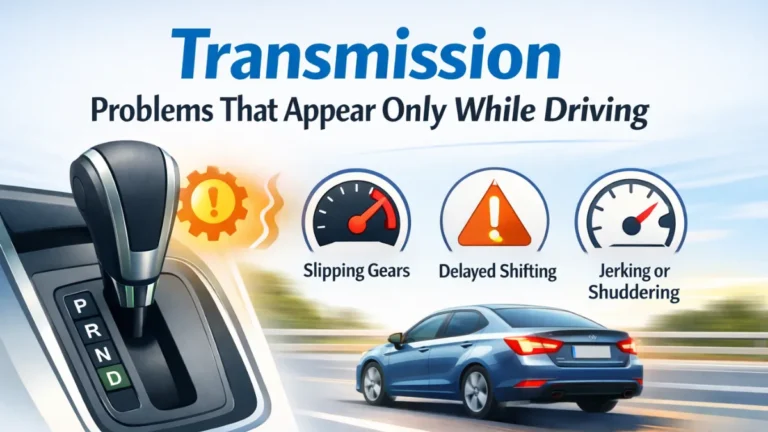
This approach helped identify intermittent issues that only appear under specific conditions.
Ignoring Software Procedures
Skipping relearn steps or updates often caused new problems. Mechanics learned that following procedures fully was essential, even if it felt unnecessary at first.
What Everyday Drivers Can Learn From This Change
Modern Cars Require a Different Kind of Care
Drivers benefit from understanding that modern automatic transmissions are sensitive systems. Proper maintenance and accurate diagnosis matter more than ever.
This knowledge helps drivers communicate better with repair shops and understand why some issues take time to diagnose.
Experience Still Matters
The best results often come from mechanics who combine old-school experience with modern tools. Their ability to understand both worlds leads to more accurate repairs.
For drivers, choosing a shop that values learning and experience can make a real difference.
Conclusion: Experience Evolved, Not Replaced
Old-school mechanics faced a real challenge when modern automatic transmissions became the norm. The problem was not a lack of skill, but a shift in how vehicles functioned.
By accepting the need to learn, mastering diagnostic tools, understanding software behavior, and adapting shop practices, many mechanics successfully bridged the gap between past and present.
Their journey shows that experience does not become obsolete. It evolves. For everyday drivers, this means modern cars are often best cared for by professionals who respect both traditional knowledge and modern technology.
Understanding this transition helps build trust, improves communication, and leads to better care for today’s vehicles.
FAQ’s
Do modern automatic transmissions break more often than older ones?
Modern transmissions are designed for efficiency and comfort. While they are more complex, proper maintenance and accurate diagnosis help them last just as long as older designs.
Why does transmission repair cost more today?
Diagnosis involves advanced tools, training, and time. Repairs often require precise procedures rather than simple part replacement.
Can an experienced mechanic still work on new cars effectively?
Yes. Many experienced mechanics successfully adapted by learning diagnostics and software basics while using their mechanical knowledge.
Why do some transmission problems not show clear symptoms?
Software-controlled systems may adjust behavior to protect components. This can hide problems until data is reviewed.
✨ You May Also Like ✨