Many drivers in the United States rely on automatic transmissions every day, yet a surprising number are unsure how they really work. This confusion often shows up as rough gear changes, strange noises, poor fuel efficiency, or simple anxiety about whether the car is being driven correctly. Beginners may feel overwhelmed by the gear selector, while experienced drivers sometimes develop habits that quietly reduce a vehicle’s lifespan.
Understanding automatic transmission basics is not about becoming a mechanic. It is about knowing enough to drive smoothly, avoid common mistakes, and recognize early warning signs before small issues turn into expensive repairs. This article explains automatic transmissions in clear, everyday language, based on real driving situations common on U.S. roads.
Why Automatic Transmission Problems Happen
Automatic transmission problems usually start with a lack of understanding rather than bad intentions. Most drivers are never taught what happens after they move the gear lever into Drive or Reverse. They assume the car will manage everything on its own, no matter how it is driven.
Modern automatic transmissions are complex systems made up of gears, fluid, sensors, and electronic controls. They rely on precise timing and proper fluid pressure to shift smoothly. When a driver shifts too quickly, ignores warning signs, or uses the wrong driving habits, the system is forced to work harder than it should. Over time, this extra stress can lead to slipping, delayed engagement, or overheating.
Environmental factors also play a role. Stop-and-go traffic in cities like Los Angeles or New York, long highway commutes in Texas, and extreme temperatures in places like Arizona or Minnesota all affect how an automatic transmission performs. Understanding the basics helps drivers adapt their habits to these real-world conditions.
What an Automatic Transmission Actually Does
An automatic transmission allows a car to change gears on its own, without the driver manually operating a clutch. Its main job is to match engine speed with vehicle speed so the car can accelerate smoothly and efficiently.
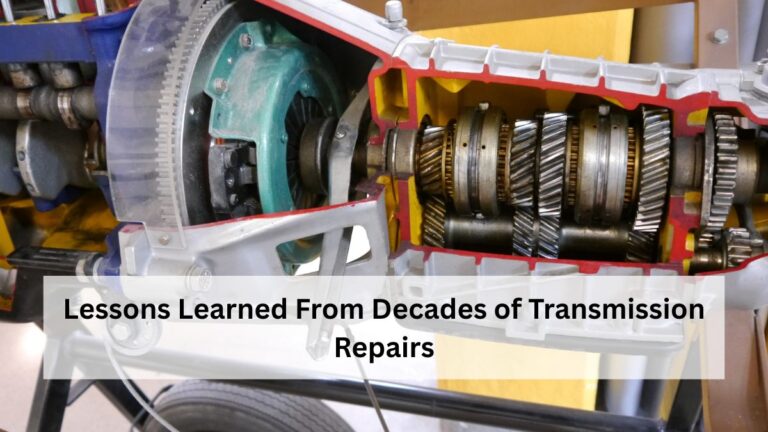
Inside the transmission, a set of gears works together with transmission fluid to transfer power from the engine to the wheels. A torque converter replaces the manual clutch and allows the vehicle to stop without stalling the engine. Sensors and control modules decide when to shift gears based on speed, throttle input, and driving conditions.
For the driver, all of this complexity is hidden behind a simple gear selector. Understanding what each position means and how to use it correctly is the foundation of good automatic transmission care.
Understanding the Gear Selector
Park and Why It Matters
Park locks the transmission so the vehicle cannot roll. It should only be engaged when the car is completely stopped. Shifting into Park while the vehicle is still moving, even slightly, puts unnecessary strain on internal components. On steep hills, relying only on Park instead of the parking brake can also stress the transmission over time.
Reverse and Smooth Engagement
Reverse changes the direction of the vehicle’s movement. It is designed for slow, controlled motion. Shifting into Reverse before the car has fully stopped can cause harsh engagement and long-term wear. Taking a brief pause after stopping allows the transmission to engage properly.
Neutral and When It Is Useful
Neutral disconnects the engine from the wheels. It is useful during certain car washes or when the vehicle needs to be pushed short distances. In normal driving, shifting into Neutral at stoplights is unnecessary and can actually increase wear if done repeatedly.
Drive and Everyday Use
Drive is the main setting for forward motion. The transmission automatically shifts through gears as speed changes. Smooth acceleration and consistent throttle input help the system choose the best gear without stress.
Lower Gears and Special Modes
Many vehicles include lower gear options such as L, 2, or 1, or special modes for towing or hills. These settings limit upshifts and provide more engine braking. They are helpful on steep mountain roads or when carrying heavy loads, which is common for drivers in rural or mountainous parts of the U.S.
Step-by-Step: How to Drive an Automatic Transmission Properly
Step One: Starting the Vehicle Correctly
When starting the car, ensure the gear selector is in Park and your foot is firmly on the brake pedal. This allows the transmission to engage safely. After starting the engine, give it a moment to stabilize before shifting. This brief pause helps transmission fluid circulate properly, especially in cold weather.
Step Two: Shifting Into Gear Smoothly
Move the gear selector into Drive or Reverse only after the vehicle is fully stopped. Apply steady pressure rather than forcing the lever. Once in gear, wait a second before releasing the brake. This allows the transmission to engage fully and reduces jolting.
Step Three: Accelerating With Control
Press the accelerator smoothly rather than aggressively. Sudden throttle inputs force the transmission to downshift quickly, which increases heat and wear. Gradual acceleration is especially important in city traffic, where frequent stops and starts already challenge the system.
Step Four: Handling Stops and Traffic
At stoplights and in traffic jams, keep the vehicle in Drive with your foot on the brake. Modern automatic transmissions are designed for this. Constantly shifting between Drive and Neutral offers no real benefit and can increase internal wear.
Step Five: Parking the Right Way
When parking, come to a complete stop, engage the parking brake first, and then shift into Park. This method prevents the vehicle’s weight from resting entirely on the transmission’s locking mechanism. On hills, this simple habit can make a noticeable difference over time.
Common Automatic Transmission Mistakes to Avoid
Many transmission issues come from habits drivers do not realize are harmful. One common mistake is shifting between Drive and Reverse while the car is still rolling, such as during quick parking maneuvers. This causes internal components to clash before they are properly aligned.
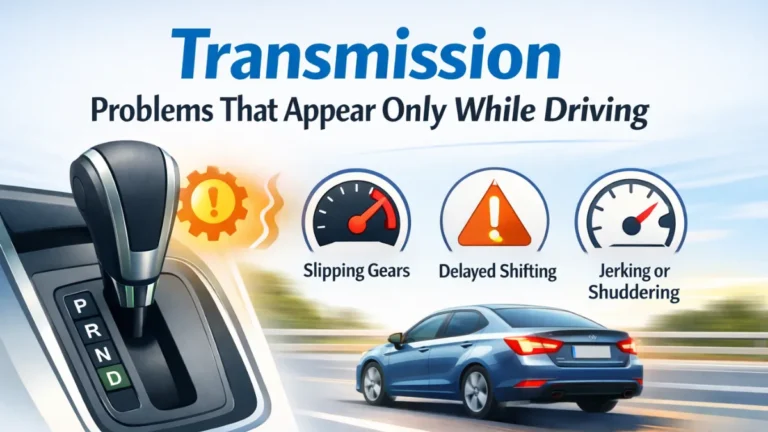
Another frequent issue is ignoring warning signs. Delayed shifting, burning smells, or unusual noises are often dismissed as normal aging. In reality, these signs usually indicate fluid issues or early mechanical wear that should be checked promptly.
Using the accelerator to hold the car in place on hills instead of the brake is also problematic. This puts unnecessary strain on the transmission and increases heat buildup, especially in heavy traffic or hot climates.
How Transmission Fluid Affects Performance
Transmission fluid plays a critical role in automatic transmission operation. It lubricates moving parts, transfers power, and helps regulate temperature. Low or degraded fluid can cause slipping, rough shifts, or overheating.
Many newer vehicles advertise “lifetime” transmission fluid, which can be misleading. While some systems require less frequent service, fluid still breaks down over time, especially under heavy use. Stop-and-go commuting, towing, and extreme temperatures common in the U.S. can accelerate fluid wear.
Checking the owner’s manual for service recommendations and paying attention to how the vehicle feels during shifts can help drivers stay ahead of problems without guessing.
Driving in Special U.S. Conditions
City Traffic and Short Trips
Urban driving involves frequent stops, low speeds, and constant gear changes. Smooth acceleration and patience are key. Short trips where the transmission never fully warms up can also contribute to fluid breakdown over time.
Highway Driving and Long Commutes
Highway driving is generally easier on automatic transmissions, as gears remain steady for long periods. Maintaining consistent speed and avoiding sudden acceleration helps keep temperatures stable during long commutes.
Hills, Mountains, and Towing
In hilly areas or when towing, using lower gears or designated tow modes can reduce strain. These settings help control speed without overusing the brakes and prevent excessive gear hunting.
Extreme Heat and Cold
In hot states, transmission fluid can overheat more easily, especially in traffic. In cold regions, allowing the vehicle a short warm-up period helps fluid flow properly. Gentle driving during the first few minutes makes a noticeable difference.
Conclusion: Confidence Comes From Understanding
Automatic transmissions are designed to make driving easier, but they still depend on informed use. Most problems arise not from defects, but from habits formed without clear guidance. By understanding what the transmission does, how gear selections work, and how everyday driving choices affect the system, drivers can operate their vehicles with more confidence and care.
Simple actions such as smooth shifting, controlled acceleration, and proper parking habits can make a meaningful difference over time. Whether you are a new driver, a daily commuter, or someone who has been driving for decades, knowing these basics helps ensure a smoother, more reliable driving experience on American roads.
FAQ’s
Is it bad to shift into Neutral at stoplights?
For most modern vehicles, staying in Drive at stoplights is perfectly fine. Automatic transmissions are designed to handle this situation without damage. Shifting into Neutral repeatedly can actually increase wear on certain components over time.
Can I damage my transmission by accelerating too fast?
Occasional strong acceleration is not usually harmful, but making a habit of aggressive starts can increase heat and stress. Smooth, controlled acceleration helps extend the life of the transmission, especially in daily commuting.
Do automatic transmissions need regular maintenance?
Yes, even though they require less attention than manual transmissions, automatic systems still benefit from periodic checks. Following the manufacturer’s recommendations and paying attention to changes in performance are practical steps for most drivers.
Why does my car hesitate before moving?
Hesitation can be caused by low or worn transmission fluid, cold temperatures, or early mechanical wear. If the delay becomes noticeable or worsens, it is a sign that the system should be inspected.
Is it okay to use lower gears while driving downhill?
Using lower gears on long downhill stretches is often helpful. It provides engine braking and reduces brake wear. This practice is common and appropriate in mountainous areas.
✨ You May Also Like ✨