Automatic transmissions are designed to make driving easier. You shift into gear, press the pedal, and the car does the rest. For many drivers in the United States, especially commuters, students, and seniors, this convenience is taken for granted.
The problem is that automatic transmissions rarely fail suddenly. Instead, they wear down slowly over time. Many of the habits that cause this damage feel normal and harmless during everyday driving. By the time warning signs appear, the transmission has often been under stress for years.
Understanding how daily driving habits affect an automatic transmission can help drivers avoid costly repairs and extend the life of their vehicle. This article explains why the damage happens, how common habits contribute to it, and what practical steps drivers can take to reduce long-term wear.
Why Automatic Transmissions Are Sensitive to Driving Habits
An automatic transmission is a complex system made up of gears, clutches, bands, sensors, and hydraulic fluid. All of these parts must work together smoothly. Unlike a manual transmission, where the driver controls gear changes directly, an automatic transmission relies on internal pressure, timing, and heat management.
Heat is the biggest enemy of automatic transmissions. Friction inside the transmission generates heat, and excessive heat breaks down transmission fluid. Once the fluid loses its protective properties, internal parts begin to wear faster.
Driving habits play a major role in how much heat and stress the transmission experiences. Small actions repeated every day can slowly reduce reliability, even if the vehicle is otherwise well maintained.
Habit One: Shifting Gears Before the Car Fully Stops
Many drivers shift from reverse to drive, or drive to reverse, before the car comes to a complete stop. This often happens when parking, making three-point turns, or backing out of a driveway in a hurry.
Inside the transmission, gears and clutches are still moving when the vehicle has not fully stopped. Shifting gears forces those components to abruptly change direction. Over time, this causes extra wear on clutch packs and internal components.
Step one to reduce this damage is to make a complete stop before changing gears. Pause for a second with your foot firmly on the brake. This brief moment allows internal parts to settle and reduces shock inside the transmission.
Habit Two: Riding the Brake and Gas Pedal in Traffic
Stop-and-go traffic is common in many U.S. cities. Drivers often keep light pressure on the gas while braking gently to creep forward. While this feels smooth, it puts constant strain on the transmission.
When the transmission is partially engaged, it creates friction without fully locking gears. This generates heat and accelerates fluid breakdown. Over time, this habit can shorten the life of internal components.
Step two is to fully brake when stopped and fully release the gas. When it’s time to move, apply steady acceleration rather than constant feathering. This allows the transmission to engage gears more cleanly and reduces unnecessary heat.
Habit Three: Aggressive Acceleration From a Stop
Quick starts feel powerful, but they place heavy stress on an automatic transmission. Hard acceleration forces the transmission to downshift aggressively and apply maximum hydraulic pressure to clutches.
This repeated strain wears out clutch packs faster, especially in older vehicles or those with high mileage. It also increases fluid temperature, which can cause long-term damage.
Step three is to accelerate smoothly from a stop. This does not mean driving slowly, but rather pressing the gas pedal gradually. Smooth acceleration allows gear changes to happen at the proper time and reduces internal shock.
Habit Four: Using the Wrong Gear on Hills
Some drivers rely solely on the “Drive” position when going up or down steep hills. While modern transmissions are designed to handle hills, constant gear hunting can occur if the transmission keeps shifting up and down.
On long uphill climbs, this repeated shifting creates heat and unnecessary wear. On downhill slopes, relying only on brakes instead of engine braking can lead to overheating and added transmission stress.
Step four involves using lower gear settings when appropriate. Many vehicles have options like “L,” “2,” or “Manual” mode. Using these settings on hills can help maintain steady speeds and reduce constant gear changes.
Habit Five: Idling in Gear for Long Periods
Sitting in traffic or waiting in a parking lot with the car in “Drive” and the brake pressed seems harmless. However, the transmission remains partially engaged, creating heat even though the car is not moving.
Extended idling in gear can raise transmission fluid temperature, especially in hot climates or during summer months. Over time, this contributes to fluid breakdown.
Step five is to shift into “Park” or “Neutral” during long stops when safe to do so. This reduces internal pressure and allows the transmission to cool slightly.
Habit Six: Towing or Hauling Without Proper Preparation
Many drivers tow trailers, boats, or campers without realizing how much extra strain this places on the transmission. Even carrying heavy loads regularly can cause similar stress.
Towing increases heat, forces frequent downshifts, and places extra pressure on gears. Without proper driving adjustments, damage can occur slowly but steadily.
Step six is to drive conservatively when towing or hauling. Maintain steady speeds, avoid sudden acceleration, and use lower gears when needed. If towing is frequent, ensuring the vehicle is rated for the load is critical.
Habit Seven: Ignoring Early Warning Signs
Automatic transmissions often give subtle warnings before major problems appear. These signs are easy to ignore because the vehicle still moves and seems functional.
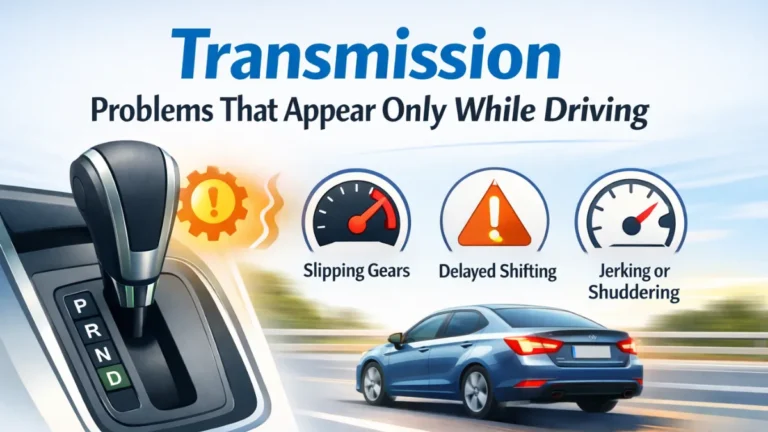
Delayed shifting, rough gear changes, slipping, or unusual noises can all indicate early wear. Continuing to drive without addressing these signs allows damage to spread internally.
Step seven is to pay attention to changes in how the car feels. Addressing small issues early often prevents more serious problems later.
Common Mistakes Drivers Make Without Realizing It
Many drivers believe that automatic transmissions are maintenance-free. While they require less attention than manuals, they still depend on clean fluid and proper use.
Another common mistake is assuming that newer vehicles are immune to damage. While technology has improved, modern transmissions are often more complex and sensitive to heat and driving behavior.
Some drivers also assume that occasional bad habits do not matter. In reality, repeated small stresses over thousands of miles have a cumulative effect.
How Driving Environment Affects Transmission Wear
Urban driving tends to be harder on transmissions than highway driving. Frequent stops, traffic congestion, and short trips prevent the transmission from operating at stable temperatures.
In contrast, steady highway speeds allow gears to remain engaged consistently, reducing heat and wear. Drivers who mainly commute in cities should be especially mindful of their habits.
Weather also plays a role. Extreme heat increases fluid temperature, while cold weather can thicken fluid and affect shifting behavior until the vehicle warms up.
Practical Adjustments That Make a Real Difference
Changing driving habits does not require advanced knowledge or special tools. Small adjustments made consistently can significantly reduce long-term wear.
Giving the transmission time to warm up in cold weather helps fluid circulate properly. Avoiding sudden gear changes and unnecessary idling reduces internal stress.
Being patient during parking maneuvers and traffic situations protects internal components that are otherwise strained by rushed movements.
FAQ’s
Can careful driving really extend transmission life?
Yes, careful driving reduces heat and mechanical stress. Over time, this slows wear on internal components and helps the transmission operate more smoothly for longer.
Is stop-and-go traffic unavoidable damage?
Stop-and-go traffic itself is not damaging, but how drivers handle it matters. Smooth braking, steady acceleration, and avoiding constant pedal feathering reduce strain.
Does using cruise control help the transmission?
On highways, cruise control can help maintain steady speeds, which reduces unnecessary shifting. However, it should not be used in heavy traffic or on steep hills.
Should I shift to neutral at red lights?
For short stops, staying in drive is usually fine. For longer stops, shifting to park or neutral can reduce heat and internal pressure.
✨ You May Also Like ✨