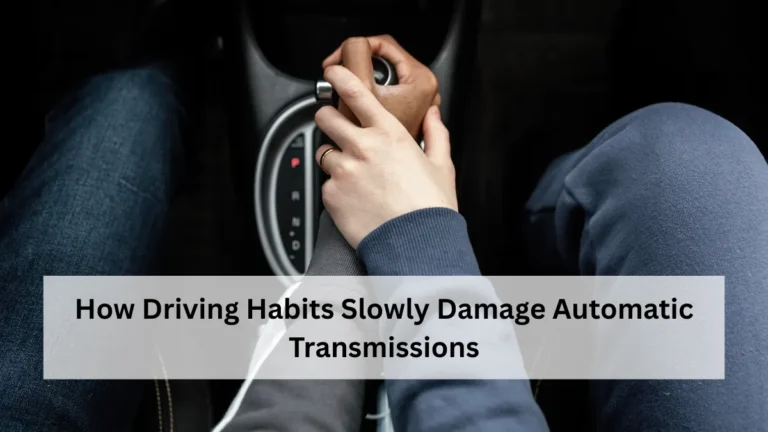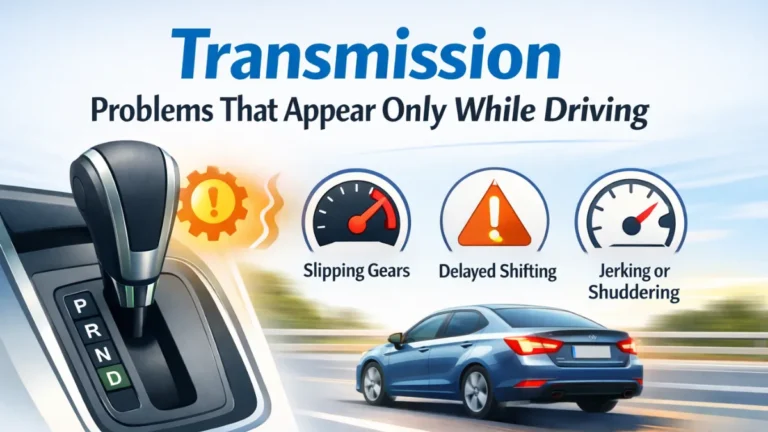
Automatic transmissions are built to make driving easier, smoother, and more comfortable. For many drivers in the United States, they are simply part of daily life. You shift into Drive, press the gas, and go. Because the system works quietly in the background, it is easy to assume it will last forever as long as the car still moves.
The problem is that certain everyday driving habits slowly wear down an automatic transmission without showing immediate warning signs. There may be no loud noise, no dashboard light, and no sudden failure at first. Damage often builds over months or years until repairs become expensive and unavoidable.
This article explains how common driving habits can slowly damage automatic transmissions, why this happens, and what you can do step by step to reduce unnecessary wear. The goal is not to scare you, but to help you drive in a way that supports the long-term health of your vehicle.
Why Automatic Transmissions Are Sensitive to Driving Habits
An automatic transmission is a complex system made up of gears, clutches, bands, valves, sensors, and transmission fluid. All of these parts must work together under heat and pressure. Unlike a manual transmission, where the driver controls gear changes directly, an automatic system relies on hydraulic pressure and electronic commands.
Transmission fluid plays a critical role. It lubricates moving parts, transfers power, and helps control temperature. When driving habits create excess heat, sudden stress, or poor fluid circulation, internal components wear faster. Over time, even small stresses repeated daily can shorten the life of the transmission.
In the United States, driving conditions such as stop-and-go traffic, long highway commutes, extreme summer heat, and cold winter starts can already challenge transmissions. Certain habits make these conditions even harder on the system.
Habit One: Shifting Between Drive and Reverse Too Quickly
The Problem
Many drivers shift from Reverse to Drive, or Drive to Reverse, before the vehicle has come to a complete stop. This often happens when backing out of a driveway, parking space, or garage.
Why It Causes Damage
When the vehicle is still moving, the transmission components are rotating in one direction. Shifting too quickly forces the transmission to suddenly reverse that rotation. This puts heavy stress on internal clutches and gears. Over time, repeated stress can cause premature wear or slipping.
In automatic transmissions, this habit is especially harmful because the system uses hydraulic pressure to engage gears smoothly. Sudden direction changes interrupt that process.
Step-by-Step Solution
First, always bring the vehicle to a full stop using the brake. Second, keep your foot firmly on the brake pedal. Third, shift into the desired gear and pause briefly before pressing the gas. This short pause allows hydraulic pressure to stabilize and reduces shock to internal components.
Habit Two: Riding the Brake While Driving
The Problem
Some drivers lightly rest their foot on the brake pedal while driving, especially in traffic or on hills. Others brake frequently instead of allowing the car to slow naturally.
Why It Causes Damage
Riding the brake creates extra heat in the braking system, but it also affects the transmission. Automatic transmissions downshift based on speed and load. Constant braking can cause frequent, unnecessary gear changes. These repeated shifts increase wear on clutches and raise transmission temperatures.
Heat is one of the biggest enemies of transmission longevity. Even small increases over time can break down transmission fluid faster.
Step-by-Step Solution
Start by keeping your foot completely off the brake unless you are actively slowing or stopping. Allow the car to coast when safe and appropriate. Maintain a steady following distance so you can brake gradually instead of repeatedly. On long downhill stretches, use lower gears if your vehicle allows it, rather than constant braking.
Habit Three: Accelerating Hard from a Stop
The Problem
Quick acceleration from traffic lights or stop signs is common, especially when merging or trying to keep up with traffic. While occasional brisk acceleration is normal, doing it frequently can be harmful.
Why It Causes Damage
Hard acceleration forces the transmission to shift quickly under high load. This creates more friction and heat inside the transmission. Over time, internal clutches wear down faster, leading to rough shifts or slipping.
In city driving, where stops are frequent, aggressive acceleration can significantly shorten transmission life.
Step-by-Step Solution
Begin by pressing the accelerator smoothly instead of suddenly. Allow the transmission to shift gradually. Plan ahead so you do not feel rushed at intersections. Smooth, steady acceleration reduces internal stress and improves fuel efficiency at the same time.
Habit Four: Using the Wrong Gear on Hills
The Problem
Some drivers rely entirely on Drive when traveling uphill or downhill, even when the vehicle is struggling or frequently shifting gears.
Why It Causes Damage
On steep hills, an automatic transmission may constantly shift up and down as it tries to maintain speed. This repeated shifting generates heat and increases wear. On downhill slopes, relying only on brakes instead of engine braking can also lead to unnecessary transmission activity.
Step-by-Step Solution
When climbing steep hills, consider using a lower gear if your vehicle has that option. This reduces gear hunting and keeps the engine and transmission working more efficiently. On long downhill stretches, lower gears can help control speed and reduce strain on both brakes and transmission components.
Habit Five: Ignoring Transmission Fluid Condition
The Problem
Many drivers never check transmission fluid or delay service because the vehicle still seems to drive fine.
Why It Causes Damage
Transmission fluid degrades over time due to heat and friction. Old or contaminated fluid loses its ability to lubricate and cool internal parts. This leads to increased wear, overheating, and eventual failure.
In some vehicles, fluid issues do not cause immediate symptoms. Damage can occur quietly until it becomes severe.
Step-by-Step Solution
Check your owner’s manual to see if and how transmission fluid should be checked. If accessible, inspect fluid color and smell periodically. Healthy fluid is usually clean and reddish. If it looks dark or smells burnt, it may need attention. Follow manufacturer-recommended service intervals and address leaks promptly.
Habit Six: Letting the Car Idle Excessively in Gear
The Problem
Long periods of idling while in Drive, especially in traffic or drive-through lines, are common.
Why It Causes Damage
When idling in gear, the transmission continues to generate heat even though the vehicle is not moving. Over time, excessive heat breaks down fluid and stresses internal seals.
This is especially common in hot summer weather across many parts of the United States.
Step-by-Step Solution
When stopped for extended periods, consider shifting into Park if safe and appropriate. Avoid unnecessary idling whenever possible. Turning off the engine during very long stops can reduce heat buildup and fuel consumption.
Habit Seven: Towing or Hauling Without Preparation
The Problem
Some drivers tow trailers or carry heavy loads without adjusting their driving style or vehicle settings.
Why It Causes Damage
Towing increases the load on the transmission. Without proper preparation, the transmission can overheat quickly. This is a common cause of early transmission failure, especially in vehicles not designed for heavy towing.
Step-by-Step Solution
Before towing, confirm your vehicle’s towing capacity. Use lower gears when climbing hills or driving in stop-and-go traffic. Take breaks during long trips to allow the transmission to cool. Smooth acceleration and reduced speed can significantly lower stress.
Common Mistakes Drivers Often Overlook
One common mistake is assuming modern vehicles do not need careful driving. While technology has improved, mechanical systems still respond to heat and stress. Another mistake is ignoring small changes in shifting behavior, such as delayed engagement or rough shifts. These early signs are often easier to address than major failures later.
Many drivers also believe that occasional harsh driving will not matter. In reality, small habits repeated daily have the biggest impact over time.
Conclusion: Small Changes That Protect a Big Investment
Automatic transmissions are designed to handle everyday driving, but they are not immune to damage caused by habits repeated over time. Shifting too quickly, accelerating aggressively, ignoring fluid condition, and creating excess heat are common behaviors that quietly shorten transmission life.
The good news is that protecting your transmission does not require special tools or advanced knowledge. It starts with awareness and simple changes in how you drive. Smooth movements, patience during gear changes, and attention to basic maintenance all work together to reduce stress on the system.
By understanding how your driving habits affect the transmission, you can make choices that support long-term reliability. These changes not only help avoid costly repairs but also create a calmer, more controlled driving experience that benefits you and your vehicle every day.
FAQ’s
Can gentle driving really make a difference for transmission life?
Yes. Smooth acceleration, proper shifting habits, and reduced heat all help minimize wear. Over years of driving, these small changes can significantly affect how long a transmission lasts.
Is city driving harder on automatic transmissions than highway driving?
City driving often involves more stops, starts, and gear changes. This can create more heat and wear compared to steady highway driving, especially if habits are aggressive.
Should I warm up my car before driving to protect the transmission?
Modern vehicles generally do not require long warm-ups. Driving gently for the first few minutes allows the transmission fluid to circulate and reach proper temperature without unnecessary idling.
✨ You May Also Like ✨