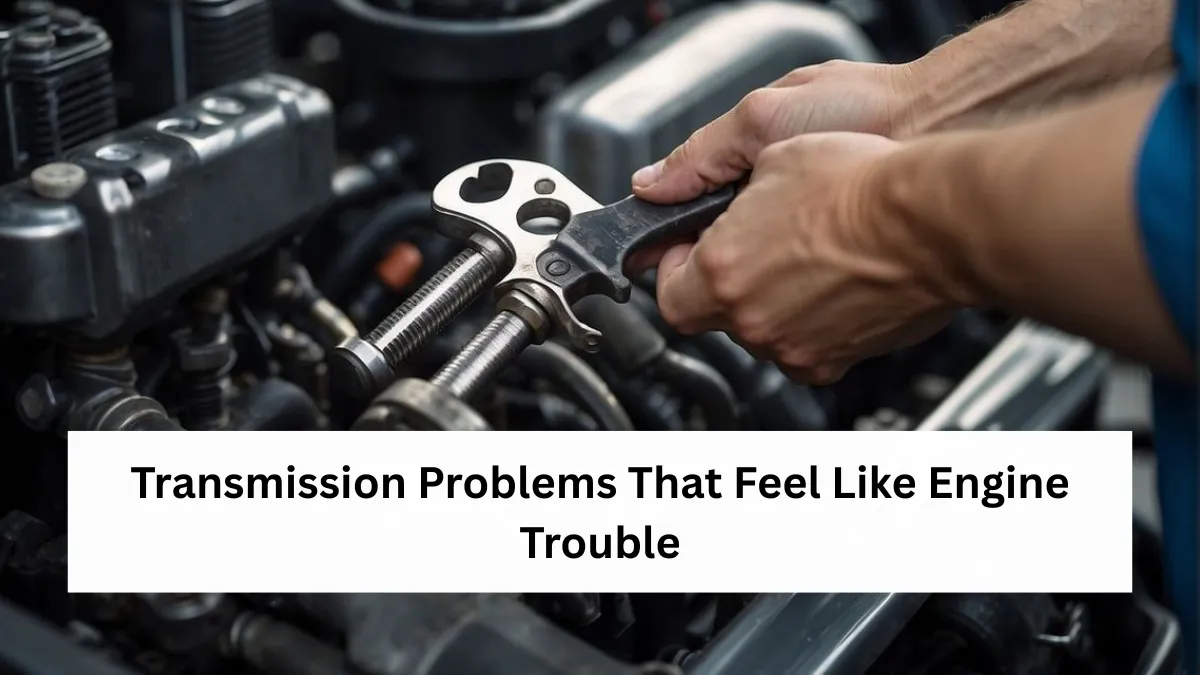
Many drivers in the United States experience a frustrating situation where their car feels like it has an engine problem, but no clear warning light explains what’s wrong. The vehicle may hesitate, shake, lose power, or make unfamiliar noises. Naturally, most people assume the engine is failing. In reality, a large number of these symptoms come from the transmission, not the engine.
This confusion happens because the engine and transmission work so closely together. When the transmission starts to struggle, the engine often reacts in ways that feel like engine trouble. Understanding the difference can save time, reduce stress, and help you communicate more clearly with a mechanic. This article explains why transmission problems can mimic engine issues, how to recognize the signs, and what practical steps everyday drivers can take.
Why Transmission Problems Can Feel Like Engine Trouble
The engine creates power, but the transmission controls how that power reaches the wheels. When the transmission fails to shift properly, slips between gears, or struggles to maintain pressure, the engine cannot perform normally. The result often feels like poor engine performance even though the engine itself may be working as designed.
Modern vehicles make this even more confusing. Electronic sensors, control modules, and shared systems mean one issue can affect multiple components. A transmission that hesitates or slips can cause engine revving, stalling, or shaking. To the driver, it feels like the engine is weak or misfiring.
Another reason this happens is timing. Transmission problems often appear during acceleration, hill climbing, or highway driving. These are the same moments when engine problems are most noticeable. Without clear knowledge, it is easy to blame the engine first.
Common Transmission Problems That Imitate Engine Issues
Delayed or Rough Acceleration
When you press the gas pedal and the car hesitates before moving, many people assume the engine is not getting enough fuel or air. In many cases, the transmission is slow to engage the correct gear. This delay makes the engine rev higher than normal, creating the feeling that the engine is struggling.
In automatic vehicles, worn clutch packs or low transmission fluid can cause this hesitation. The engine responds by increasing RPMs, which sounds and feels like an engine issue even though the problem starts in the transmission.
Slipping Gears While Driving
Gear slipping is one of the most misleading symptoms. The car may suddenly lose power while cruising, then regain it without warning. Drivers often describe this as the engine “cutting out” or losing strength.
What is actually happening is the transmission failing to hold a gear. The engine keeps running, but power is not transferred consistently to the wheels. This sensation closely mimics engine failure and can be alarming, especially at highway speeds.
Shaking or Shuddering Under Load
Shaking during acceleration or while driving uphill is often blamed on spark plugs or engine mounts. While those can be causes, transmission-related shudder is very common. Torque converter problems are a frequent source of this vibration.
A torque converter that does not lock up smoothly creates a shudder that feels like engine misfiring. The vibration usually happens at specific speeds, often between 30 and 50 miles per hour, which makes it difficult to identify without experience.
Stalling at Stops or Low Speeds
If a car stalls when coming to a stop, many drivers immediately think of engine airflow or fuel delivery problems. However, certain transmission failures can also cause stalling. When the torque converter fails to disengage properly, it keeps pushing the engine even when the vehicle stops.
This situation is similar to stopping a manual car without pressing the clutch. The engine stalls, but the root cause is in the transmission system, not the engine itself.
Burning Smell or Overheating Sensation
A burning smell is often associated with engine overheating, but overheated transmission fluid can produce a similar odor. When the transmission overheats, it may struggle to shift, slip more often, and put additional strain on the engine.
The driver experiences sluggish performance, unusual smells, and sometimes smoke. These signs often point people toward engine failure when the real issue lies elsewhere.
How to Tell the Difference Between Engine and Transmission Trouble
Pay Attention to When the Problem Occurs
Engine problems usually affect the car all the time, including at idle. Transmission problems often show up during gear changes, acceleration, or specific speed ranges. If the car idles smoothly but struggles when shifting or accelerating, the transmission is a more likely cause.
Notice Engine RPM Behavior
When the engine revs high but the car does not accelerate as expected, the transmission is often slipping. Engine issues typically cause rough running, sputtering, or uneven RPM changes rather than smooth but ineffective revving.
Check for Gear-Related Symptoms
Problems that appear only in certain gears often indicate transmission trouble. For example, if the car drives fine at low speeds but struggles on the highway, this points to higher gear engagement problems rather than engine failure.
Step-by-Step: What to Do When the Car Feels Like the Engine Is Failing
Step One: Observe and Document Symptoms
Start by paying close attention to how the car behaves. Note when the issue occurs, how often it happens, and whether it appears during acceleration, braking, or cruising. Write down any sounds, smells, or dashboard warnings you notice.
This information helps determine whether the problem is engine-related or transmission-related. It also makes conversations with mechanics more productive and less stressful.
Step Two: Check Transmission Fluid Safely
If your vehicle has a transmission fluid dipstick, check the fluid level and condition when the engine is warm and parked on level ground. The fluid should be clean and reddish in color, not dark or burnt-smelling.
Low or dirty transmission fluid can cause many symptoms that feel like engine trouble. If the fluid looks wrong, this is a strong sign the transmission needs attention.
Step Three: Pay Attention to Warning Lights and Messages
While not all transmission problems trigger a warning light, many modern vehicles will display messages related to drivetrain or transmission performance. Even if the check engine light appears, the underlying issue can still be transmission-related.
Have the vehicle scanned by a qualified technician. Diagnostic codes often reveal whether the problem originates in the engine or transmission control systems.
Step Four: Avoid Aggressive Driving Until Diagnosed
If the car is slipping, shuddering, or stalling, avoid heavy acceleration and towing. Continued strain can worsen transmission damage and create secondary engine stress.
Gentle driving can sometimes prevent further damage while you arrange for professional inspection.
Step Five: Seek a Professional Inspection
A trained mechanic can perform a road test and check transmission pressure, fluid condition, and electronic signals. This step is essential because many transmission problems cannot be confirmed without proper tools.
A clear diagnosis prevents unnecessary engine repairs when the real issue is elsewhere.
Practical Solutions Based on Common Causes
Low or Contaminated Transmission Fluid
In some cases, correcting the fluid level or replacing old fluid can significantly improve symptoms. This solution depends on vehicle design and manufacturer recommendations, so it should be done carefully and correctly.
Fresh, clean fluid helps the transmission engage gears smoothly and reduces heat buildup that affects engine performance.
Worn Transmission Components
Clutches, bands, and solenoids wear over time. When these parts fail, the transmission cannot manage power properly. Repairs may involve replacing specific components rather than the entire transmission.
Addressing these issues early often prevents further drivetrain damage.
Torque Converter Issues
Torque converter problems are a common source of shudder and stalling. Repair or replacement restores smooth power transfer and eliminates symptoms often mistaken for engine misfires.
This repair requires professional tools and experience but can dramatically improve drivability.
Software and Sensor Problems
Modern vehicles rely heavily on electronics. Faulty sensors or outdated software can cause shifting problems that feel mechanical. Updating software or replacing sensors can resolve issues without major mechanical work.
This is especially common in newer vehicles with electronically controlled transmissions.
Common Mistakes to Avoid
Many drivers continue driving with symptoms because the car still “runs.” This often makes transmission problems worse and more expensive to fix. Another common mistake is focusing only on engine repairs, such as replacing spark plugs or fuel components, without considering the transmission.
Ignoring early warning signs or delaying inspection usually leads to more extensive damage. Addressing the problem early often results in simpler solutions.
FAQ’s
Can a transmission problem trigger the check engine light?
Yes, many transmission issues can activate the check engine light. Modern vehicles monitor transmission performance through sensors and control modules. A warning light does not always mean the engine is at fault.
Is it safe to drive if the car feels like it’s losing power?
It depends on the severity of the symptoms. Mild hesitation may allow short trips, but slipping, stalling, or shaking should be addressed promptly. Driving with these issues can increase the risk of breakdowns or further damage.
Why does my car shake only at certain speeds?
Speed-specific shaking often points to transmission shudder or torque converter problems. Engine issues usually cause vibration across a wider range of speeds, including idle.
Can cold weather make transmission problems feel worse?
Yes, cold temperatures can thicken transmission fluid, making existing issues more noticeable. Delayed shifting and hesitation are common in colder conditions when fluid flow is restricted.
✨ You May Also Like ✨