
As cars age and rack up miles, most drivers expect normal wear and tear. Oil changes, brake jobs, and tire replacements become routine. What often gets overlooked is the transmission. For many Americans driving vehicles with over 100,000 miles, transmission trouble can arrive quietly and turn into one of the most expensive repairs a car owner can face.
High-mileage cars do not fail overnight. Problems usually build slowly, giving small warning signs that are easy to ignore. Understanding why older transmissions need special care can help everyday drivers extend vehicle life, avoid sudden breakdowns, and make smarter maintenance choices.
This article explains the issue in clear terms, why it happens, and what practical steps drivers in the United States can take to protect their transmission as their vehicle ages.
Understanding the Transmission’s Role
A car’s transmission is responsible for transferring engine power to the wheels at the right speed. It manages gear changes, keeps the engine running efficiently, and allows the vehicle to move smoothly whether you are cruising on the highway or inching forward in traffic.
In high-mileage vehicles, this system has already handled thousands of gear changes, temperature swings, and driving conditions. Over time, even well-built transmissions experience internal wear that requires extra attention.
Why the Problem Happens in High-Mileage Cars
Normal Wear Builds Up Over Time
Every mile driven creates friction inside the transmission. Gears mesh together, clutches engage and disengage, and fluid circulates to keep parts cool and lubricated. After years of daily driving, these components naturally wear down.
In a newer vehicle, parts fit tightly and fluid flows efficiently. In an older vehicle, small gaps form, seals harden, and friction increases. This gradual change makes the transmission more sensitive to neglect.
Transmission Fluid Loses Effectiveness
Transmission fluid does more than lubricate. It cools internal parts, carries away debris, and helps control hydraulic pressure. In high-mileage cars, fluid breaks down from heat and age.
Old fluid becomes darker and thicker, reducing its ability to protect internal components. In some cases, debris suspended in worn fluid can clog small passages, causing delayed shifting or slipping.
Heat Damage Becomes More Likely
Heat is one of the biggest enemies of transmissions. High-mileage cars often run hotter due to aging cooling systems or heavier workloads. Towing, stop-and-go traffic, and long highway drives all increase transmission temperature.
Over time, excess heat hardens seals and weakens internal components. Once seals fail, fluid leaks can begin, accelerating damage.
Driving Habits Add Extra Stress
Years of daily use mean a vehicle has been driven by habit. Rapid acceleration, frequent short trips, or driving with heavy loads all put extra strain on the transmission. In high-mileage vehicles, the same habits that once caused no issues may now contribute to failure.
How Transmission Problems Show Up in Older Vehicles
Transmission issues rarely start with total failure. They usually begin with subtle signs that drivers may dismiss as normal aging.
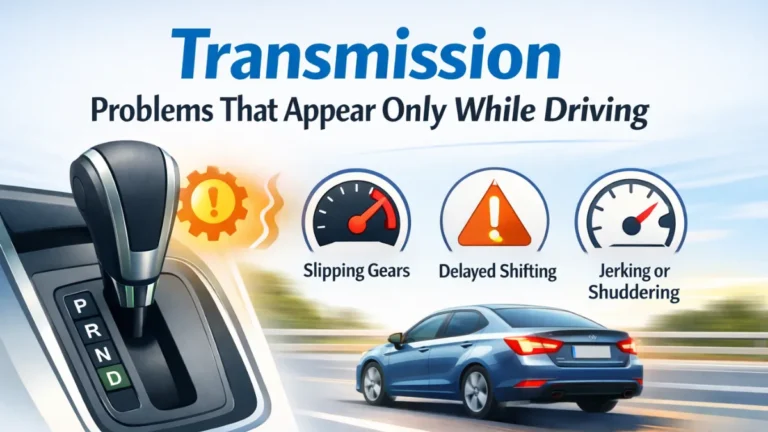
Delayed shifting when moving from park to drive is common. Rough or jerky gear changes may follow. Some drivers notice slipping, where the engine revs but the car does not accelerate smoothly. Others experience strange noises or a burning smell.
Ignoring these early signs often leads to more serious damage that requires major repair or replacement.
Step-by-Step Transmission Care for High-Mileage Cars
Step One: Pay Attention to Early Warning Signs
The first step in special transmission care is awareness. High-mileage cars communicate problems quietly. A slight hesitation, an unfamiliar vibration, or inconsistent shifting deserves attention.
Drivers should note when symptoms occur, such as during cold starts, highway driving, or city traffic. This information can help identify issues early and prevent further damage.
Step Two: Check Transmission Fluid the Right Way
Transmission fluid checks are especially important for older vehicles. For cars with a dipstick, fluid should be checked when the engine is warm and running, following the manufacturer’s instructions.
Healthy fluid is usually red or light brown and has a mild odor. Dark, burnt-smelling fluid indicates breakdown. Low fluid levels may signal a leak, which is more common in aging seals.
Some newer high-mileage vehicles do not have dipsticks. In those cases, periodic professional inspections become more important.
Step Three: Use Gentle Driving Techniques
High-mileage transmissions benefit from smoother driving habits. Gradual acceleration reduces internal stress. Coming to a complete stop before shifting between reverse and drive helps protect gears.
Allowing the car to warm up briefly in cold weather gives fluid time to circulate. Avoiding sudden heavy loads when possible also reduces strain on worn components.
Step Four: Follow a Conservative Maintenance Schedule
Older transmissions often need more frequent fluid service than newer ones. While opinions vary, many experienced mechanics recommend shorter intervals for high-mileage vehicles, especially those used in city driving.
Maintenance decisions should be based on vehicle condition, driving habits, and manufacturer guidance. Sudden, aggressive flushing may not be appropriate for every high-mileage transmission, especially if fluid has not been changed regularly in the past.
Step Five: Address Small Leaks Immediately
Even minor leaks can cause major problems in older transmissions. A small drip may not leave a noticeable puddle but can slowly lower fluid levels.
Fixing leaks early protects internal components and prevents overheating. Ignoring them often leads to more costly repairs later.
Step Six: Keep the Cooling System Healthy
The transmission relies on the cooling system to manage heat. Radiator issues, clogged coolers, or failing fans can cause temperatures to rise.
Regular engine cooling maintenance indirectly protects the transmission, especially in high-mileage vehicles used for long drives or towing.
Common Mistakes High-Mileage Car Owners Make
One common mistake is assuming transmission problems are unavoidable once a car reaches a certain mileage. While wear is normal, proper care can significantly slow damage.
Another mistake is ignoring fluid condition because the car still drives. By the time performance changes noticeably, internal wear may already be advanced.
Some owners delay inspections to avoid bad news. In reality, early diagnosis often leads to simpler, less expensive solutions.
Realistic Examples from Everyday Driving
Consider a commuter in California driving a 12-year-old sedan with 145,000 miles. The car still runs well, but shifts feel slower in morning traffic. By checking fluid and adjusting driving habits, the owner prevents further wear and avoids sudden failure during a long highway commute.
Another example is a retired couple in Florida using an older SUV for errands and road trips. Regular inspections catch a small transmission fluid leak early, saving them from a breakdown during a summer vacation drive.
Conclusion: Protecting Your Car’s Longevity
High-mileage cars are not fragile by default, but they do require thoughtful care. The transmission, in particular, works harder as vehicles age. Small changes in fluid condition, heat exposure, and driving habits can have a big impact over time.
By understanding why transmission problems happen and taking simple, realistic steps, everyday drivers can extend the life of their vehicle and avoid unexpected repairs. Paying attention early, driving smoothly, and staying consistent with maintenance helps keep high-mileage cars reliable for years to come.
Transmission care is not about perfection. It is about awareness, balance, and making informed choices that respect the miles already traveled.
FAQ’s
Do high-mileage cars always need transmission repairs?
Not necessarily. Many vehicles exceed 200,000 miles with their original transmission. Longevity depends on driving habits, maintenance history, and early attention to warning signs.
Is changing transmission fluid risky in older cars?
It depends on the vehicle’s condition and maintenance history. Gradual fluid changes are often safer than aggressive flushing for high-mileage transmissions that have not been serviced regularly.
How can I tell if my transmission is overheating?
Warning signs include delayed shifting, slipping, a burning smell, or dashboard alerts in newer vehicles. Overheating should be addressed promptly to prevent internal damage.
Should I stop driving if my transmission slips occasionally?
Occasional slipping is a warning sign. While short trips may still be possible, continued driving without inspection can worsen the problem and lead to sudden failure.
✨ You May Also Like ✨