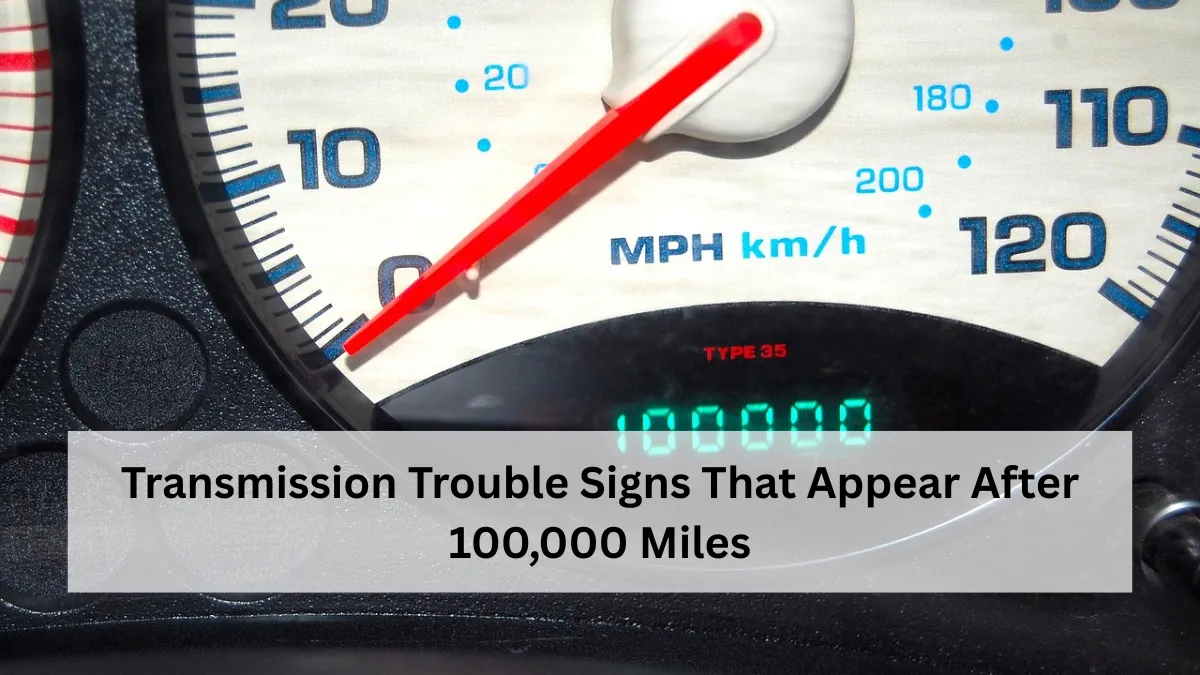
Many drivers in the United States keep their vehicles well past 100,000 miles. Modern cars are built to last longer than ever, but reaching this milestone often brings new mechanical concerns. One of the most common areas where problems begin to show is the transmission.
Transmission trouble rarely appears all at once. It usually starts with small changes in how your car feels, sounds, or responds. These early signs are easy to ignore, especially if the vehicle still runs. Understanding what these signs mean can help you respond calmly, avoid further damage, and make informed decisions about maintenance.
This article explains common transmission trouble signs that tend to appear after 100,000 miles, why they happen, and what practical steps everyday drivers can take to address them.
Why Transmission Problems Often Start After 100,000 Miles
A vehicle’s transmission works every time you drive. It shifts gears, manages power, and adjusts to speed and load changes. Over time, internal parts experience normal wear.
Heat plays a major role. Automatic transmissions rely on fluid to cool and lubricate moving components. After years of driving in traffic, on highways, and through seasonal temperature changes, that fluid breaks down. Seals also harden with age, making leaks more likely.
Mileage matters, but driving habits matter too. Stop-and-go commuting, towing trailers, mountain driving, and delayed maintenance all add stress. By 100,000 miles, small issues that were once harmless can start affecting performance.
Understanding this normal aging process helps explain why transmission trouble signs often appear around this point.
Delayed or Rough Gear Shifting
One of the earliest signs drivers notice is a delay when shifting gears. You may press the accelerator, but the car hesitates before moving forward or changing gears. In some cases, the shift feels rough or jerky.
This often happens because transmission fluid has lost its ability to flow and protect internal parts. Worn clutch packs or bands can also cause inconsistent engagement.
To address this, start by checking the transmission fluid level and condition, following the instructions in your owner’s manual. If the fluid looks dark or smells burnt, it may be time for a professional fluid service. Addressing fluid issues early can reduce stress on internal components.
Slipping Gears While Driving
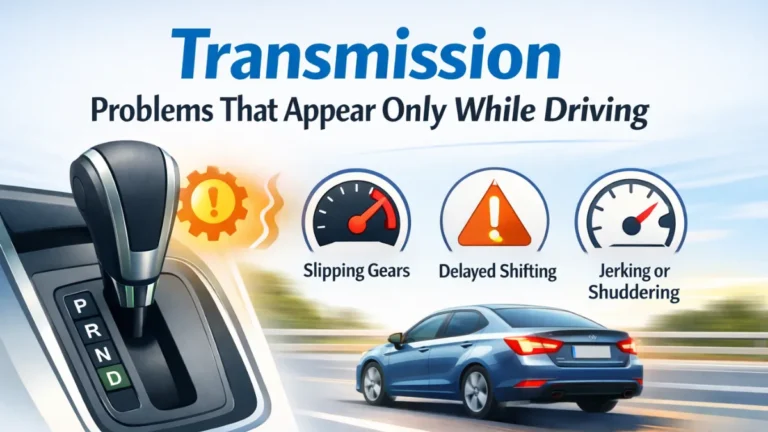
Gear slipping feels like the car briefly loses power or changes gears unexpectedly while driving. The engine may rev higher without a matching increase in speed.
This problem often appears after 100,000 miles because internal friction materials wear down. Low fluid levels caused by slow leaks can make the problem worse.
If you notice slipping, reduce aggressive acceleration and schedule an inspection. Continuing to drive with slipping gears can cause additional internal wear. Early diagnosis may limit the scope of repairs and help you understand your options.
Unusual Noises When Shifting or Driving
A healthy transmission operates quietly. Whining, humming, grinding, or clunking noises can signal trouble.
Whining sounds may point to fluid circulation issues or worn bearings. Grinding noises can indicate gear wear, while clunking during shifts may involve mounts or internal components.
When these sounds appear after high mileage, they often reflect accumulated wear rather than sudden failure. Paying attention to when the noise occurs, such as during cold starts or specific gear changes, can help a technician identify the cause more accurately.
Transmission Fluid Leaks
Leaks become more common as vehicles age. Gaskets and seals lose flexibility over time, allowing fluid to escape slowly.
You might notice reddish or brownish fluid under the vehicle after it has been parked. Low fluid levels can lead to overheating and poor shifting.
If a leak is suspected, check the ground where you regularly park. Addressing leaks promptly helps prevent more serious internal damage. In many cases, replacing seals or tightening connections can restore proper fluid levels.
Warning Lights on the Dashboard
Many vehicles built in the last two decades have sensors that monitor transmission performance. After 100,000 miles, these systems may detect irregularities.
A check engine light or transmission warning light does not always mean immediate failure. It often indicates a sensor reading outside the normal range, such as slipping, overheating, or pressure issues.
When a warning light appears, avoid guessing. A diagnostic scan can identify the stored code and point to the underlying issue. Early attention can prevent minor problems from becoming larger ones.
Burning Smell While Driving
A burning smell coming from under the hood or beneath the vehicle can be alarming. In transmissions, this smell often comes from overheated or degraded fluid.
Old fluid loses its cooling properties and can overheat during long drives or heavy traffic. This creates friction and additional heat, accelerating wear.
If you notice this smell, allow the vehicle to cool and check fluid condition as soon as possible. Continued driving under these conditions increases the risk of internal damage.
Difficulty Shifting Into Gear
Another common sign after 100,000 miles is difficulty shifting into drive or reverse. You may need to wait longer than usual before the vehicle responds.
This can be caused by low fluid pressure, worn internal seals, or valve body issues. Cold weather can make the problem more noticeable.
Starting with a fluid check and gentle driving habits can help. If the issue persists, professional evaluation is recommended to identify worn components before further deterioration.
Step-by-Step: What to Do When You Notice Transmission Trouble
The first step is observation. Pay attention to when symptoms occur, such as during cold starts, highway driving, or stop-and-go traffic. This information is valuable.
The second step is checking the basics. Review your owner’s manual for guidance on checking transmission fluid, if applicable. Note the color, smell, and level.
The third step is adjusting driving habits temporarily. Avoid rapid acceleration, heavy loads, and long trips until the issue is evaluated.
The fourth step is seeking professional diagnosis. A qualified mechanic can perform a road test and diagnostic scan to identify the source of the problem.
The final step is discussing realistic options. Not every issue requires major repair. In some cases, maintenance or minor component replacement restores acceptable performance.
Common Mistakes Drivers Make After 100,000 Miles
One common mistake is ignoring early signs because the vehicle still runs. Small changes often signal developing issues.
Another mistake is delaying fluid service due to myths about high-mileage transmissions. Proper servicing, when done correctly, often helps rather than harms.
Some drivers rely on additives without understanding their effects. These products may temporarily mask symptoms but do not address underlying wear.
Finally, continuing to drive with warning lights on can allow minor problems to grow into more serious ones.
Helpful Tips for Extending Transmission Life
Driving smoothly reduces internal stress. Gradual acceleration and consistent speeds help worn components function more easily.
Allowing the vehicle to warm up briefly in cold weather helps fluid circulate properly before heavy use.
Following the manufacturer’s recommended service schedule, even after 100,000 miles, supports long-term reliability.
Paying attention to new sounds or behaviors helps you respond early rather than react later.
Conclusion
Reaching 100,000 miles is a milestone, not a failure point. Transmission trouble signs that appear around this time are often the result of normal wear rather than sudden breakdown.
By understanding common symptoms, recognizing why they happen, and responding thoughtfully, drivers can make informed choices about maintenance and repairs. Paying attention early, adjusting habits, and seeking reliable evaluation can help you continue driving with confidence.
FAQ’s
Is it normal for transmissions to have problems after 100,000 miles?
Yes, it is common for wear-related issues to appear around this mileage. Many transmissions continue to operate well with proper care, but early signs should not be ignored.
Can transmission problems appear suddenly without warning?
Some issues develop gradually, while others may seem sudden. Often, subtle signs were present but went unnoticed until performance changed more clearly.
Should I stop driving if I notice transmission slipping?
Reducing driving and avoiding heavy use is wise until the issue is evaluated. Continued driving under these conditions can increase internal wear.
Does changing transmission fluid help at high mileage?
In many cases, properly performed fluid service helps restore smoother operation. The decision should be based on fluid condition and professional guidance.
✨ You May Also Like ✨