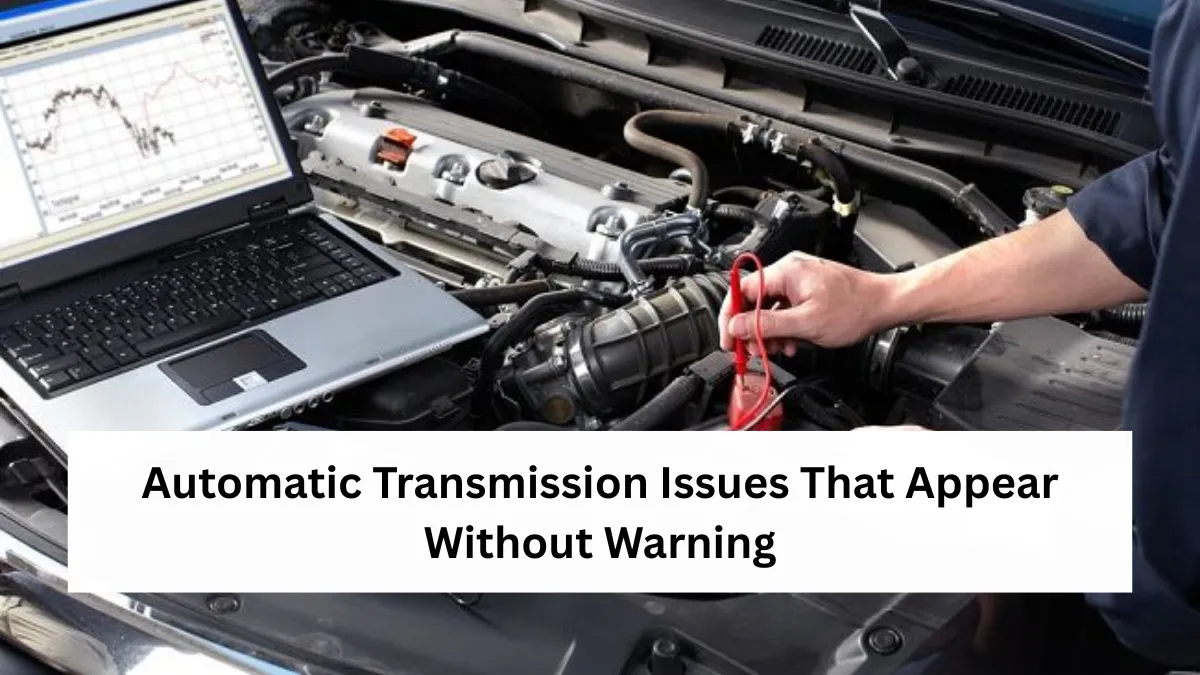
For many drivers in the United States, an automatic transmission is something you rarely think about until it starts acting up. One day your car drives smoothly, and the next day it hesitates, jerks, or refuses to shift properly. These problems often appear without warning, which can be stressful, confusing, and sometimes frightening, especially if they happen in traffic or on the highway.
Automatic transmission issues are common across many vehicle brands and model years. They affect daily commuters, students driving to campus, working professionals, and seniors who rely on their cars for independence. The good news is that many sudden transmission problems have clear causes and practical solutions when addressed early.
This article explains the most common automatic transmission issues that appear suddenly, why they happen, and what you can realistically do next. The goal is to help you understand what your vehicle may be telling you and how to respond calmly and safely.
Why Automatic Transmission Problems Can Appear Suddenly
Automatic transmissions are complex systems that rely on fluid pressure, electronic sensors, mechanical components, and software working together. When one part stops working correctly, the problem can show up without much advance notice.
In many cases, the transmission has been slowly developing an issue that is not obvious during everyday driving. A small fluid leak, a worn sensor, or gradual fluid contamination may not cause symptoms right away. Once the problem reaches a certain point, the transmission behavior can change quickly.
Modern vehicles also rely heavily on computer-controlled systems. A single faulty signal from a sensor can cause the transmission to shift harshly, slip, or go into a safety mode. This is why some issues feel sudden even though the underlying cause has been building over time.
Driving conditions in the U.S. also play a role. Long highway drives, stop-and-go city traffic, hot summers, cold winters, and towing loads all put stress on automatic transmissions. Over time, this stress can lead to unexpected problems.
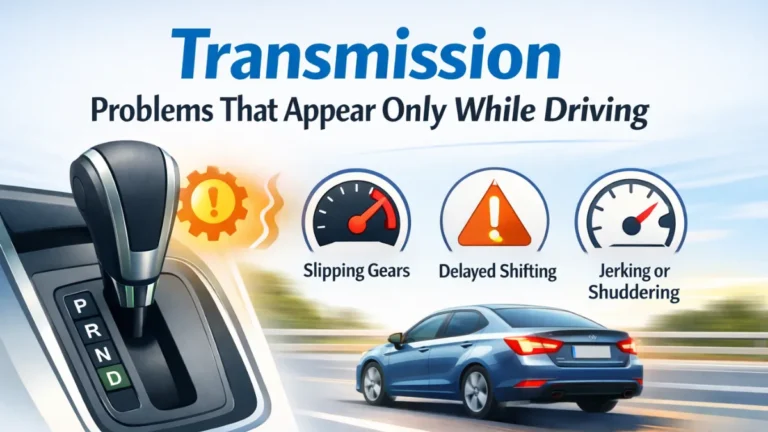
Sudden Slipping While Driving
What the Problem Feels Like
Transmission slipping often feels like the engine revs higher than normal without a matching increase in speed. You may notice the car struggling to accelerate or briefly losing power before catching again. This can happen while merging onto a freeway or driving uphill.
Why It Happens
Slipping is commonly caused by low or degraded transmission fluid. Automatic transmissions depend on fluid pressure to engage gears properly. When the fluid level drops or the fluid becomes worn out, the transmission may not maintain enough pressure to hold the gears.
Another common cause is internal wear on clutch packs or bands. Over time, these components lose their ability to grip, especially if fluid maintenance has been neglected.
Electronic control issues can also cause slipping. A faulty speed sensor or pressure control solenoid may send incorrect information to the transmission control module, resulting in poor gear engagement.
What You Can Do Step by Step
When slipping happens, the first step is to reduce aggressive driving. Ease off hard acceleration and avoid towing or heavy loads. This helps prevent further damage.
Next, check the transmission fluid if your vehicle allows it. Some newer cars require a professional check, but older models often have a dipstick. The fluid should be at the correct level and appear clean, not dark or burnt-smelling.
If the fluid is low, topping it off with the correct type may temporarily improve shifting. If the fluid is dirty or smells burnt, a professional inspection is strongly recommended.
If slipping continues, a diagnostic scan can identify electronic faults. Addressing sensor or solenoid problems early can prevent more serious internal damage.
Delayed or Hard Shifting Without Warning
What the Problem Feels Like
Delayed shifting happens when the car hesitates before changing gears, especially when shifting from park into drive or during acceleration. Hard shifting feels like a sudden jolt or thump when the gear finally engages.
These symptoms can appear suddenly, even if the car seemed fine the day before.
Why It Happens
One common cause is old or contaminated transmission fluid. As fluid ages, it loses its ability to cushion gear changes smoothly.
Software issues are also a frequent cause in modern vehicles. The transmission control module relies on programmed shift points. If the software becomes outdated or encounters a fault, shifting behavior can change abruptly.
Temperature-related issues are another factor. In colder parts of the U.S., thickened fluid during winter can cause delayed shifts until the vehicle warms up.
What You Can Do Step by Step
If hard or delayed shifting appears, allow the vehicle to warm up for a few minutes before driving, especially in cold weather. This can improve fluid flow.
Pay attention to when the issue occurs. If it happens mostly when cold, fluid condition may be the problem. If it happens all the time, electronic issues may be involved.
Have the transmission fluid checked for condition and level. A fluid service, when appropriate for your vehicle, can restore smoother shifting.
If the issue remains, a professional scan can check for software updates or stored fault codes. Addressing control module issues early often prevents worsening symptoms.
Transmission Suddenly Won’t Shift Gears
What the Problem Feels Like
Sometimes the transmission gets stuck in one gear, often second or third, and refuses to shift up or down. This can feel like the car is underpowered and struggling at higher speeds.
This situation often appears without warning and can be alarming.
Why It Happens
Many vehicles enter a protective mode when they detect a serious transmission problem. This is commonly known as limp mode. The system limits shifting to protect internal components from damage.
Faulty sensors, electrical problems, or transmission overheating can trigger this response. Low fluid pressure is another common cause.
What You Can Do Step by Step
If the car is stuck in one gear, safely pull over when possible. Turn off the engine and wait a few minutes before restarting. In some cases, this resets temporary faults.
Check for warning lights on the dashboard. Even if the light disappears, the issue should still be checked.
Drive gently and avoid high speeds. Schedule a diagnostic check as soon as possible to identify the root cause.
Continuing to drive in this condition for long periods can lead to more extensive damage.
Burning Smell or Smoke Appearing Suddenly
What the Problem Feels Like
A burning smell coming from the vehicle, especially after driving, is a serious warning sign. In some cases, light smoke may be visible.
Why It Happens
Overheated transmission fluid is the most common cause. This can happen due to low fluid levels, clogged cooling lines, or heavy driving conditions such as towing.
When fluid overheats, it loses its protective properties and can damage seals and internal components.
What You Can Do Step by Step
If you notice a burning smell, stop driving as soon as it is safe. Allow the vehicle to cool down completely.
Check underneath the car for fluid leaks. Reddish or brown fluid is a sign of transmission fluid loss.
Have the vehicle inspected promptly. Driving with overheated fluid can quickly escalate into major transmission failure.
Sudden Grinding or Shaking Sensations
What the Problem Feels Like
Grinding, shuddering, or shaking during gear changes can feel like driving over rough pavement, even on smooth roads. This may occur during acceleration or at steady speeds.
Why It Happens
Torque converter issues are a common cause. The torque converter helps transfer power from the engine to the transmission. When it malfunctions, vibrations can appear suddenly.
Worn mounts or internal transmission wear can also cause abnormal movement and noise.
What You Can Do Step by Step
Pay attention to when the shaking occurs. If it happens at specific speeds, note that information for a mechanic.
Check transmission fluid condition. Dirty or degraded fluid can contribute to shuddering.
Prompt inspection is important, as continued driving may worsen wear on internal components.
Helpful Tips and Common Mistakes to Avoid
Many drivers ignore early transmission symptoms because the car still moves. This often leads to more serious problems later. Addressing issues early usually results in simpler and less costly repairs.
Using the wrong transmission fluid is another common mistake. Each vehicle requires a specific fluid type, and using the wrong one can cause shifting problems.
Skipping recommended maintenance intervals also increases the risk of sudden failure. Even so-called sealed transmissions still benefit from periodic inspections.
Avoid aggressive driving habits, especially when the engine and transmission are cold. Gentle driving allows fluid to circulate properly and reduces wear.
Conclusion: Respond Early to Protect Your Transmission
Automatic transmission issues that appear without warning can be unsettling, but they are often manageable when handled promptly. Understanding how your vehicle behaves and recognizing sudden changes gives you a strong advantage.
Most transmission problems follow a clear pattern. A problem develops quietly, reaches a tipping point, and then shows noticeable symptoms. By responding early, reducing driving stress, and seeking proper inspection, you can often prevent minor issues from becoming major repairs.
For drivers across the United States, staying informed and attentive is one of the most effective ways to keep an automatic transmission running smoothly. A calm, informed response can make all the difference when your vehicle starts sending unexpected signals.
FAQ’s
Can automatic transmission problems really appear overnight?
Yes, they can. While the underlying cause often develops gradually, the symptoms can show up suddenly once a critical threshold is reached. Fluid loss, sensor failure, or overheating can all cause rapid changes in behavior.
Is it safe to drive with sudden transmission issues?
It depends on the symptom. Minor hesitation may allow short, careful driving, but slipping, burning smells, or being stuck in one gear should be addressed immediately. Continuing to drive can increase the risk of breakdown.
Do warning lights always appear with transmission problems?
Not always. Some issues do not trigger a warning light right away. This is why changes in driving behavior should never be ignored, even if the dashboard looks normal.
Can cold weather cause sudden transmission problems?
Cold temperatures can make fluid thicker and slow shifting temporarily. However, persistent issues in cold weather may indicate worn fluid or underlying mechanical problems.
How often should transmission fluid be checked?
Fluid level and condition should be checked during routine maintenance. The exact interval varies by vehicle, but periodic inspection helps catch problems before they appear suddenly.
✨ You May Also Like ✨