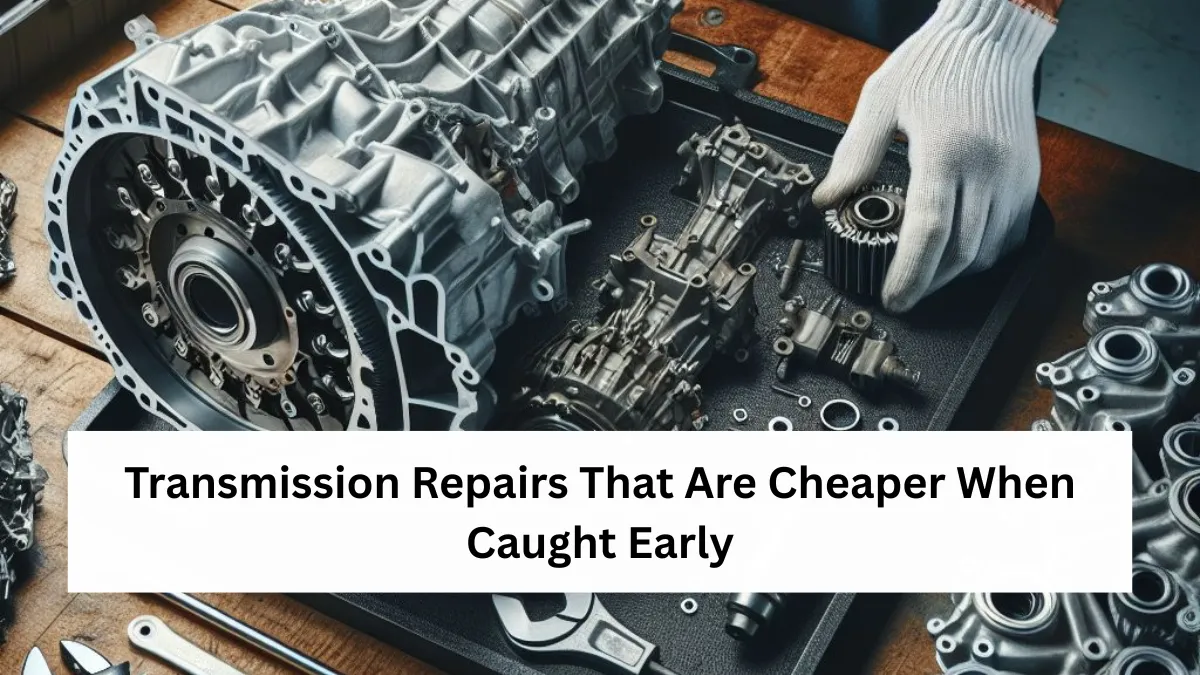
Transmission problems often start quietly. A slight hesitation when shifting, a faint burning smell, or a small fluid spot on the driveway can seem easy to ignore. Many drivers in the United States keep driving, hoping the issue will go away on its own. Unfortunately, transmission systems rarely fix themselves.
When early warning signs are missed, minor transmission issues can grow into major mechanical failures. What could have been a simple repair may turn into a costly rebuild or full replacement. Understanding which transmission repairs are cheaper when caught early can help everyday drivers protect their vehicles and avoid unnecessary expenses.
This article explains why transmission problems happen, how they develop over time, and what steps you can take to address them early. The goal is to help you make informed decisions before small issues become overwhelming.
Why Transmission Problems Happen in the First Place
A transmission is one of the most complex systems in a vehicle. It uses fluid, gears, sensors, and electronic controls to transfer engine power to the wheels. Over time, normal wear and tear takes a toll, especially in vehicles driven daily in city traffic, long commutes, or extreme weather.
Heat is one of the biggest enemies of a transmission. As fluid breaks down, it loses its ability to lubricate and cool internal components. Dirty or low fluid increases friction, which accelerates wear. Small leaks, delayed maintenance, and aggressive driving habits can all contribute to early transmission trouble.
Modern vehicles also rely heavily on electronics. A single faulty sensor or software issue can cause rough shifting or poor performance, even when the mechanical parts are still in good condition. When these problems are diagnosed early, repairs are often straightforward and far less expensive.
Early Transmission Repairs That Usually Cost Less
Transmission Fluid Leaks and Low Fluid Levels
One of the most common and least expensive transmission issues is a fluid leak. Leaks often start at seals, gaskets, or transmission cooler lines. At first, the loss of fluid may be minimal, causing only slight changes in shifting behavior.
When caught early, repairing a leak usually involves replacing a worn seal or tightening a loose connection. The cost is typically limited to labor and fresh transmission fluid. If the leak is ignored, fluid levels drop further, leading to overheating and internal damage. At that stage, the repair can escalate into thousands of dollars.
Worn or Dirty Transmission Fluid
Transmission fluid does not last forever. Over time, it collects debris and loses its protective properties. Early signs of degraded fluid include delayed shifting, slipping gears, or a burning smell.
Addressing this early often means a fluid change or flush, depending on the vehicle manufacturer’s recommendations. This service helps restore smooth operation and protects internal parts. Waiting too long can allow contaminated fluid to damage clutches and valve bodies, turning a routine service into a major repair.
Faulty Solenoids Causing Shifting Issues
Transmission solenoids control the flow of fluid inside the transmission. When a solenoid begins to fail, you may notice harsh shifts, skipped gears, or the vehicle getting stuck in one gear.
Early diagnosis usually leads to replacing a single solenoid or cleaning the affected components. This type of repair is far less expensive than repairing internal clutch packs or gear sets that may fail if the issue is ignored.
Transmission Sensor Problems
Modern transmissions rely on sensors to monitor speed, temperature, and load. A faulty sensor can cause warning lights, erratic shifting, or reduced performance.
When caught early, replacing a sensor is often a simple repair. Ignoring sensor issues can cause the transmission to operate incorrectly, increasing wear and potentially damaging internal components that were otherwise healthy.
Minor Clutch Wear in Automatic Transmissions
Automatic transmissions use clutch packs that wear gradually over time. Early symptoms include slight slipping or inconsistent shifting under light acceleration.
At an early stage, adjustments, fluid service, or minor component replacement may be enough to restore normal function. Continued driving with slipping clutches allows heat and friction to build, often leading to full clutch pack failure and extensive repairs.
Step-by-Step: How to Catch Transmission Problems Early
Step One: Pay Attention to Small Changes
Most early transmission issues announce themselves subtly. A slight delay when shifting into drive, a new vibration at highway speeds, or an unfamiliar noise should not be ignored. These small changes are often the first sign that something needs attention.
Taking note of when the issue happens, such as during cold starts or after long drives, can help a technician diagnose the problem more quickly.
Step Two: Check Transmission Fluid Regularly
For vehicles that allow fluid checks, inspecting the transmission fluid can reveal early problems. Healthy fluid is usually clear and red or amber, depending on the type. Dark, cloudy, or burnt-smelling fluid suggests it may be time for service.
If your vehicle has a sealed transmission, paying attention to warning lights and performance changes becomes even more important. Sealed does not mean maintenance-free.
Step Three: Do Not Ignore Warning Lights
A check engine light can be triggered by transmission-related issues. Many drivers continue driving when the vehicle seems to run fine otherwise. Early diagnostics can reveal minor electronic or sensor problems before they affect the entire system.
A simple scan can often identify issues that are inexpensive to fix when addressed promptly.
Step Four: Get a Professional Inspection Early
When symptoms first appear, having a qualified technician inspect the vehicle can prevent unnecessary damage. Early inspections usually focus on external components, fluid condition, and electronic diagnostics rather than invasive teardown.
This approach saves time and reduces repair costs while providing peace of mind.
Step Five: Follow Manufacturer Maintenance Guidelines
Every vehicle has specific maintenance recommendations. Following these guidelines helps prevent premature transmission problems. Skipping or delaying service increases the likelihood of small issues turning into major failures.
Staying consistent with maintenance also creates a service history that can help technicians spot changes over time.
Common Mistakes That Make Transmission Repairs More Expensive
One common mistake is assuming that transmission problems always mean total failure. This belief leads many drivers to delay inspections, fearing bad news. In reality, early repairs are often manageable and affordable.
Another mistake is continuing to drive with known symptoms. Driving with slipping gears or low fluid may seem manageable in the short term, but it significantly increases internal wear.
Using the wrong transmission fluid is another issue. Different transmissions require specific fluid types. Using the incorrect fluid can cause shifting problems and accelerate wear, even if the transmission was otherwise healthy.
Finally, relying on quick fixes or additives without proper diagnosis can mask symptoms temporarily while allowing damage to continue underneath.
Realistic Examples from Everyday Driving
Consider a commuter in Ohio who notices a small delay when shifting into reverse during cold mornings. A quick inspection reveals low fluid caused by a minor seal leak. The repair involves replacing the seal and refilling the fluid, preventing further damage.
In another case, a family vehicle in Arizona experiences harsh shifts during summer heat. Early diagnosis identifies a failing solenoid. Replacing the solenoid restores smooth operation and avoids overheating-related damage to internal clutches.
These examples show how early attention can keep repairs manageable and vehicles reliable.
Conclusion
Transmission repairs do not have to be overwhelming or excessively expensive. Many common issues are relatively affordable when caught early, before they affect major internal components. Paying attention to warning signs, following maintenance guidelines, and seeking timely inspections can make a significant difference.
For everyday drivers across the United States, understanding how transmissions fail and how early repairs work empowers better decision-making. Addressing small problems early not only saves money but also helps keep your vehicle dependable for years to come.
FAQ’s
How do I know if a transmission issue is serious?
Transmission issues often start with small symptoms like delayed shifting or unusual noises. Serious problems usually develop when these early signs are ignored. A professional inspection is the best way to determine severity.
Is it safe to drive with minor transmission symptoms?
Driving short distances may be possible, but continued driving can worsen the problem. Early evaluation reduces the risk of further damage and higher repair costs.
How often should transmission fluid be serviced?
Service intervals vary by vehicle and driving conditions. Many manufacturers recommend service between 30,000 and 60,000 miles, but some newer models have different guidelines. Checking the owner’s manual is the best approach.
Can electronic issues really damage a transmission?
Yes, electronic problems can cause improper shifting and increased wear. Fixing sensors or control issues early helps protect mechanical components.
✨ You May Also Like ✨