Many drivers in the United States ignore early transmission problems because the car still moves and daily life is busy. A slight hesitation when shifting, a faint burning smell, or an occasional warning light may not seem urgent. For many people, the thought is simple: “I’ll take care of it later.”
Unfortunately, transmission issues rarely stay small. When repairs are delayed, the damage often spreads to other parts of the system. What could have been a manageable repair can turn into a much larger and more expensive job. This article explains why that happens, how costs increase over time, and what practical steps everyday drivers can take to limit damage and avoid unnecessary expenses.
The goal is not to scare you, but to help you understand how transmissions work, why problems escalate, and how timely action can protect both your vehicle and your budget.
Understanding the Problem: What a Transmission Really Does
A vehicle’s transmission controls how power moves from the engine to the wheels. It allows the car to change speeds smoothly, whether you are pulling away from a stoplight or cruising on the highway. In automatic vehicles, this process happens quietly in the background, which makes it easy to overlook when something starts to go wrong.
Inside the transmission are gears, clutches, bands, sensors, and fluid that keeps everything cool and lubricated. These parts depend on precise timing and clean fluid to work properly. When even one part begins to fail, it creates extra stress on the others. That stress is what turns a small issue into a major repair when ignored.
Because transmissions are complex systems, damage rarely fixes itself. The longer a problem is left alone, the more parts are affected.
Why Delaying Transmission Repairs Is So Common
Many drivers delay transmission repairs for understandable reasons. One reason is uncertainty. Transmission problems do not always cause immediate breakdowns. The car may still drive, leading people to believe the issue is not serious yet.
Another reason is cost concern. Transmission repairs have a reputation for being expensive, so people hope the problem will go away or stay minor. Some drivers also confuse transmission symptoms with engine or electrical issues, assuming a warning light or rough shift is unrelated.
Finally, daily responsibilities play a role. Work, family, and commuting needs often push car maintenance down the priority list. Unfortunately, the transmission does not wait for a convenient time to fail.
How Small Transmission Problems Turn Into Expensive Repairs
Early transmission issues usually involve limited damage. Examples include low or dirty fluid, worn seals, or a failing sensor. At this stage, the system is still mostly intact. However, as the vehicle continues to operate, friction and heat increase.
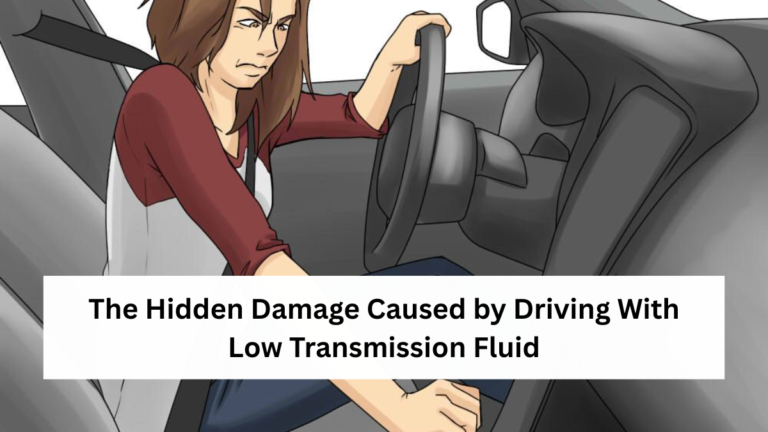
Heat is one of the biggest enemies of a transmission. When fluid levels are low or fluid quality is poor, parts grind against each other instead of gliding smoothly. That grinding produces heat, which breaks down fluid even faster. Once the fluid can no longer protect internal components, metal parts start to wear down.
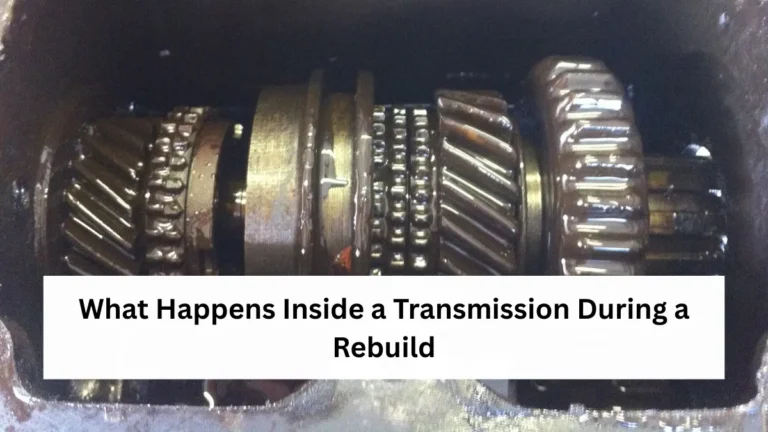
Over time, that wear spreads. Clutches slip, gears lose their edges, and debris circulates through the system. What began as a minor repair can become a complete transmission rebuild or replacement.
Realistic Cost Differences Drivers Often See
In many parts of the United States, addressing early transmission issues can cost a few hundred dollars. This may involve fluid service, seal replacement, or sensor repair. These repairs are usually completed in a short time and help restore proper function.
When repairs are delayed, the costs often rise sharply. A damaged transmission may require extensive labor, specialized parts, or a full rebuild. In some cases, replacement is the only practical option. At that point, costs can double or even exceed what early intervention would have required.
The key factor is not just the price of parts, but the labor involved. Transmission work requires removing and reinstalling major components, which adds time and expense.
Warning Signs Drivers Often Ignore
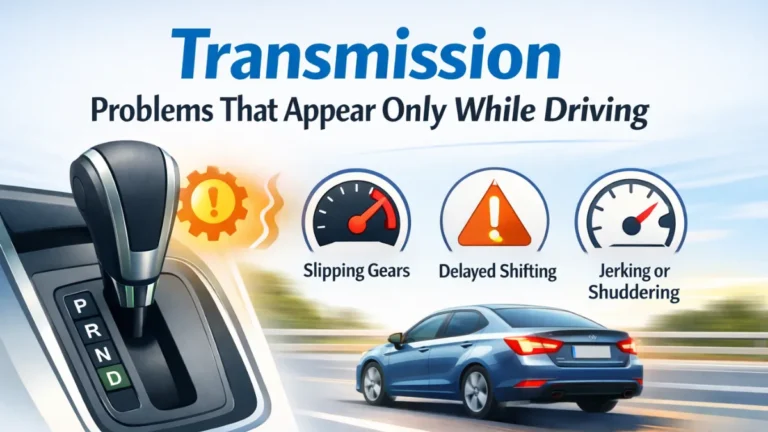
Transmission problems often give early warnings, but they can be subtle. Slipping gears may feel like a brief loss of power. Delayed shifting might seem like the car is thinking before changing gears. Unusual noises can be dismissed as road noise or aging parts.
Some drivers notice fluid leaks but assume they are harmless. Transmission fluid is usually red or dark brown, and leaks should never be ignored. A burning smell is another sign that fluid is overheating, which means internal parts are under stress.
Ignoring these signs does not make them disappear. It simply allows the damage to continue unnoticed.
Step-by-Step Approach to Preventing Costly Transmission Damage
Recognizing Early Symptoms
The first step is paying attention to changes in how your vehicle feels and sounds. If shifting feels different, rough, or delayed, it is worth noting. Vibrations, whining noises, or warning lights are also signals that something needs attention.
Keeping a simple mental record of changes helps. If a symptom happens once, it may not be urgent. If it repeats, it deserves investigation.
Checking Transmission Fluid Condition
Transmission fluid plays a critical role in cooling and lubrication. Some vehicles allow drivers to check fluid levels easily, while others require a professional inspection. If fluid appears dark, smells burnt, or is noticeably low, it can indicate an underlying problem.
Clean, properly filled fluid helps reduce friction and heat. When fluid breaks down, internal wear accelerates. Addressing fluid issues early can slow or stop further damage.
Getting a Professional Inspection Early
When symptoms persist, having the vehicle inspected by a qualified technician can clarify what is happening. Early inspections often identify issues before they spread. This does not mean committing to major repairs immediately, but it provides information that helps you make informed decisions.
Catching a worn seal or faulty sensor early can prevent debris from circulating through the system and damaging other components.
Adjusting Driving Habits When Issues Appear
If a transmission issue is suspected, gentle driving can help limit damage while you arrange an inspection. Avoiding heavy loads, sudden acceleration, and stop-and-go traffic reduces stress on the transmission.
While this is not a solution, it can slow the progression of damage and reduce the risk of sudden failure.
Scheduling Repairs Before Failure Occurs
Addressing repairs before the transmission fails completely offers more options. Minor repairs preserve existing components. Once failure occurs, choices become limited, and costs rise.
Scheduling repairs proactively often results in shorter downtime and better overall vehicle reliability.
Common Mistakes That Make Transmission Damage Worse
One common mistake is continuing to drive with warning lights illuminated. These lights are designed to alert drivers before damage becomes severe. Ignoring them removes that safety margin.
Another mistake is using the wrong type of transmission fluid or delaying fluid changes far beyond recommended intervals. Not all fluids are the same, and using an incorrect type can cause immediate harm.
Some drivers rely on temporary fixes or additives without understanding the underlying problem. While some products may mask symptoms briefly, they do not repair worn or damaged components.
Finally, assuming that a vehicle is too old to justify repairs can lead to sudden breakdowns at inconvenient times. Even older vehicles benefit from timely maintenance.
Why Transmission Damage Spreads So Quickly
Transmissions operate under constant pressure and heat. When one component fails, it often sheds material into the fluid. That material circulates through the system, affecting valves, pumps, and clutches.
This chain reaction explains why delays are so costly. The longer debris circulates, the more widespread the damage becomes. What started as a single failing part can compromise the entire system.
Once internal damage reaches a certain point, cleaning and minor repairs are no longer effective. At that stage, extensive rebuilding is often the only option.
How Timely Repairs Protect Vehicle Value
A well-maintained transmission contributes to overall vehicle reliability. When problems are addressed early, the car remains dependable and safer to drive. This is especially important for commuters, students, and families who rely on their vehicles daily.
Timely repairs also help preserve resale or trade-in value. A vehicle with a documented history of maintenance is generally more appealing than one with unresolved issues.
While no repair guarantees future performance, addressing known problems responsibly reduces the likelihood of sudden failures.
Conclusion: Acting Early Makes a Real Difference
Delaying transmission repairs is rarely a cost-saving decision. What feels like postponing an inconvenience often results in higher expenses, longer downtime, and more stress later on. Transmissions are built to handle significant demands, but they rely on timely maintenance and attention to early warning signs.
By understanding how small problems grow, recognizing early symptoms, and taking measured action, drivers can limit damage and keep repair costs manageable. The key is not perfection, but awareness and timely response.
FAQ’s
Can I keep driving if my transmission is slipping occasionally?
Occasional slipping may seem harmless, but it usually indicates internal wear or fluid problems. Continuing to drive can increase friction and heat, which accelerates damage. Having the issue checked sooner rather than later can help limit repair costs.
Does changing transmission fluid fix all problems?
Fluid changes help when the issue is related to dirty or degraded fluid. However, fluid alone cannot repair worn clutches or damaged gears. A proper diagnosis is important to determine whether fluid service is enough.
Why does a transmission repair cost increase so quickly?
Costs rise because damage spreads inside the system. As more components are affected, labor and parts requirements increase. Early repairs often involve fewer parts and less labor.
Are automatic transmissions more sensitive to delays than manual ones?
Automatic transmissions are generally more complex and rely heavily on fluid pressure and sensors. This complexity means delays can lead to faster damage compared to many manual systems.
✨ You May Also Like ✨