Many drivers in the United States pay close attention to engine oil, tire pressure, and fuel levels. Transmission fluid, however, is often forgotten until something feels wrong. Low transmission fluid usually does not cause an immediate breakdown, which is why the problem is easy to ignore. The car may still move, shift, and drive normally at first.
Over time, though, driving with low transmission fluid can quietly damage parts that are expensive and time-consuming to repair. This article explains what really happens inside your vehicle when transmission fluid levels drop, why it occurs, and what practical steps everyday drivers can take to prevent long-term damage. The goal is to help you understand the issue clearly, using real-world examples that apply to common vehicles on US roads.
Why Transmission Fluid Matters More Than Most Drivers Realize
Transmission fluid does more than just lubricate moving parts. It also helps regulate temperature, provides hydraulic pressure for gear changes, and protects internal components from wear. Automatic and continuously variable transmissions rely heavily on fluid to function correctly.
When the fluid level is low, the transmission cannot maintain proper pressure or cooling. This creates friction, heat, and stress inside the system. Unlike engine oil problems, which often trigger dashboard warnings, transmission fluid issues can develop silently.
Why the Problem Happens in the First Place
Normal Wear Over Time
Most vehicles slowly lose small amounts of transmission fluid as they age. Seals harden, gaskets wear down, and tiny leaks form. In many cases, drivers do not notice fluid loss because it happens gradually and does not leave obvious puddles on the driveway.
Leaks That Go Unnoticed
Transmission fluid leaks can occur at the pan gasket, cooler lines, axle seals, or torque converter. Because the fluid can spread along underbody components, it may not drip straight down. A driver might only notice a faint burnt smell or darker residue under the hood.
Overheating and Fluid Breakdown
High temperatures can break down transmission fluid faster than expected. This is common in stop-and-go traffic, during towing, or when driving in hot climates. As fluid degrades, it loses effectiveness and may evaporate or burn off internally, lowering usable levels.
Missed Maintenance Checks
Some modern vehicles are marketed as having “lifetime” transmission fluid. This wording can be misleading. While service intervals may be longer, fluid still degrades. Many owners skip inspections entirely, assuming no action is needed until a problem appears.
The Hidden Damage Caused by Low Transmission Fluid
Increased Internal Friction
When fluid levels drop, metal components inside the transmission begin to rub against each other without proper lubrication. This friction causes accelerated wear on gears, bearings, and clutch packs. The damage often starts small but compounds over time.
Overheating of Transmission Components
Transmission fluid helps carry heat away from internal parts. Low fluid reduces cooling capacity, allowing temperatures to rise. Excess heat can warp components, harden seals, and reduce the lifespan of the entire transmission assembly.
Delayed or Rough Gear Shifting
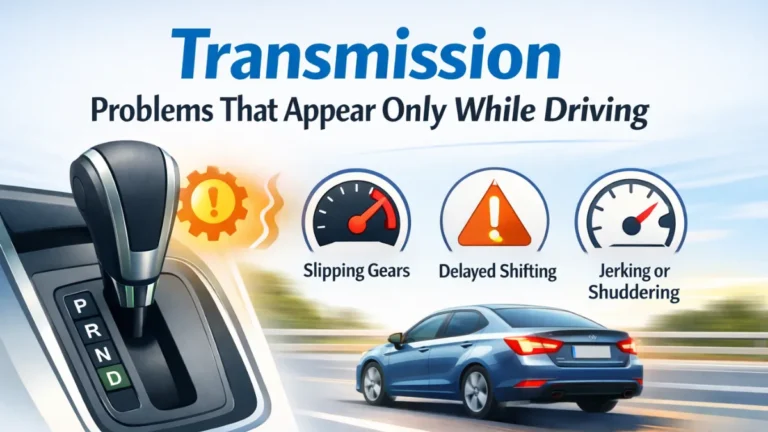
One of the earliest signs of low fluid is hesitation when shifting gears. The transmission relies on fluid pressure to engage gears smoothly. When pressure drops, shifts may feel rough, delayed, or inconsistent, especially when accelerating or climbing hills.
Slipping Gears
As fluid levels continue to fall, the transmission may slip out of gear unexpectedly. This happens because there is not enough hydraulic force to keep the gears engaged. Gear slipping increases wear and can create unsafe driving conditions, particularly on highways.
Damage to Clutch Packs and Bands
Inside automatic transmissions, clutch packs and bands rely on fluid to engage and disengage properly. Low fluid causes them to overheat and glaze. Once damaged, these components often require extensive repairs or full transmission replacement.
Long-Term System Failure
If low transmission fluid is ignored long enough, the damage becomes irreversible. Internal components can fail completely, leading to total transmission failure. At this stage, repairs are costly and often exceed the value of older vehicles.
How to Identify the Problem Early
Changes in Driving Feel
Many drivers first notice something feels “off.” The car may hesitate before moving, shift harder than usual, or struggle when accelerating. These subtle changes are often dismissed as normal aging but can signal fluid issues.
Unusual Noises
Whining, humming, or grinding sounds while driving or shifting gears can indicate insufficient lubrication. These noises usually worsen as the fluid level continues to drop.
Burning Smell
Transmission fluid has a distinct smell when overheated. If you notice a burning odor after driving, especially in traffic or on long trips, low or degraded fluid may be the cause.
Dashboard Warning Lights
Some vehicles have transmission temperature or fault warning lights. While not always triggered by low fluid alone, these warnings should never be ignored.
Step-by-Step: What to Do If You Suspect Low Transmission Fluid
Step One: Check the Owner’s Manual
Start by reviewing your vehicle’s owner’s manual. It explains whether your car has a transmission dipstick and outlines the correct procedure for checking fluid levels. Some newer vehicles require professional tools, while others allow owner checks.
Step Two: Inspect the Fluid Level and Condition
If your vehicle has a dipstick, check the fluid level on level ground with the engine running, following the manual’s instructions. The fluid should be within the marked range and appear clean. Dark, burnt-smelling fluid indicates a problem even if the level seems acceptable.
Step Three: Look for Signs of Leaks
Examine the area under your car and around the engine bay for signs of leaks. Reddish or brownish fluid residue can indicate transmission fluid loss. Even small leaks should be addressed promptly.
Step Four: Avoid Aggressive Driving
If you suspect low fluid, avoid hard acceleration, towing, or long highway drives. Gentle driving reduces stress on the transmission until the issue is resolved.
Step Five: Schedule a Professional Inspection
A qualified mechanic can confirm fluid levels, identify leaks, and assess internal damage. Early inspections often prevent minor issues from becoming major repairs.
Practical Solutions to Prevent Long-Term Damage
Regular Fluid Inspections
Even if your vehicle does not require frequent fluid changes, periodic inspections are still important. Checking fluid condition during oil changes is a practical habit for many US drivers.
Address Small Leaks Early
Minor leaks are easier and less expensive to repair when caught early. Replacing a worn gasket or seal can prevent significant fluid loss and protect internal components.
Use the Correct Fluid Type
Different vehicles require specific transmission fluids. Using the wrong type can cause shifting problems and reduce protection. Always follow manufacturer recommendations.
Pay Attention to Driving Conditions
Heavy traffic, towing, and extreme temperatures place extra strain on transmissions. Being mindful of these conditions helps explain why fluid may degrade faster than expected.
Common Mistakes Drivers Make
Many drivers assume that if the car still moves, everything is fine. This belief often delays necessary checks. Others add fluid without diagnosing leaks, which only provides temporary relief. Ignoring warning signs like rough shifting or unusual smells also contributes to avoidable damage.
Another common mistake is relying solely on dashboard warnings. Not all transmission issues trigger lights, especially in older vehicles. Physical symptoms often appear first.
Realistic Example From Everyday Driving
Consider a mid-sized sedan used for daily commuting in a busy US city. The driver notices slight hesitation when shifting into drive but ignores it. Over several months, the transmission overheats repeatedly during traffic jams. A small leak worsens, fluid levels drop further, and clutch packs wear out. What could have been resolved with a simple inspection becomes a full transmission rebuild.
This scenario is common and highlights why early attention matters.
Conclusion: Awareness Is the Best Protection
Driving with low transmission fluid is a problem that develops quietly but carries serious consequences. The damage often starts small, progresses slowly, and becomes costly before drivers realize what went wrong. Understanding why transmission fluid matters, recognizing early warning signs, and taking practical steps can help prevent unnecessary repairs.
For everyday drivers across the United States, paying attention to how your vehicle feels and responding early makes a real difference. Transmission care does not require expert knowledge, just awareness and timely action.
FAQ’s
✨ You May Also Like ✨