Automatic transmissions are one of the most expensive and complex parts of a vehicle. Many drivers in the United States quietly worry about how long their transmission will last, especially as mileage adds up. Replacing or rebuilding one can be costly, inconvenient, and stressful, particularly for families and working professionals who rely on their vehicle every day.
The good news is that most automatic transmissions today are designed to last much longer than many people expect. However, their actual lifespan depends heavily on driving habits, maintenance, and everyday decisions that often go unnoticed. Understanding what affects transmission life can help you avoid problems and get the most out of your vehicle without unnecessary repairs.
This guide explains how long an automatic transmission usually lasts, why failures happen, and what practical steps you can take to extend its life in real-world U.S. driving conditions.
Why People Worry About Automatic Transmission Lifespan
For many drivers, the transmission feels like a mystery. You shift into drive, press the accelerator, and the car moves. Because it works quietly in the background, it is easy to forget how much stress it handles every time you drive.
In the United States, automatic transmissions face demanding conditions. Long highway commutes, stop-and-go traffic, extreme heat, cold winters, towing trailers, and urban congestion all add strain. When a transmission fails, the repair bill often runs into thousands of dollars, which explains why drivers worry about longevity even when their car seems to be running fine.
Understanding realistic expectations can reduce anxiety and help you plan ahead rather than react to a sudden breakdown.
How Long an Automatic Transmission Usually Lasts
Most modern automatic transmissions are designed to last between 150,000 and 200,000 miles under normal driving conditions. In many cases, they can last even longer with proper care. It is not unusual to see well-maintained vehicles in the U.S. reach 220,000 miles or more on the original transmission.
Older vehicles, especially those built before the early 2000s, sometimes had simpler transmissions that could last a long time but lacked the efficiency and technology of newer models. Modern transmissions are more advanced, offering smoother shifting and better fuel economy, but they are also more sensitive to maintenance and driving habits.
The key takeaway is that mileage alone does not determine lifespan. Two identical vehicles with the same transmission can have very different outcomes based on how they are driven and maintained.
Why Automatic Transmissions Fail Earlier Than Expected
Transmission failure rarely happens overnight. It usually develops slowly due to a combination of heat, wear, and neglected maintenance.
Heat Is the Biggest Enemy
Automatic transmissions generate heat every time they operate. Heat breaks down transmission fluid, reducing its ability to lubricate and cool internal parts. In hot climates like Arizona, Texas, or Southern California, excessive heat can shorten transmission life if fluid is not maintained properly.
Stop-and-go traffic, towing heavy loads, and driving in hilly areas increase heat buildup. Over time, this heat causes seals to harden, clutches to wear, and metal components to degrade.
Lack of Proper Maintenance
Many drivers believe modern vehicles do not need transmission service. While some manufacturers promote “lifetime fluid,” real-world driving conditions in the U.S. are rarely ideal. Fluid eventually degrades, collects debris, and loses effectiveness.
Skipping recommended service intervals allows small issues to grow into major problems. By the time symptoms appear, internal damage may already be advanced.
Aggressive or Inconsistent Driving Habits
Hard acceleration, abrupt gear changes, frequent towing without proper equipment, and shifting from reverse to drive before stopping fully all place extra stress on the transmission.
In daily commuting, these habits add up. Over thousands of miles, the wear becomes noticeable and shortens the overall lifespan.
Step-by-Step: How to Help Your Automatic Transmission Last Longer
Extending the life of an automatic transmission does not require mechanical expertise. It mostly involves consistent habits and attention to early warning signs.
Step One: Follow a Sensible Maintenance Schedule
Check your owner’s manual for transmission service recommendations, but also consider how you drive. If you regularly sit in traffic, drive in extreme temperatures, or tow occasionally, servicing the transmission fluid earlier than the maximum interval is often wise.
Clean fluid helps regulate temperature and protects internal components. Even when the vehicle feels fine, routine service can prevent long-term damage.
Step Two: Pay Attention to How the Car Shifts
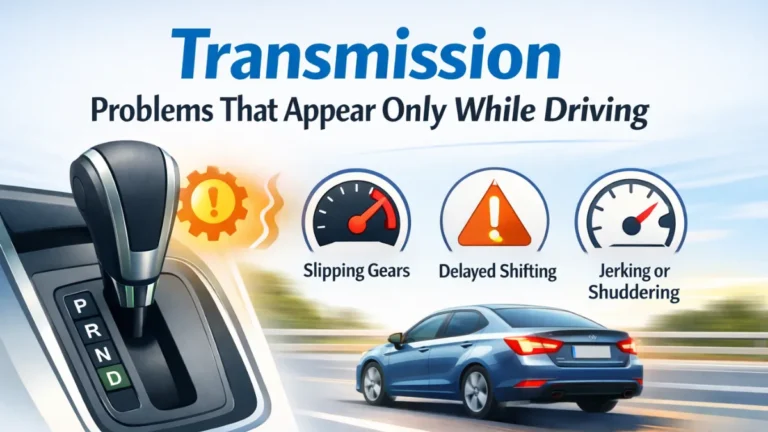
Subtle changes often appear before major problems. Delayed shifting, slipping between gears, or rough engagement can indicate fluid issues or early wear.
If you notice these changes, addressing them promptly can prevent more serious damage. Ignoring early symptoms is one of the most common reasons transmissions fail earlier than expected.
Step Three: Allow the Vehicle to Warm Up Gently
In colder U.S. climates, transmission fluid thickens in low temperatures. Driving aggressively immediately after starting the car increases stress on internal parts.
Giving the vehicle a short warm-up and driving gently during the first few minutes allows the fluid to circulate properly and reduces wear.
Step Four: Use the Correct Transmission Fluid
Automatic transmissions are designed for specific fluid types. Using the wrong fluid can cause poor lubrication, overheating, and erratic shifting.
Always ensure that any service uses the correct fluid specified by the manufacturer. This small detail makes a significant difference in long-term reliability.
Step Five: Avoid Unnecessary Strain
When possible, reduce unnecessary load on the transmission. Avoid excessive towing without proper equipment. Use lower gears when driving downhill to reduce heat buildup. Come to a complete stop before shifting between drive and reverse.
These small adjustments may seem minor, but they reduce cumulative stress over the life of the vehicle.
Common Mistakes That Shorten Transmission Life
Many transmission issues stem from everyday habits that drivers do not realize are harmful.
One common mistake is assuming that no warning lights mean no problems. Transmissions can develop internal wear long before a dashboard warning appears.
Another mistake is delaying service because the car still drives normally. Transmission damage often progresses quietly, and waiting too long reduces repair options.
Ignoring fluid leaks is also risky. Even small leaks lower fluid levels, leading to overheating and accelerated wear. Addressing leaks early is far less expensive than dealing with internal failure.
Finally, relying solely on mileage to judge transmission health can be misleading. A well-maintained transmission with higher mileage may be healthier than a neglected one with fewer miles.
What Mileage Is Considered “High” for an Automatic Transmission?
In the U.S., many drivers consider 100,000 miles to be high mileage. For modern automatic transmissions, this is often only midlife.
Between 150,000 and 200,000 miles is where wear-related issues become more common, especially if maintenance has been inconsistent. Beyond 200,000 miles, longevity depends heavily on prior care, driving conditions, and vehicle design.
Some vehicles reach 250,000 miles or more on the original transmission, particularly when driven mostly on highways with regular maintenance. Others experience problems earlier due to heat, load, or neglected service.
How Driving Environment Affects Transmission Life
Where and how you drive matters as much as how far you drive.
Urban driving with frequent stops causes more heat and wear than steady highway cruising. Mountainous regions place extra demand on the transmission during climbs and descents. Hot climates accelerate fluid breakdown, while cold climates challenge fluid flow during startups.
Understanding your driving environment helps set realistic expectations. A transmission in a delivery vehicle used daily in city traffic will not age the same way as one in a commuter car driven mostly on open highways.
When Repair Makes Sense and When It Does Not
Transmission problems vary widely in severity. Minor issues related to fluid condition or sensors may be resolved with relatively simple service. More serious internal damage often requires rebuilding or replacement.
The decision to repair depends on vehicle age, overall condition, and how long you plan to keep it. Understanding transmission lifespan helps you weigh options logically rather than emotionally when problems arise.
This is not about making promises or guarantees, but about making informed decisions based on realistic expectations.
Conclusion: What to Expect From Your Automatic Transmission
An automatic transmission is built to last a long time, but it is not indestructible. For most drivers in the United States, a realistic lifespan falls between 150,000 and 200,000 miles, with the potential for more when cared for properly.
Transmission longevity depends less on luck and more on daily habits, maintenance decisions, and awareness of early warning signs. By understanding why problems occur and taking simple preventive steps, drivers can reduce the risk of unexpected failure and extend the useful life of their vehicle.
FAQ’s
Can an automatic transmission really last over 200,000 miles?
Yes, many do. With proper maintenance and reasonable driving habits, reaching over 200,000 miles is achievable for some vehicles. Results vary based on usage and care.
Does highway driving help transmissions last longer?
Generally, yes. Steady speeds and fewer shifts reduce heat and wear compared to constant stop-and-go traffic.
Is transmission failure always sudden?
No. Most failures develop gradually. Early signs often appear months or even years before major breakdowns if drivers know what to watch for.
Should I service the transmission even if it feels fine?
In many cases, yes. Routine service helps prevent issues that may not be noticeable yet. Waiting for symptoms can limit options later.
✨ You May Also Like ✨