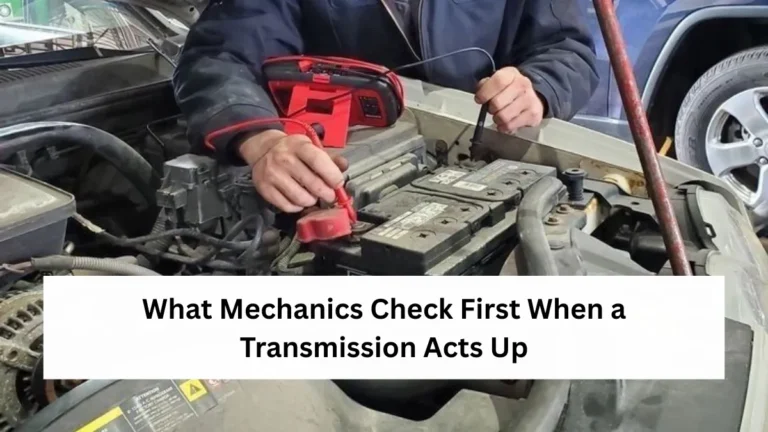

For many car owners in the United States, transmission trouble is one of the most stressful vehicle problems to face. The transmission is complex, expensive to repair, and essential to how your car drives every day. When something feels off, like delayed shifting, slipping gears, or strange noises, it is easy to panic and make rushed decisions.
Unfortunately, rushed decisions are where many of the biggest transmission repair mistakes begin. Well-meaning drivers often spend more money than necessary, approve the wrong repair, or unintentionally make the damage worse. These mistakes are not usually caused by carelessness. They happen because transmission systems are poorly understood, warning signs are ignored, or advice is taken from the wrong source.
This article explains the most common transmission repair mistakes car owners make, why they happen, and how to avoid them. The goal is to help everyday drivers make calmer, smarter choices that protect both their vehicle and their wallet.
Why Transmission Repair Mistakes Happen
Lack of Understanding About How Transmissions Work
Most drivers never need to understand how a transmission works until something goes wrong. Unlike brakes or tires, transmission problems often start quietly and worsen over time. Because the system is hidden and complicated, many people rely entirely on outside opinions without knowing what questions to ask.
This lack of understanding makes it easier to misjudge the seriousness of a problem or accept an expensive repair without fully understanding the reason behind it.
Ignoring Early Warning Signs
Transmission issues rarely appear suddenly. In most cases, the car gives subtle warnings weeks or even months before a major failure. These early signs are easy to dismiss as minor inconveniences, especially if the car still drives.
When these warnings are ignored, small and affordable fixes often turn into major repairs.
Relying on Guesswork Instead of Diagnosis
Many transmission problems feel similar from the driver’s seat. Rough shifting, hesitation, or shaking can have very different causes. Without proper inspection, it is easy to assume the worst or repair the wrong component.
Guessing instead of diagnosing is one of the fastest ways to waste money on transmission repairs.
Mistake One: Waiting Too Long to Address the Problem
Why This Mistake Happens
Many drivers delay dealing with transmission issues because the car still runs. Life gets busy, repair costs feel intimidating, and the problem seems manageable for now. Some people hope the issue will resolve itself, especially if it comes and goes.
Unfortunately, transmissions rarely fix themselves. Internal wear continues every time the car is driven.
How to Fix the Problem Step by Step
The first step is to pay attention to changes in how your vehicle drives. If shifting feels different, even slightly, take note of when it happens and under what conditions. The next step is to check the transmission fluid if your vehicle allows it. Low or dark fluid can be an early sign of trouble.
After noticing a change, schedule an inspection sooner rather than later. Even a basic diagnostic check can reveal whether the issue is minor or serious. Addressing problems early often limits damage and reduces repair time.
Realistic Example
A commuter in Ohio noticed their car hesitated when shifting into second gear during cold mornings. They ignored it for months because it went away once the car warmed up. By the time they sought help, internal clutch damage had already occurred, turning a fluid-related issue into a full rebuild.
Mistake Two: Assuming the Transmission Needs to Be Replaced
Why This Mistake Happens
Transmission replacements have a reputation for being expensive, and many drivers assume that any serious symptom means total failure. Some repair shops may also present replacement as the first option, especially if the diagnosis is rushed.
In reality, many transmission problems are caused by sensors, solenoids, fluid issues, or software-related concerns.
How to Fix the Problem Step by Step
When a repair shop suggests replacement, ask what specific tests were performed. A proper diagnosis should include a scan for error codes, a fluid inspection, and a road test. Understanding which part has failed helps determine whether repair is possible.
If the explanation feels vague, seek a second opinion. Another technician may identify a smaller issue that does not require a full replacement.
Realistic Example
A driver in Arizona was told their transmission needed replacement due to hard shifting. A second inspection revealed a faulty shift solenoid. The repair restored normal driving for a fraction of the original estimate.
Mistake Three: Skipping Regular Transmission Maintenance
Why This Mistake Happens
Transmission maintenance is often overlooked because it does not provide immediate, visible benefits. Some vehicles also advertise “lifetime” transmission fluid, which can be misleading. Drivers may assume no maintenance is required at all.
Over time, fluid breaks down and loses its ability to protect internal components.
How to Fix the Problem Step by Step
Start by checking your owner’s manual for recommended service intervals. Even sealed transmissions benefit from periodic inspections. If the fluid looks dark or smells burnt, it may need attention regardless of mileage.
Schedule maintenance before symptoms appear. Preventive care helps maintain smooth shifting and reduces internal wear.
Realistic Example
A rideshare driver in California followed regular oil change schedules but ignored transmission service. After years of heavy use, the fluid degraded, leading to overheating and internal damage that could have been avoided with routine maintenance.
Mistake Four: Using the Wrong Transmission Fluid
Why This Mistake Happens
Transmission fluid types vary widely between vehicles. Using the wrong fluid can cause improper lubrication, overheating, and shifting problems. Many drivers assume all fluids are similar or rely on generic options without verifying compatibility.
This mistake often happens during do-it-yourself maintenance or at shops that do not specialize in transmissions.
How to Fix the Problem Step by Step
Always confirm the correct fluid type using your owner’s manual or manufacturer specifications. When adding or replacing fluid, double-check the container label before use.
If unsure, ask a professional to verify compatibility. Correct fluid selection plays a critical role in transmission performance and longevity.
Realistic Example
A vehicle owner in Texas topped off their transmission with a universal fluid. Within weeks, the transmission began slipping due to improper friction characteristics, requiring a costly correction.
Mistake Five: Ignoring Software and Electrical Issues
Why This Mistake Happens
Modern transmissions rely heavily on electronics. Sensors, control modules, and software updates affect how the transmission shifts. Many drivers assume problems are mechanical when they are actually electrical.
Without proper scanning tools, these issues are often overlooked.
How to Fix the Problem Step by Step
When experiencing shifting issues, request a full electronic diagnostic scan. Error codes can reveal sensor malfunctions or outdated software. Updating or recalibrating the system can sometimes restore normal operation.
Addressing electronic issues early prevents unnecessary mechanical repairs.
Realistic Example
A sedan owner in New York experienced erratic shifting after a battery replacement. A software reset corrected the issue without any mechanical work.
Mistake Six: Choosing a Repair Shop Without Research
Why This Mistake Happens
When a car breaks down, convenience often outweighs research. Drivers may choose the nearest shop or the first available appointment. Transmission repairs require specialized knowledge, and not all shops have equal expertise.
Poor workmanship or misdiagnosis can worsen the problem.
How to Fix the Problem Step by Step
Before authorizing major work, research local repair shops. Look for consistent reviews that mention transmission experience. Ask how often they work on transmission systems and what diagnostic steps they take.
Clear communication and transparency are signs of a trustworthy shop.
Realistic Example
A family in Florida approved a repair at a general auto shop. The issue persisted due to incorrect adjustment, leading to additional costs that could have been avoided at a transmission-focused facility.
Helpful Tips and Common Errors to Avoid
Many transmission repair mistakes stem from acting too quickly or not acting at all. Staying informed, asking questions, and paying attention to early signs can make a significant difference. Avoid relying on assumptions or online guesses when dealing with complex vehicle systems.
Conclusion: Making Smarter Transmission Repair Decisions
Transmission repair mistakes are common, but they are also avoidable. Most errors happen because drivers feel overwhelmed or unsure when problems arise. By understanding why these mistakes occur and how to respond calmly, car owners can protect their vehicles and reduce unnecessary stress.
Paying attention to early warning signs, seeking proper diagnosis, and choosing qualified professionals make a meaningful difference. Transmission care is not about fear or guesswork. It is about informed decisions made at the right time.
FAQ’s
How do I know if my transmission problem is serious?
Severity depends on symptoms and how long they have been present. Early signs like mild slipping or delayed shifting may indicate minor issues. Sudden loss of movement or loud grinding noises suggest more advanced damage and should be inspected immediately.
Is it safe to drive with a transmission issue?
Driving with a known transmission problem can worsen internal damage. Short trips to a repair facility may be acceptable, but continued daily driving increases risk and repair costs.
Can a transmission problem fix itself?
Transmission problems do not resolve on their own. Temporary improvements often mask underlying issues that continue to progress over time.
How long does a transmission repair usually take?
Repair time varies based on the issue. Minor repairs may take a day, while more involved work can take several days. Diagnosis time is also an important factor.
✨ You May Also Like ✨