Many drivers in the United States rely on their cars every day without thinking much about the transmission. As long as the vehicle moves forward and shifts gears, it feels like everything is fine. The problem is that transmission trouble often starts quietly. A small delay when shifting, a faint burning smell, or a slight vibration can seem harmless at first.
What many people do not realize is that the transmission is one of the most complex and stressed systems in a vehicle. When a minor issue goes unchecked, it can slowly grow into a situation where the car no longer moves at all. This article explains how a small transmission issue can turn into a full breakdown, why it happens, and what everyday drivers can do to prevent it through awareness and timely action.
Understanding the Transmission in Simple Terms
The transmission is the system that transfers power from the engine to the wheels. It controls speed and torque so the vehicle can start from a stop, accelerate smoothly, and maintain highway speeds. In automatic vehicles, it relies on fluid pressure, sensors, and internal components to shift gears at the right time. In manual vehicles, it depends more on mechanical parts and driver input, but the risk of damage still exists.
Because so many parts work together inside a sealed case, even a small problem can affect the entire system. Heat, friction, and fluid condition all play major roles. When something begins to fail, the damage often spreads before the driver notices clear symptoms.
Why Small Transmission Problems Happen
Wear and Tear Over Time
Transmission components are constantly moving under high pressure and heat. Over thousands of miles, seals harden, clutches wear down, and fluid breaks down. This process happens slowly, which is why early signs are often subtle and easy to dismiss.
For example, a commuter driving daily in stop-and-go traffic in Los Angeles or New York puts extra strain on the transmission. Frequent shifting and heat buildup accelerate wear, even if the vehicle is well maintained.
Low or Degraded Transmission Fluid
Transmission fluid lubricates moving parts, controls temperature, and helps transfer power. When fluid levels drop due to a small leak, or when the fluid becomes dirty and loses its protective qualities, internal components begin to grind against each other.
A minor fluid leak may only leave a small spot on the driveway. Over time, that small loss can lead to overheating and internal damage that is far more serious than the original leak.
Ignored Warning Signs
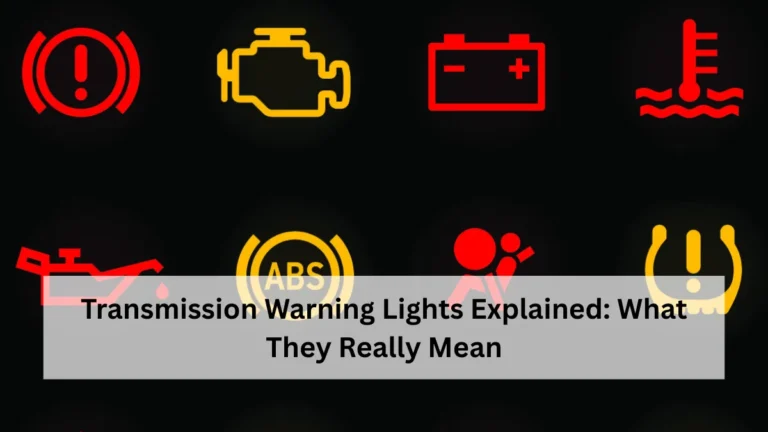
Modern vehicles often provide early warnings such as delayed gear engagement, slipping, or warning lights. Drivers may continue driving because the car still moves and the issue does not seem urgent. This delay allows the underlying problem to worsen.
In many cases, what starts as a sensor or solenoid issue can lead to improper shifting, which then causes excessive wear on clutches and gears.
Overheating from Driving Conditions
Towing heavy loads, driving in mountainous areas, or spending long periods in traffic during hot summers can cause transmission temperatures to rise. Excessive heat breaks down fluid faster and weakens internal parts.
A driver in Arizona during summer months, for example, may experience faster fluid degradation than someone driving in cooler climates if maintenance intervals are stretched.
How a Small Issue Turns Into a Breakdown
Early Stage: Minor Symptoms Appear
At the beginning, the transmission may hesitate slightly when shifting or feel less smooth than usual. These symptoms often come and go, making them easy to ignore. The vehicle still drives, and there is no immediate inconvenience.
Internally, however, fluid may already be losing its ability to protect components, or a small part may be wearing unevenly.
Middle Stage: Damage Begins to Spread
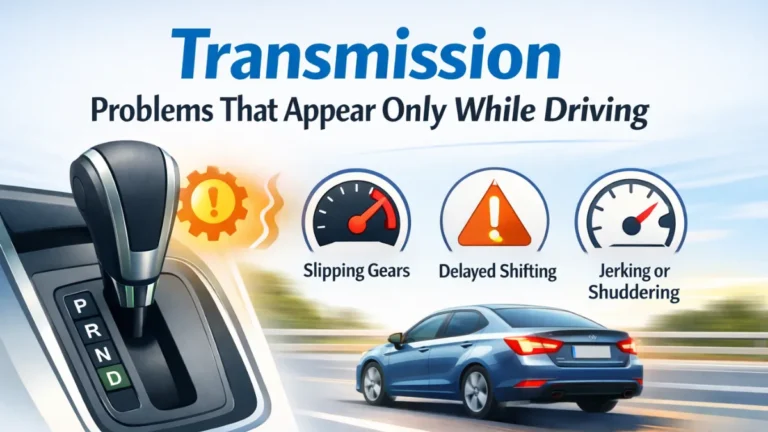
As the issue continues, the transmission may start slipping between gears or shifting at unusual times. Heat builds up because parts are no longer working efficiently. This heat causes further fluid breakdown, creating a cycle of increasing damage.
At this stage, the problem often becomes more noticeable, but the vehicle may still be drivable. Many drivers choose to wait, hoping the issue will resolve itself or stay manageable.
Late Stage: Loss of Function
Eventually, the transmission may fail to engage gears at all. The vehicle may refuse to move forward or backward, or it may suddenly stop working while driving. At this point, internal damage is usually extensive.
What could have been a manageable repair early on may now require major work or complete replacement. The breakdown often happens at the most inconvenient time, such as during a commute or road trip.
Step-by-Step Approach to Preventing Transmission Breakdown
Step One: Pay Attention to Changes
The first step is simply awareness. Drivers should notice how their vehicle normally feels and responds. Any consistent change in shifting behavior, sound, or smell deserves attention.
If the car begins to hesitate when shifting from park to drive, or if it feels rough during gear changes, this is often an early sign of a developing issue.
Step Two: Check for Visible Signs
Looking under the vehicle occasionally can reveal fluid leaks early. Transmission fluid is usually red or dark brown and has a distinct smell. Even a small leak should not be ignored.
Drivers can also check the fluid level and condition if the vehicle allows it. Clean fluid is usually red and clear, while dark or burnt-smelling fluid suggests trouble.
Step Three: Address Overheating Risks
Understanding driving habits helps reduce strain on the transmission. Avoiding sudden acceleration, allowing the vehicle to warm up briefly in cold weather, and using appropriate gears when towing can all reduce stress.
In hot climates or heavy-use situations, more frequent fluid checks can help catch issues before they escalate.
Step Four: Seek Early Inspection
When symptoms appear, having the vehicle inspected sooner rather than later can prevent further damage. An experienced technician can identify whether the issue is related to fluid, sensors, or internal components.
Early inspections often focus on identifying the root cause rather than reacting to complete failure.
Step Five: Follow Through with Maintenance
If maintenance or minor repairs are recommended, following through promptly is critical. Delaying service often leads to additional wear and higher risk of breakdown.
Routine maintenance, such as fluid service at appropriate intervals, helps keep internal components protected and functioning properly.
Common Mistakes That Make Transmission Problems Worse
One common mistake is assuming that a warning light or odd behavior will simply go away. Vehicles rarely fix themselves, especially when it comes to mechanical systems under constant stress.
Another mistake is using the wrong type of transmission fluid. Modern vehicles often require specific fluid formulations. Using an incorrect fluid can cause improper shifting and damage over time.
Ignoring driving conditions is another issue. Drivers who frequently tow or drive in severe conditions may follow standard maintenance intervals that are not suitable for their usage, increasing the risk of early failure.
Finally, relying solely on temporary fixes or additives without understanding the underlying problem can mask symptoms while allowing damage to continue.
Realistic USA-Based Driving Scenarios
Consider a delivery driver in Chicago who makes frequent stops throughout the day. The transmission shifts constantly, generating heat and wear. A small delay in shifting might seem normal given the workload, but it could indicate fluid breakdown. Ignoring it may lead to a sudden failure during a delivery route.
Another example is a family taking long road trips across states like Texas or California. Extended highway driving combined with summer heat can stress the transmission. If fluid levels are already low due to a small leak, the risk of breakdown increases significantly.
These situations show how everyday driving patterns can amplify small issues if they are not addressed early.
Conclusion: Small Attention Makes a Big Difference
A transmission breakdown rarely happens overnight. It is usually the result of a small issue that grows worse through heat, wear, and neglect. By understanding how the transmission works and recognizing early warning signs, drivers can take simple steps to prevent major problems.
Paying attention to changes, addressing leaks or symptoms promptly, and adjusting driving habits when needed can make a meaningful difference. For everyday drivers across the United States, this awareness helps keep vehicles reliable and reduces the risk of being stranded by a preventable breakdown.
FAQ’s
Can a transmission really fail without warning?
In most cases, there are warning signs before a complete failure. These signs may be subtle at first, such as delayed shifting or unusual noises. Drivers who notice and respond early often avoid sudden breakdowns.
Is it safe to keep driving with minor transmission symptoms?
Driving with minor symptoms may seem fine in the short term, but it increases the risk of further damage. Continued use under these conditions often turns a small issue into a larger one.
How often should transmission fluid be checked?
The ideal interval depends on the vehicle and driving conditions. Checking periodically and following manufacturer recommendations helps ensure fluid remains clean and at proper levels.
Does city driving affect the transmission more than highway driving?
City driving typically involves more frequent shifting and stop-and-go traffic, which can increase wear and heat. This makes early attention to symptoms especially important for urban drivers.
✨ You May Also Like ✨