
Many car owners in the United States expect their vehicles to last well over 200,000 miles, yet transmission problems often cut that lifespan short. Unlike brake pads or tires, transmission issues usually appear suddenly and can be expensive to fix. For everyday drivers, this creates stress, unexpected downtime, and repair bills that feel avoidable in hindsight.
The good news is that most transmission problems develop slowly. With basic care and a better understanding of how transmissions wear out, drivers can reduce long-term damage and keep their cars running smoothly for decades rather than years.
Why Transmission Problems Happen
A transmission’s job is to transfer engine power to the wheels at the right speed and torque. To do this, it relies on fluid pressure, heat control, and precise mechanical movement. Over time, heat, friction, and contaminated fluid begin to break down internal components.
In many cases, the damage is not caused by one major event. It happens gradually due to skipped maintenance, aggressive driving habits, overheating, or driving with low or degraded transmission fluid. Automatic transmissions are especially sensitive to fluid condition, while manual transmissions can suffer from clutch misuse and improper shifting.
Understanding these causes helps explain why small habits and routine checks matter so much in the long run.
Understanding Your Transmission Type
Automatic Transmissions in Everyday Driving
Most vehicles on U.S. roads use automatic transmissions. These systems depend heavily on transmission fluid to cool, lubricate, and create hydraulic pressure. When fluid breaks down or drops too low, internal parts begin to slip and overheat. This is often the starting point of long-term damage.
Automatic transmissions also respond strongly to driving style. Frequent hard acceleration, towing without proper cooling, or constant stop-and-go traffic in hot weather all increase heat buildup inside the system.
Manual Transmissions and Driver Input
Manual transmissions are generally simpler and can last a very long time when driven carefully. However, they rely more on driver behavior. Riding the clutch, resting a foot on the pedal, or forcing gear changes places unnecessary strain on internal components.
Even though manual transmissions may feel more durable, they still require fluid changes and proper use to reach their full lifespan.
Step-by-Step Transmission Care That Works Over Time
Checking Transmission Fluid the Right Way
One of the most effective habits a driver can develop is regularly checking transmission fluid, when the vehicle design allows it. Many older automatic vehicles have a transmission dipstick, while newer models may require a professional check.
When checking fluid, the engine should usually be warm and running, with the vehicle on level ground. The fluid should appear clean and reddish in color, not dark brown or burnt-smelling. If the level is low or the color looks off, it is an early warning sign rather than an emergency.
Catching fluid issues early helps prevent internal wear that often goes unnoticed until shifting problems appear.
Knowing When to Change Transmission Fluid
Transmission fluid does not last forever. Over time, heat breaks down its protective properties, even if the vehicle seems to drive normally. Many drivers assume fluid only needs changing when problems appear, but by then damage may already be underway.
For most daily-driven vehicles in the U.S., fluid changes are recommended somewhere between 30,000 and 60,000 miles, depending on driving conditions and manufacturer guidance. Vehicles used for city commuting, long highway trips, or occasional towing may need more frequent service.
Regular fluid changes remove debris and help maintain proper pressure inside the transmission, which directly affects shifting quality and longevity.
Allowing the Transmission to Warm Up
Cold starts place extra stress on transmission components, especially in colder regions of the United States. Transmission fluid thickens in low temperatures and does not circulate as efficiently during the first few minutes of driving.
Letting the vehicle idle briefly before driving and avoiding sudden acceleration right after starting allows the fluid to warm and flow properly. This small habit reduces wear during the most vulnerable phase of operation.
Driving Smoothly to Reduce Internal Stress
Aggressive driving creates rapid heat spikes inside the transmission. Sudden acceleration, hard braking, and rapid gear changes force internal components to work harder than necessary.
Smooth acceleration, steady cruising, and gradual stops reduce stress on gears and clutches. Over thousands of miles, this approach significantly slows internal wear, even if the driver never notices a difference in daily performance.
Using the Correct Gear When Needed
Modern vehicles often include drive modes or manual shift options. Using these features appropriately can protect the transmission. For example, selecting a lower gear when driving down long hills helps prevent overheating caused by constant braking and unnecessary gear changes.
When towing or carrying heavy loads, using tow or haul modes, if available, helps manage heat and shift timing. These modes are designed to protect the transmission under extra strain.
Avoiding Overloading the Vehicle
Every vehicle has a maximum weight rating, including passengers and cargo. Exceeding this limit forces the transmission to work harder to move the vehicle, especially during acceleration and uphill driving.
Repeated overloading, even if it feels manageable at the time, contributes to early wear. Staying within recommended limits helps preserve both engine and transmission health over the long term.
Heat Management and Its Role in Longevity
Heat is one of the main enemies of transmission longevity. High temperatures break down fluid and damage seals, leading to leaks and pressure loss. Many transmission failures trace back to prolonged overheating rather than mechanical defects.
In hot climates or heavy-use situations, additional cooling systems may already be installed from the factory. Keeping these components clean and functional ensures proper heat dissipation. Even simple maintenance, such as clearing debris from cooling areas, plays a role in long-term protection.
Warning Signs That Should Not Be Ignored
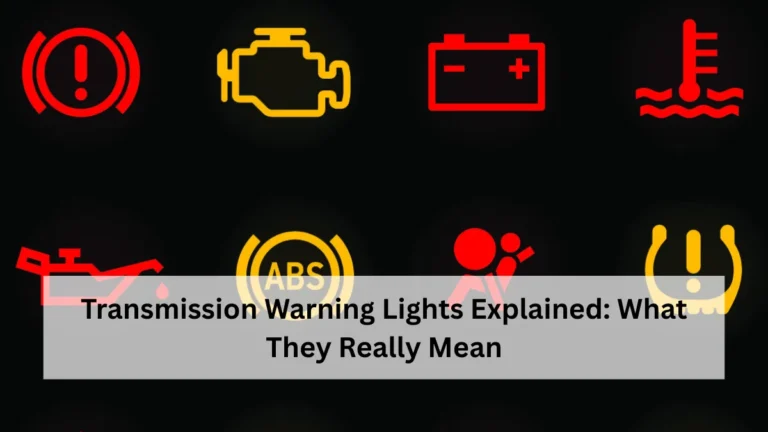
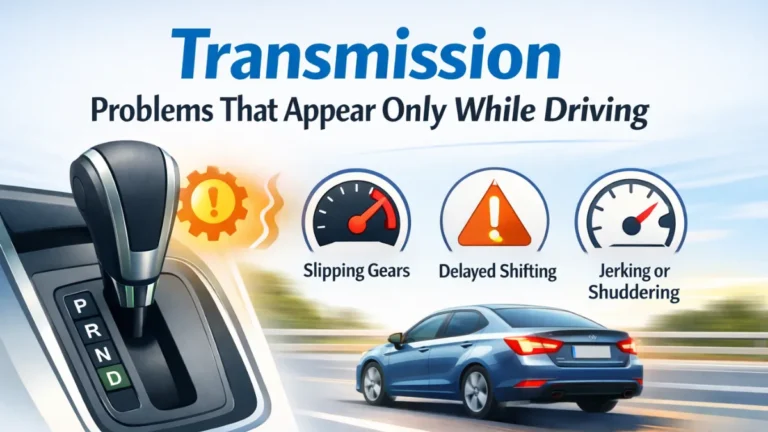
Transmission problems often give early signals before serious damage occurs. Delayed shifting, slipping between gears, unusual noises, or warning lights are all indicators that something needs attention.
Addressing these signs early usually involves minor adjustments or maintenance rather than major repairs. Ignoring them, on the other hand, allows small issues to turn into expensive failures.
Listening to how a vehicle feels and responds is an underrated but valuable form of preventative care.
Common Transmission Care Mistakes to Avoid
Many drivers unintentionally shorten transmission life by following common myths. One example is assuming lifetime fluid never needs replacement. In real-world driving conditions, fluid still degrades over time.
Another mistake is shifting from drive to reverse before the vehicle comes to a complete stop. This places sudden stress on internal components and can lead to premature wear.
Using the wrong type of transmission fluid is also a frequent issue. Different vehicles require specific fluid formulations, and using the wrong one can cause shifting problems and long-term damage.
Realistic Examples From Everyday U.S. Driving
Consider a commuter driving daily in a busy city like Chicago or Los Angeles. Constant stop-and-go traffic generates heat and frequent shifting. Regular fluid checks and smooth driving habits make a noticeable difference over years of use.
For a retired driver in a suburban area who takes short trips, allowing the vehicle to warm up properly and avoiding hard acceleration helps counteract wear caused by frequent cold starts.
In rural areas, where vehicles may tow trailers or equipment, using proper drive modes and staying within weight limits significantly reduces transmission stress.
These everyday situations show that transmission care is not about perfection but about awareness and consistency.
FAQ’s
How long can a transmission realistically last with proper care?
With regular maintenance and careful driving, many transmissions last 200,000 miles or more. Longevity depends on driving conditions, maintenance habits, and vehicle design rather than luck alone.
Is transmission fluid replacement really necessary if the car shifts fine?
Yes, because fluid can degrade internally before noticeable symptoms appear. Replacing fluid early helps prevent hidden wear that may only show up later.
Can short trips damage the transmission?
Short trips can increase wear because the transmission does not fully warm up. Gentle driving and allowing brief warm-up time help reduce this effect.
Does highway driving help transmission life?
Steady highway driving usually places less strain on a transmission than stop-and-go traffic. However, proper fluid condition and cooling are still essential.
✨ You May Also Like ✨