Transmission problems can be stressful. A car that slips between gears, hesitates at stoplights, or makes unfamiliar noises quickly becomes a source of worry for drivers. For many people in the United States, a vehicle is not a luxury but a daily necessity for work, family, and basic errands. When something feels wrong with the transmission, the temptation is often to guess the cause, rely on online opinions, or approve the quickest fix offered.
This is where many problems begin. Guesswork in transmission repair often leads to incorrect fixes, repeated breakdowns, and unnecessary expenses. Experience, on the other hand, brings understanding. It allows problems to be identified accurately and addressed the right way the first time. This article explains why experience matters more than guessing when it comes to transmission repair, how common mistakes happen, and what everyday car owners can do to make informed decisions.
Understanding the Problem: Why Transmission Issues Are Often Misdiagnosed
Transmission systems are complex. Modern vehicles use a mix of mechanical parts, electronics, sensors, and computer controls to manage how power moves from the engine to the wheels. A single symptom can have several possible causes, and many of those causes look similar on the surface.
A driver might notice rough shifting and assume the transmission is failing. In reality, the issue could be low fluid, a worn sensor, or even an engine-related problem. Without experience, it is easy to confuse symptoms with causes. Guessing leads to replacing parts that are not broken, while the real issue continues underneath.
Inexperienced diagnosis also tends to focus on what is easiest to see or most commonly discussed online. This creates a cycle where the same incorrect repairs are repeated, costing time and money while confidence in the vehicle declines.
Why Transmission Problems Happen in the First Place
Transmission issues rarely appear without warning. They usually develop over time due to a combination of wear, heat, fluid condition, and driving habits. Understanding why problems happen helps explain why experience is so important.
Heat is one of the biggest factors. Transmissions operate under high temperatures, especially in stop-and-go traffic or when towing. Over time, heat breaks down transmission fluid, reducing its ability to lubricate and cool internal components. Once fluid quality drops, friction increases, and parts wear faster.
Normal wear also plays a role. Clutches, bands, and seals are designed to last many years, but they do not last forever. As vehicles age, small changes in performance can signal early wear. An experienced eye can recognize these signs before they turn into major failures.
Electronic components add another layer of complexity. Sensors and control modules guide shifting behavior. When one of these parts sends incorrect data, the transmission may behave unpredictably even though the mechanical parts are still in good condition.
Guesswork vs Experience: What Really Makes the Difference
Guesswork relies on assumptions. Experience relies on patterns. Someone with years of hands-on exposure has seen the same symptoms appear in different vehicles for different reasons. This history allows them to narrow down possibilities instead of jumping to conclusions.
For example, delayed shifting in a high-mileage sedan might suggest internal wear to an inexperienced person. Someone with experience may recognize that the same symptom often appears when fluid levels are slightly low due to a slow leak. Addressing the real cause early can prevent further damage.
Experience also teaches restraint. Not every transmission problem requires major repair. Sometimes the correct solution is simple, but identifying that solution requires confidence built over time. Guesswork tends to escalate problems instead of solving them.
Step One: Listening to the Symptoms Carefully
The first step in addressing a transmission issue is careful observation. Experienced professionals know that the details matter. When a problem occurs, under what conditions it appears is just as important as the symptom itself.
A vehicle that slips only when cold tells a different story than one that slips after long highway drives. A noise during shifting points to a different cause than a vibration at steady speed. Guesswork often ignores these details, while experience depends on them.
For car owners, paying attention to these patterns helps communicate the issue clearly. Clear descriptions allow experienced diagnosis to begin with accurate information rather than assumptions.
Step Two: Checking the Basics Before Jumping Ahead
Experience teaches that many transmission problems start with basic issues. Fluid level, fluid condition, and visible leaks are often the foundation of diagnosis. Guesswork skips these steps and moves directly to worst-case scenarios.
Transmission fluid should be clean and at the proper level. Dark or burnt-smelling fluid often indicates overheating or internal wear. However, even this observation requires interpretation. Experienced judgment distinguishes between fluid that needs maintenance and fluid that signals deeper issues.
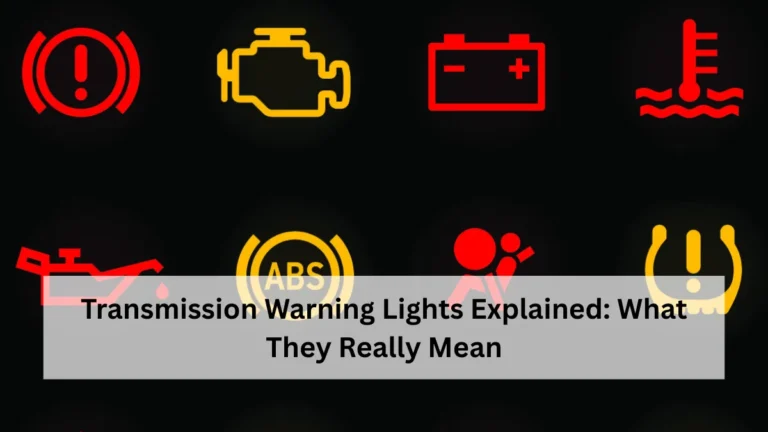
Basic checks also include reviewing warning lights and fault codes. Modern vehicles store data that helps narrow down problems. Guessing ignores this information, while experience knows how to use it properly without overreacting to incomplete data.
Step Three: Interpreting Signs Instead of Replacing Parts
Replacing parts without understanding the cause is one of the most common mistakes in transmission repair. A sensor code does not always mean the sensor is bad. It may be reacting to another issue entirely.
Experience helps connect the dots. A shifting issue paired with a specific code may point to wiring problems rather than component failure. Fixing the underlying cause prevents repeat issues and restores proper operation.
This step requires patience and knowledge. Guesswork rushes toward action. Experience pauses to confirm.
Step Four: Choosing the Correct Repair Approach
Once the cause is identified, experience guides the repair approach. Not every problem needs an overhaul. Some issues can be addressed with adjustments, fluid service, or minor component replacement.
An experienced approach considers the vehicle’s age, mileage, and usage. A high-mileage commuter car may benefit from a different solution than a lightly used family vehicle. Guesswork treats all problems the same, while experience adapts solutions to real-world conditions.
Real-Life Example: A Common USA Driving Scenario
Consider a mid-sized SUV used for daily commuting and weekend trips. The owner notices occasional hard shifts during city driving. Online searches suggest serious transmission failure, causing unnecessary worry.
An experienced evaluation might reveal fluid breakdown from frequent stop-and-go traffic. A proper service restores smooth shifting and prevents future damage. Guesswork would have led to costly repairs that were never needed.
This scenario is common across the United States, especially in urban areas where traffic conditions are demanding. Experience helps separate serious problems from manageable ones.
Common Mistakes People Make Without Experience
One frequent mistake is ignoring early signs. Small changes in shifting behavior often signal developing issues. Guesswork dismisses these signs until the problem becomes severe.
Another mistake is relying on incomplete information. Online advice can be helpful, but it often lacks context. What worked for one vehicle may not apply to another. Experience accounts for differences in design, usage, and history.
Overcorrecting is also common. Replacing multiple parts at once without clear diagnosis can introduce new problems. Experience favors precision over excess.
How Experience Builds Long-Term Reliability
Transmission reliability is not just about fixing problems when they appear. It is about understanding how to prevent them. Experienced care includes recognizing service intervals, driving habits that increase wear, and early maintenance needs.
Vehicles maintained with experienced insight tend to last longer and perform more consistently. This does not mean perfection, but it does mean fewer surprises. Guesswork creates uncertainty, while experience creates stability.
Practical Tips for Everyday Car Owners
Car owners do not need to be experts to benefit from experience-based thinking. Paying attention to how a vehicle behaves, keeping maintenance records, and asking informed questions all support better outcomes.
Avoid rushing decisions when a transmission issue arises. Taking time to understand the problem leads to better results than reacting out of fear. Experience thrives on thoughtful observation.
FAQ’s
Why do transmission problems seem so expensive?
Transmission systems are complex and labor-intensive to work on. Costs often reflect the time and precision required. Accurate diagnosis helps avoid unnecessary expenses by targeting the real issue.
Can small transmission problems fix themselves?
Most transmission issues do not resolve on their own. Some may appear to improve temporarily, but underlying causes usually remain. Early attention guided by experience can prevent worsening damage.
Is it safe to keep driving with mild transmission symptoms?
Driving with mild symptoms may be possible for a short time, but it carries risk. Changes in performance often indicate developing issues. Addressing them early is generally safer than waiting.
How can I describe transmission issues clearly?
Noting when the problem occurs, how often it happens, and under what conditions it appears helps greatly. Clear descriptions support accurate evaluation and reduce guesswork.
✨ You May Also Like ✨